In a landmark consumer rights ruling, a Chandigarh consumer court has ordered Punjab National Bank (PNB) to pay ₹1 crore to a woman after her bank locker was allegedly illegally closed and its contents went missing.
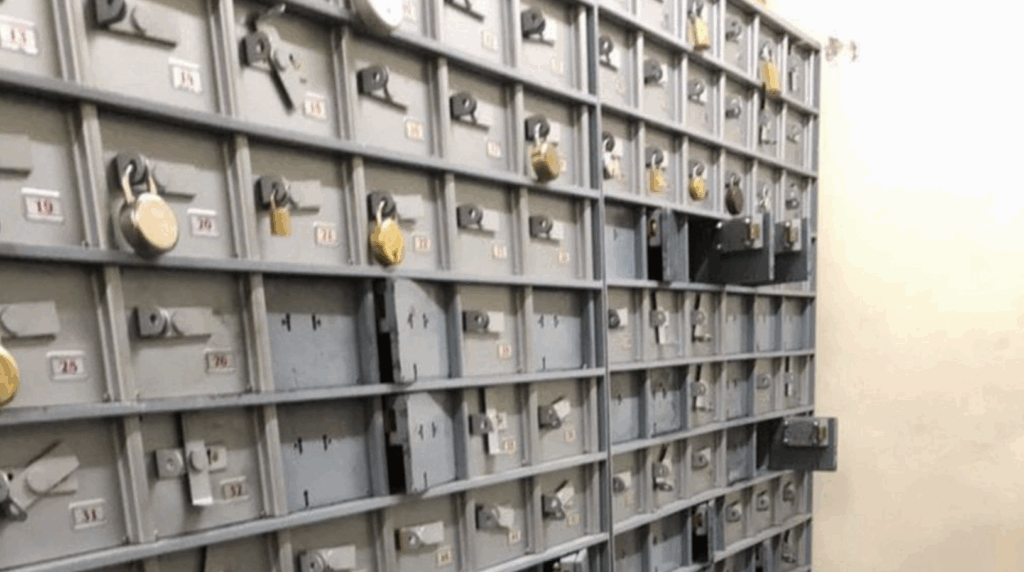
What Exactly Happened?
The case was filed by Bela Prasad, a resident of Chandigarh, who had been maintaining a bank account and locker with PNB since 2004.
She claimed that:
- She stored gold and diamond jewellery worth ~₹1.5 crore in her locker
- When she visited the bank in 2020, she was denied access
- Bank officials informed her that the locker had already been closed and reassigned to another customer
Shockingly, she asserted that she had never requested or authorised the closure and still possessed the locker key.
Bank’s Defense vs Reality
PNB argued that:
- The locker had been surrendered years earlier (2013)
- It was later broken open in 2019 due to inactivity and non-payment of rent
However, the bank failed to provide:
- Proof of prior notice to the customer
- Proper documentation of locker contents
- Evidence of inventory handling in the customer’s presence
Consumer Court’s Strong Observation
The District Consumer Disputes Redressal Commission, Chandigarh ruled that the bank was guilty of deficiency in service and negligence.
Key observations included:
- Banks have a higher duty of care in locker operations
- Internal records alone are not enough proof of compliance
- Lack of documentation creates an “adverse inference” against the bank
The court concluded that mandatory safeguards were not followed.
₹1 Crore Compensation Ordered
The commission directed PNB to pay:
- ₹1 crore for loss of locker contents
- ₹1 lakh for mental agony and litigation costs
This is being seen as one of the largest compensations awarded in a bank locker dispute in India.
Why This Case Matters
This ruling sets a powerful precedent for banking customers:
- Banks are fully accountable for locker safety
- Proper procedures like notice, inventory, and documentation are mandatory
- Consumers can seek strong legal remedies for negligence
It also highlights growing scrutiny on locker management practices in Indian banks.
Big Takeaway for Customers
Even though banks often claim lockers are “at customer risk,” this case reinforces:
👉 Negligence by banks can lead to massive liability
Maintaining records, locker agreements, and periodic checks is still crucial—but banks cannot escape responsibility.