India is preparing for a major shift in its automotive and energy landscape as the Centre explores making E100 fuel available at prices 15-20% lower than conventional petrol. The proposal comes ahead of the anticipated launch of flex-fuel vehicles in the country and is aimed at encouraging consumers to adopt cleaner and more sustainable fuel alternatives.
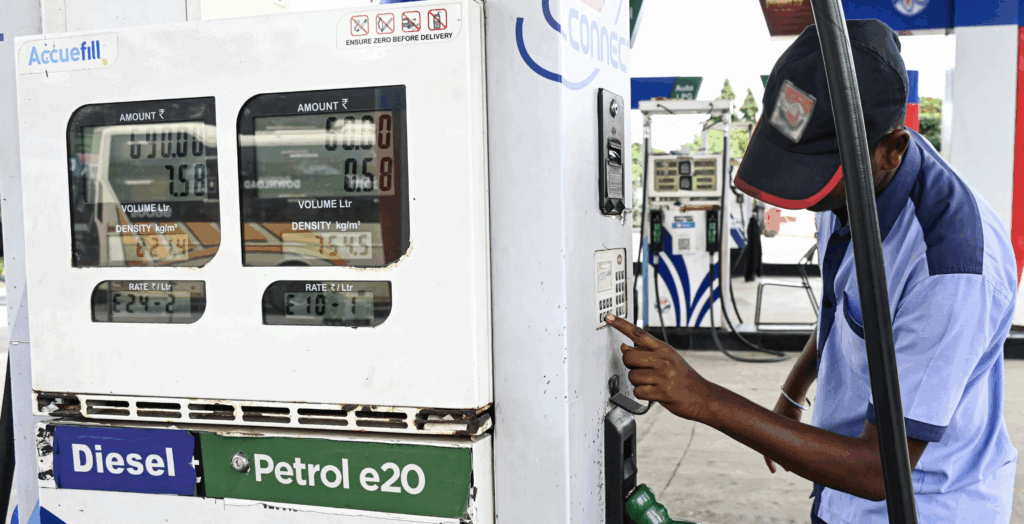
The move is part of India’s broader strategy to reduce dependence on imported crude oil, support domestic ethanol production, and lower carbon emissions from the transportation sector.
What Is E100 Fuel?
E100 refers to fuel made entirely from ethanol, unlike the E20 blend currently being rolled out across India, which contains 20% ethanol and 80% petrol. Ethanol is primarily produced from agricultural feedstocks such as sugarcane, maize, and other biomass sources.
Flex-fuel vehicles are specially designed engines capable of operating on varying ethanol-petrol blends, including pure ethanol. These vehicles have already gained popularity in countries such as Brazil, where ethanol-based transportation has become a major component of the fuel ecosystem.
Lower Prices Could Drive Adoption
According to reports, the government is evaluating a pricing mechanism that could make E100 fuel 15-20% cheaper than petrol. The objective is to create a strong financial incentive for consumers to choose ethanol-based fuels once flex-fuel vehicles become available in larger numbers.
Industry experts believe pricing will be one of the most important factors influencing consumer adoption. A meaningful cost advantage could help offset concerns related to vehicle availability and encourage motorists to switch from conventional fuels.
Reducing India’s Oil Import Dependence
India imports a significant portion of its crude oil requirements, making the economy vulnerable to global price fluctuations and geopolitical disruptions. By increasing the use of domestically produced ethanol, policymakers hope to reduce reliance on imported fossil fuels.
The strategy also aligns with the country’s long-term energy security goals. Higher ethanol consumption could help save foreign exchange, improve energy diversification, and strengthen resilience against global oil market volatility.
Benefits For Farmers And Rural Economy
The ethanol ecosystem also offers potential benefits for India’s agricultural sector. Increased demand for ethanol feedstocks could create additional income opportunities for farmers and support rural industries linked to biofuel production.
Government officials have repeatedly emphasized that the ethanol blending program is not only an energy initiative but also an economic development strategy aimed at strengthening rural livelihoods.
Flex-Fuel Vehicles Expected To Gain Momentum
Several automobile manufacturers have already showcased flex-fuel vehicle technologies for the Indian market. As supporting fuel infrastructure develops and pricing incentives become clearer, the segment is expected to gain momentum over the coming years.
Industry observers believe India’s transition toward alternative fuels will likely involve a combination of electric mobility, ethanol-based fuels, and other clean energy solutions rather than relying on a single technology pathway.
Summary
The Centre is considering pricing E100 ethanol fuel 15-20% lower than petrol as India prepares for the rollout of flex-fuel vehicles. The initiative aims to encourage adoption of cleaner fuels, reduce dependence on crude oil imports, support domestic ethanol production, and boost farmer incomes. Lower fuel costs could play a crucial role in accelerating India’s transition toward alternative transportation energy sources.