

SpaceX’s ambitious plan to recover both stages of its Starship rocket during Flight 15 suffered a setback after the Super Heavy booster was diverted to an offshore landing instead of being caught by the launch tower’s giant mechanical arms in Texas.
The upgraded Super Heavy V3 Booster 22 completed its launch and stage separation before encountering a problem during its return journey. An automatic abort redirected the booster towards the Gulf of Mexico, ending SpaceX’s first planned recovery attempt for this version of the rocket.
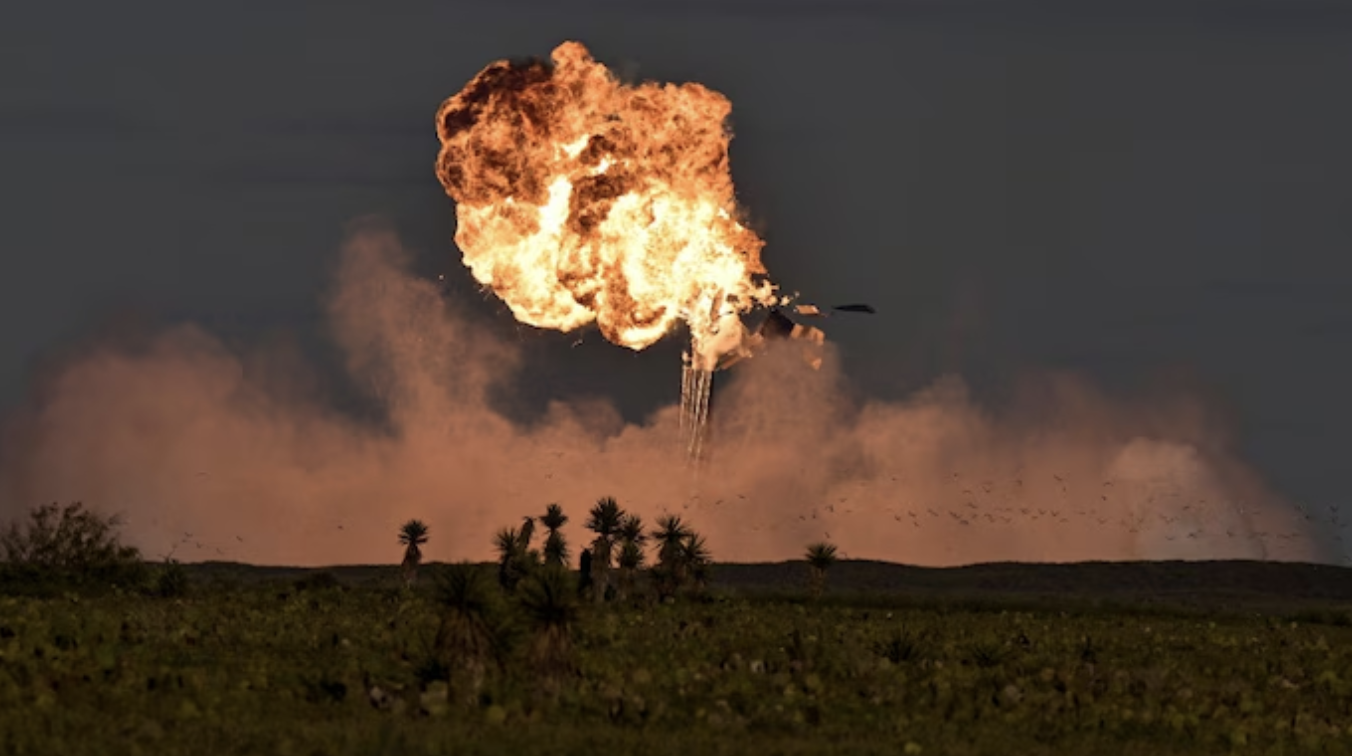
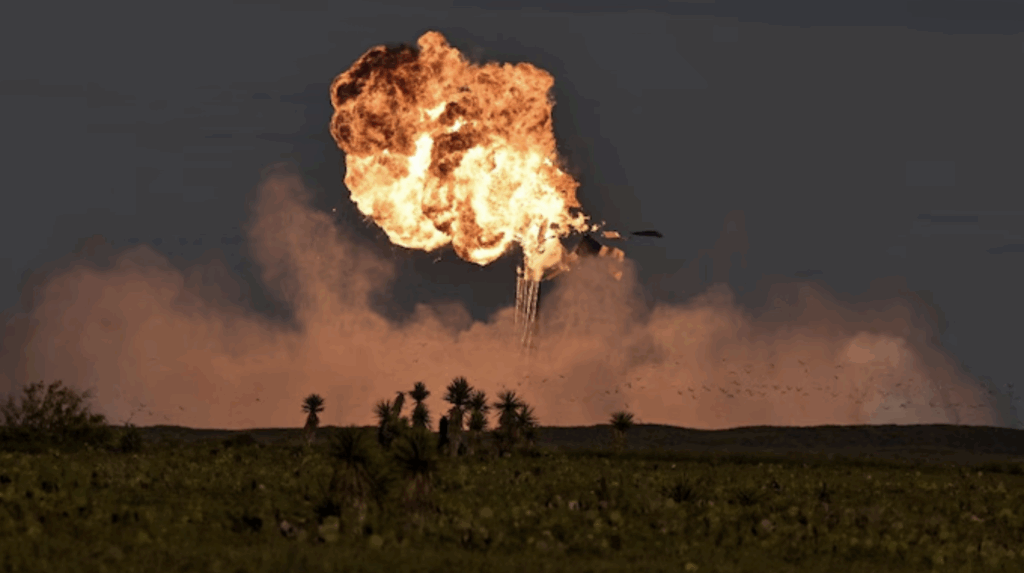
The booster reached the offshore landing area but subsequently exploded, preventing its recovery and reuse.
Why SpaceX Called Off the Booster Catch
Starship Flight 15 launched from SpaceX’s Starbase facility in South Texas on November 13, 2026. The mission was designed to demonstrate the recovery of both the Super Heavy booster and the Starship upper-stage spacecraft.
After lifting off, the two stages separated successfully. The upper-stage Ship continued towards orbit, while Super Heavy began manoeuvring back towards the launch site.
SpaceX had planned to catch the returning booster using two enormous mechanical arms attached to its launch tower. These arms, popularly known as Chopsticks, are designed to grab the rocket as it descends vertically.
However, a malfunction triggered an automatic abort. The booster was diverted to an offshore splashdown in the Gulf of Mexico rather than being brought back to the tower.
SpaceX has not yet publicly established the precise cause of the malfunction.
Starship Upper Stage Continues Its Mission
Although the booster recovery attempt failed, the upper-stage spacecraft continued its journey.
Ship 42 successfully completed its ascent and reached low Earth orbit at an altitude of approximately 275 kilometres. The spacecraft is carrying 26 next-generation Starlink V3 satellites, which are intended to be deployed during the mission.
The spacecraft is also scheduled to complete approximately 14 orbits of Earth during a flight lasting more than 22 hours.
SpaceX is still aiming to attempt the first-ever catch of a Starship upper stage using the mechanical arms at Starbase. The company will make the final decision based on the spacecraft’s condition and the results of its safety checks.
Why the Flight Is Important for SpaceX
Starship is central to Elon Musk’s plans for making space transportation more affordable through rocket reusability. The system consists of the Super Heavy first-stage booster and the Ship upper-stage spacecraft.
SpaceX has previously caught Super Heavy boosters on three occasions, with two of those boosters subsequently reused. However, the Flight 15 attempt involved the upgraded V3 version.
Recovering both stages would represent a major milestone in developing a fully reusable orbital launch system. It could eventually reduce launch costs and support missions involving Starlink, NASA’s lunar exploration programme and future Mars ambitions.
Summary
SpaceX’s Starship Flight 15 failed to achieve its planned Super Heavy booster catch after a malfunction triggered an automatic abort and diverted the rocket towards an offshore landing in the Gulf of Mexico. The booster subsequently exploded, but the upper-stage Ship reached orbit and continued its mission, with a historic spacecraft catch attempt still planned.