

Nearly two-thirds of Indian adolescents have vitamin B12 deficiency, according to a nationwide survey conducted by the Indian Council of Medical Research (ICMR) and the National Institute of Nutrition (NIN).
The findings highlight a widespread nutritional challenge affecting children, adolescents, adults and pregnant women across India.
Conducted between 2023 and 2025, the SAMPADA survey covered more than two lakh individuals from 81,000 households across 183 districts in 35 states and Union Territories.
Researchers analysed over 1.7 lakh blood samples for haemoglobin estimation, with a subset examined for micronutrient deficiencies.
Over 60% Of Indian Men And Pregnant Women Have Vitamin B12 Deficiency
The survey defined vitamin B12 deficiency as serum vitamin B12 levels below 203 picograms per millilitre.
The prevalence of vitamin B12 deficiency across different population groups was recorded as follows:
- Adolescent boys: 66.1%
- Adolescent girls: 65.4%
- Pregnant women: 63.1%
- Adult men aged 20-59: 60.4%
- Women of reproductive age: 57.4%
- Breastfeeding women: 51.8%
- Children aged 5-9: 46.5%
- Children aged 12-59 months: 37.3%
The findings indicate that low vitamin B12 levels are widespread across both urban and rural populations.
Why Vitamin B12 Is Essential For Human Health
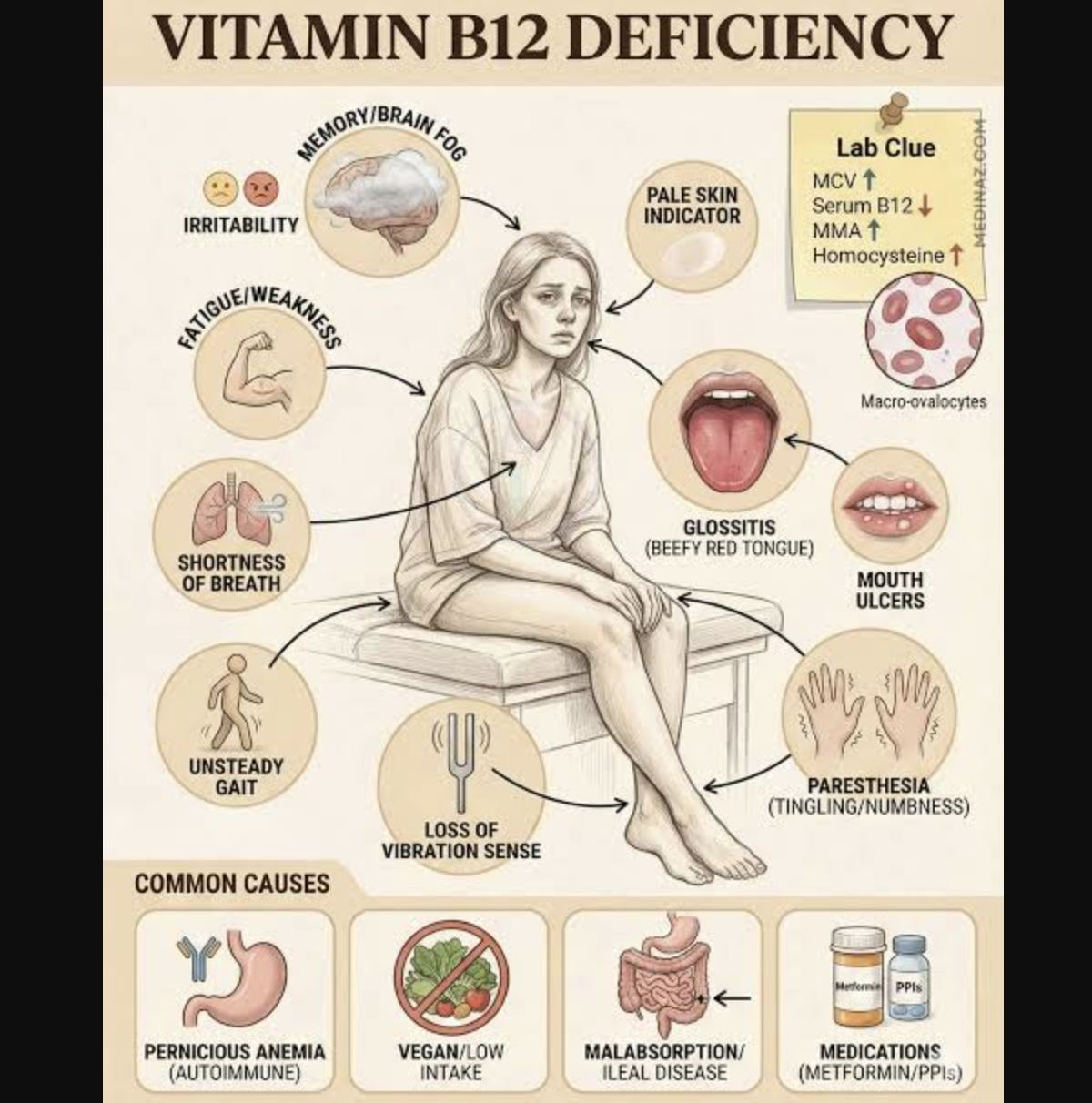
Vitamin B12 supports red blood cell production, DNA synthesis, brain development and healthy neurological functioning.
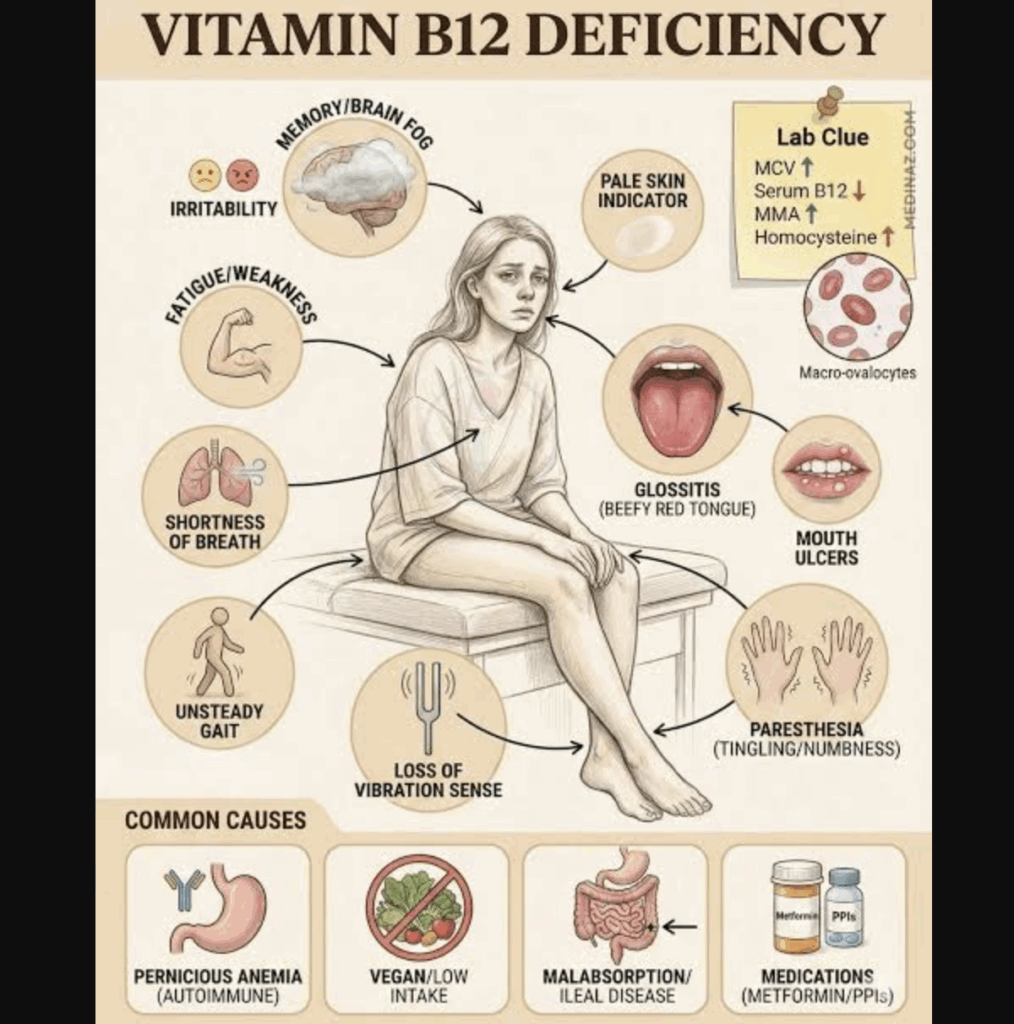
Prolonged deficiency can cause fatigue, muscle weakness, memory difficulties, numbness and impaired balance. Severe, untreated deficiency can potentially result in permanent neurological damage.
Among infants, inadequate vitamin B12 levels can contribute to developmental delays.
Low maternal vitamin B12 levels have also been associated with adverse pregnancy outcomes, including low birth weight and developmental complications.
What Causes Vitamin B12 Deficiency?
Vitamin B12 occurs naturally in animal-based foods, including fish, meat, eggs and dairy products.
Individuals consuming predominantly plant-based diets without adequate fortified foods or supplementation may face a higher risk of deficiency.
However, inadequate dietary intake is not the only cause. Certain medical conditions, medications and impaired nutrient absorption can also contribute to low vitamin B12 levels.
Experts Call For Changes In India’s Nutrition Programmes
India’s existing anaemia prevention programmes primarily focus on iron and folic acid supplementation.
Some medical experts have recommended greater attention to vitamin B12 through nutritional awareness, targeted supplementation and carefully planned food fortification.
However, other researchers have cautioned against interpreting laboratory-based deficiency estimates as evidence of widespread clinical illness.
The survey found comparable rates of vitamin B12 deficiency among individuals with and without anaemia.
Experts have therefore called for further research to establish appropriate diagnostic thresholds for Indian populations and evaluate the actual health benefits of large-scale supplementation before introducing nationwide interventions.
Summary
An ICMR nationwide nutrition survey has found vitamin B12 deficiency in 66.1% of adolescent boys, 65.4% of adolescent girls and 63.1% of pregnant women in India. The findings highlight potential nutritional and neurological health concerns. While experts have recommended greater attention to vitamin B12 intake, further research is needed to establish population-specific diagnostic thresholds and effective public health interventions.