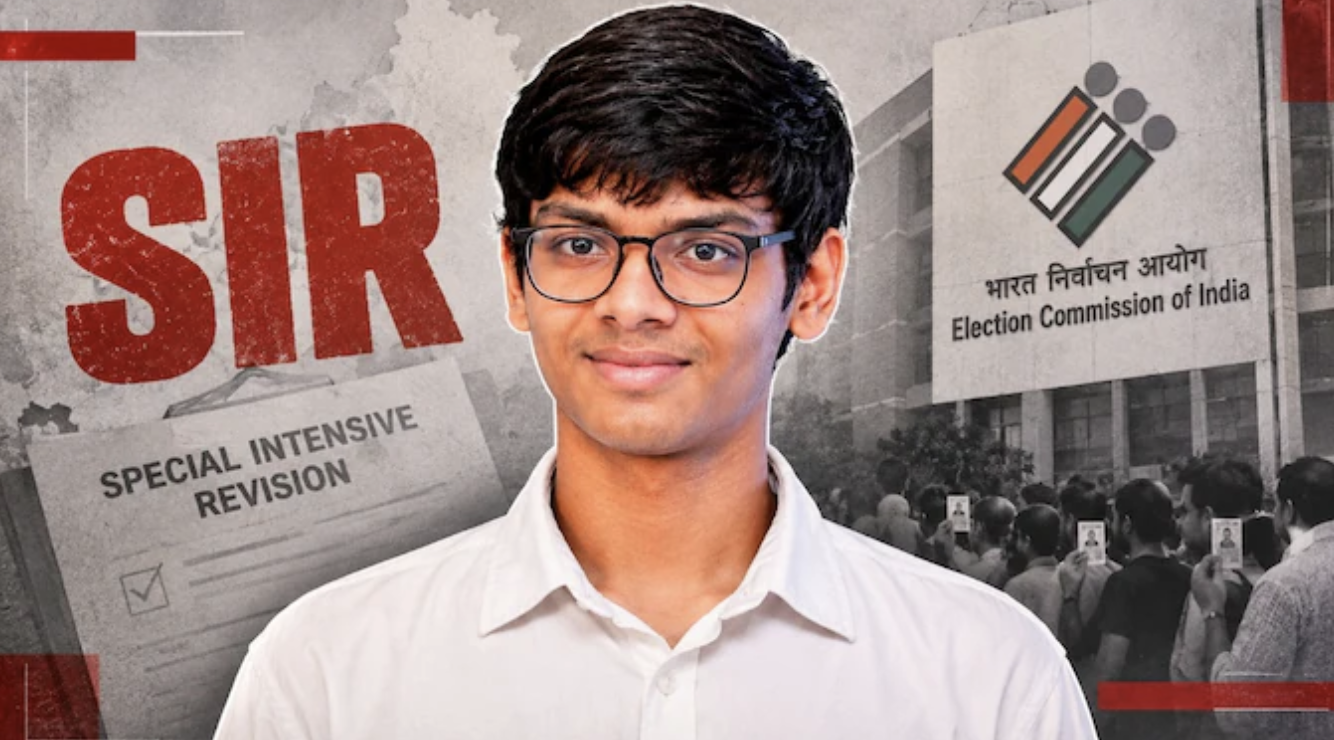


An 18-year-old ethical hacker from Ranchi, Sarthak Sidhant, has developed a searchable database of Uttar Pradesh’s electoral rolls, converting approximately 6.8 lakh PDF documents into 54.8 crore rows of structured data.
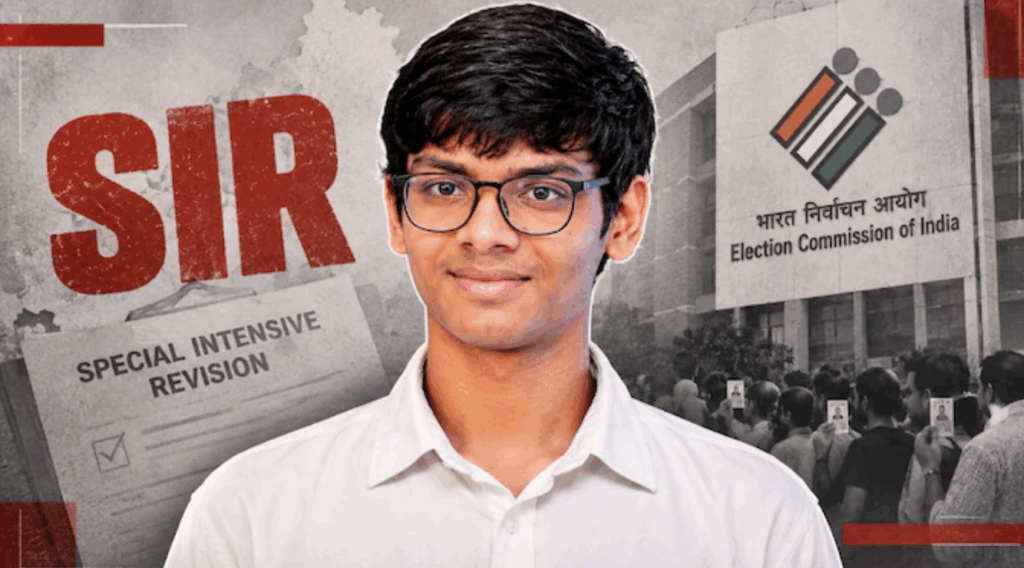
Sidhant, who previously highlighted alleged irregularities in the Central Board of Secondary Education’s (CBSE) digital evaluation system, announced the initiative on November 24, 2026.
The project covers all 403 Assembly constituencies of Uttar Pradesh and makes large-scale analysis of electoral records considerably easier.
6.8 Lakh PDF Files Converted Into Searchable Data
Although the Election Commission of India (ECI) had published electoral rolls online, many documents were available as scanned images within PDF files.
This made searching, verifying and comparing electoral entries across different revision periods a time-consuming exercise.
Sidhant and his team deployed Optical Character Recognition (OCR) technology to extract information from these scanned documents and convert it into structured digital records.
The database covers four sets of electoral rolls:
- 2024 Lok Sabha election voter rolls
- Special Intensive Revision (SIR) draft rolls
- Special Intensive Revision final rolls
- 2027 draft electoral rolls
The 54.8 crore rows represent cumulative records across multiple electoral roll versions, rather than 54.8 crore individual voters.
Database Available For Free With Privacy Safeguards
The consolidated dataset has been made available for free public download.
To protect personal information, the team replaced sensitive identifiers, including voters’ names, relatives’ names, voter identification numbers and house numbers, with cryptographically generated tokens.
Researchers can compare electoral records across different periods while referring to the original ECI documents for verification.
However, the independently developed database does not replace official electoral rolls.
Teenager Previously Highlighted CBSE Evaluation Irregularities
Sidhant attracted national attention earlier in 2026 after identifying alleged discrepancies in his Class 12 examination marks.
He subsequently examined CBSE’s On-Screen Marking system and identified changes in tender conditions governing the selection of digital evaluation service providers.
On June 2, he presented a seven-page document containing his findings before the Parliamentary Standing Committee on Education.
Later, on June 26, Sidhant released another database containing approximately 1.66 crore government procurement records.
His initiatives earned him a place on the TIME100 Next India 2026 list on November 20.
Voter Database Initiative Receives Widespread Appreciation
Congress MP Gaurav Gogoi and several journalists have publicly appreciated Sidhant’s latest initiative, highlighting its potential to improve access to electoral information.
The Uttar Pradesh Chief Electoral Officer’s office had already introduced searchable PDFs for the 2027 draft electoral rolls on November 17.
However, Sidhant’s project brings together multiple electoral roll versions within a consolidated database.
The Election Commission has not yet issued a response to the teenager’s claims, according to available reports. Independent validation of the entire extracted dataset also remains pending.
Summary
An 18-year-old ethical hacker, Sarthak Sidhant, and his team have converted 6.8 lakh Uttar Pradesh voter roll PDFs into 54.8 crore searchable data rows covering 403 Assembly constituencies. Using OCR technology and privacy safeguards, the initiative enables large-scale electoral data analysis. Sidhant previously highlighted alleged irregularities in CBSE’s digital evaluation system and digitised government procurement records.