Indian Railways has achieved a major milestone in its sustainability journey, reducing diesel consumption by an impressive 63% over the past decade through an aggressive electrification program. The transformation is helping the national transporter lower fuel costs, reduce carbon emissions, and improve operational efficiency while moving closer to its goal of becoming a net-zero carbon emitter.
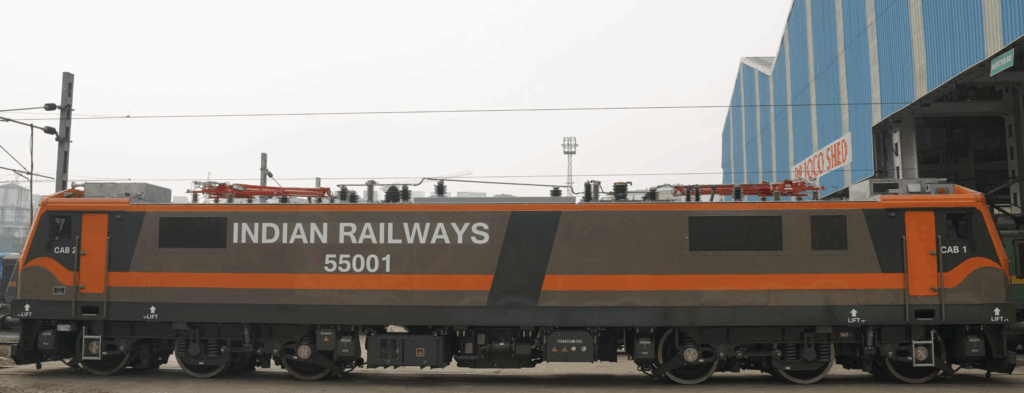
The achievement highlights one of the largest railway electrification initiatives undertaken anywhere in the world and reflects India’s broader push toward cleaner and more energy-efficient transportation infrastructure.
Electrification Drive Delivers Significant Results
According to Railway Ministry data, diesel consumption has fallen from around 3.3 billion litres in 2014-15 to approximately 1.2 billion litres in 2024-25. The sharp decline has been driven primarily by the rapid electrification of railway routes across the country.
Over the last decade, Indian Railways has electrified tens of thousands of route kilometres, dramatically reducing dependence on diesel-powered locomotives. Today, a vast majority of the railway network operates using electric traction, allowing trains to run more efficiently and at lower operating costs.
Fuel Savings Translate Into Financial Benefits
The reduction in diesel usage has generated substantial savings for Indian Railways. Diesel has traditionally been one of the largest operating expenses for the national transporter, particularly when global crude oil prices are high.
By shifting to electric locomotives, Railways has been able to lower fuel expenditure while improving energy efficiency. The transition is expected to deliver long-term financial benefits and reduce vulnerability to fluctuations in international fuel markets.
Industry experts believe the savings can be redirected toward infrastructure upgrades, passenger amenities, and network expansion projects.
Environmental Gains Strengthen Sustainability Goals
The electrification push is also contributing significantly to India’s environmental objectives. Electric trains produce lower direct emissions compared to diesel-powered locomotives, helping reduce the railway sector’s carbon footprint.
Indian Railways has set an ambitious target of achieving net-zero carbon emissions by 2030. Increased electrification, renewable energy adoption, and energy-efficient operations are key pillars supporting this strategy.
The reduction in diesel consumption is expected to play a crucial role in helping Railways move closer to its sustainability goals.
Faster, More Efficient Rail Operations
Beyond fuel savings and environmental benefits, electrification improves overall railway performance. Electric locomotives generally offer better acceleration, higher hauling capacity, lower maintenance requirements, and improved reliability.
These advantages help increase network efficiency, improve train punctuality, and support the growing demand for passenger and freight transportation across the country.
As electrification expands further, Railways expects additional improvements in operational performance and service quality.
Summary
Indian Railways has reduced diesel consumption by 63% over the past decade through an extensive electrification program. Diesel usage has fallen from about 3.3 billion litres to 1.2 billion litres, generating significant fuel savings and reducing emissions. The initiative supports Railways’ net-zero target, improves operational efficiency, lowers dependence on fossil fuels, and strengthens India’s push toward sustainable transportation.