The Union Public Service Commission (UPSC) has introduced face authentication technology for candidates appearing in the Civil Services Preliminary Examination, marking a major step toward strengthening the integrity of one of India’s most competitive recruitment processes. The move is aimed at preventing impersonation and ensuring that only genuine candidates appear for the examination.
The new system leverages biometric verification and digital authentication technologies to enhance transparency and security across the examination process.
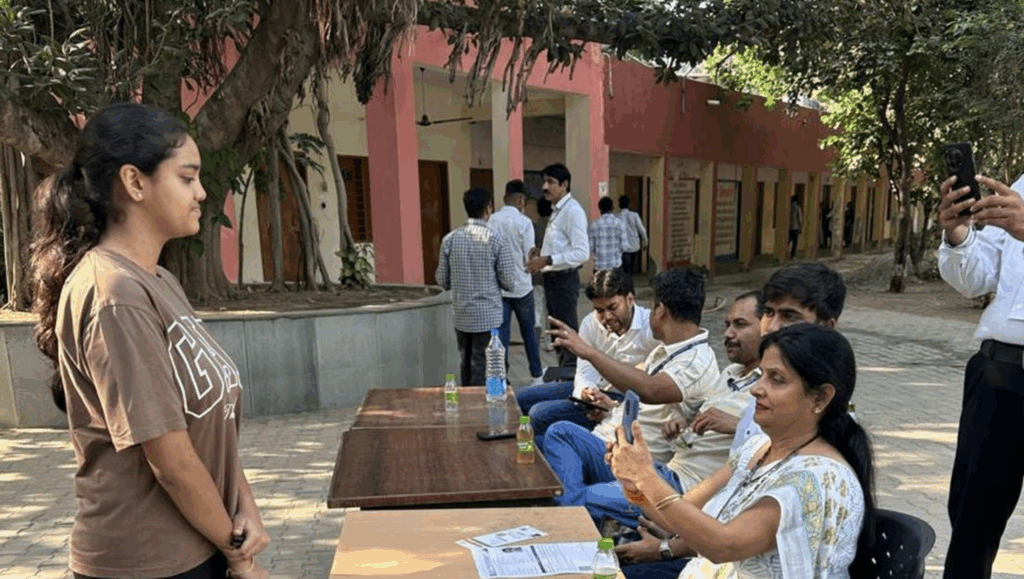
New Measure Targets Examination Fraud
Impersonation has long been a concern for competitive examinations across the country. In some cases, individuals have allegedly attempted to appear for exams on behalf of registered candidates, undermining the fairness of the recruitment process.
To address this challenge, UPSC has introduced face authentication as an additional layer of identity verification. The technology will help officials match candidates’ facial data with official records, reducing the possibility of fraudulent participation.
Authorities believe the move will strengthen confidence in the examination system and ensure a level playing field for all aspirants.
How Face Authentication Will Work
Under the new process, candidates will undergo face verification during various stages of the examination process. The system is designed to compare live facial images with photographs already available in official application records.
Advanced facial recognition technology can quickly identify discrepancies and flag potential cases of impersonation. The process is expected to be integrated with existing identity verification mechanisms, including admit cards and government-issued identification documents.
Officials have emphasized that the technology is being introduced primarily as a preventive measure to enhance examination security.
Technology Becoming Common In Competitive Exams
The adoption of biometric and digital verification technologies has increased significantly across educational institutions, recruitment agencies, and examination authorities.
Several examination bodies already use fingerprint verification, iris scans, and digital identity checks to prevent fraud. Face authentication is increasingly being viewed as a convenient and scalable solution because it allows quick verification without requiring additional physical contact or specialized hardware.
Experts believe such technologies will become more common as examination authorities seek stronger safeguards against malpractice.
Benefits For Genuine Candidates
For serious aspirants, stronger authentication measures can help protect the credibility of the examination process. Fair and transparent recruitment systems are essential because the Civil Services Examination serves as the gateway to prestigious government positions, including the Indian Administrative Service (IAS), Indian Police Service (IPS), and Indian Foreign Service (IFS).
By reducing the risk of impersonation and fraud, UPSC aims to ensure that selections are based solely on merit and performance.
Balancing Security And Privacy
While the introduction of facial recognition technology offers security benefits, it also raises discussions around data privacy and information protection. Authorities are expected to follow established protocols regarding the collection, storage, and use of biometric information.
As digital verification becomes more widespread, balancing security requirements with privacy safeguards will remain an important consideration for public institutions.
Summary
UPSC has introduced face authentication for the Civil Services Preliminary Examination to prevent impersonation and strengthen examination security. The technology will verify candidates by matching live facial images with official records, adding an extra layer of identity verification. The move aims to enhance transparency, protect the integrity of the recruitment process, and ensure fair competition for India’s most prestigious civil services examination.