The United States is reportedly experiencing one of its steepest declines in visitors from India in recent years, marking a major shift in global travel patterns. According to reports, Indian visitor numbers to the US have dropped sharply in 2026 after years of consistent growth.
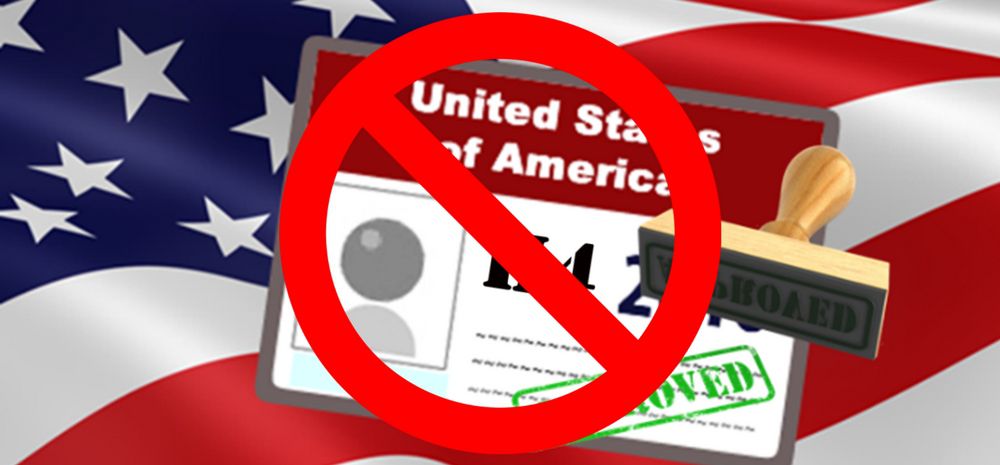
The decline is particularly important because:
- India has been one of America’s fastest-growing outbound tourism markets
- Indian travelers are among the world’s highest-spending international tourists
- The US heavily depends on Indian students, business travelers, and family tourism.
Why Indian Travel To The US Is Falling
Multiple factors are contributing to the slowdown.
1. Tougher Visa Environment
Many travelers are increasingly concerned about:
- Longer visa appointment wait times
- Higher rejection fears
- Increased scrutiny at immigration checkpoints
- Uncertainty around work and student visa rules.
Reports suggest:
- H-1B visa tightening debates
- Stricter immigration rhetoric
- Greater documentation requirements
…have created anxiety among Indian travelers and families considering US visits.
Airfare & Travel Costs Have Surged
Another major reason is rising travel expenses.
International airfares between:
- India and North America
…have increased sharply due to:
- Global fuel-price spikes
- West Asia airspace disruptions
- Higher operational costs for airlines.
For many Indian families:
- US vacations have become significantly more expensive compared to:
- Europe
- Southeast Asia
- Dubai
- Australia.
Students Are Exploring Alternative Destinations
The US has traditionally been the top destination for Indian students.
However, in 2026:
- Canada
- Germany
- Australia
- UAE
- Singapore
…are increasingly emerging as alternatives.
Students are now prioritizing:
- Faster visa processing
- Better post-study work options
- Lower tuition costs
- Immigration stability.
This shift matters because:
- Indians form one of the largest international student communities in the US.
Tourism Industry Could Feel The Impact
Indian travelers contribute billions annually to the US economy through:
- Shopping
- Hotels
- Airlines
- Universities
- Entertainment
- Business travel.
A prolonged decline could impact:
- Retail tourism
- Airlines operating India-US routes
- University enrollments
- Hospitality businesses in major cities like:
- New York
- San Francisco
- Chicago
- Orlando.
Global Travel Patterns Are Changing
The slowdown also reflects a broader shift happening globally.
Indian outbound travelers are increasingly choosing:
- Visa-friendly destinations
- Shorter-haul trips
- Affordable luxury tourism
- Countries with easier digital visa systems.
Meanwhile:
- Geopolitical tensions
- Currency fluctuations
- Fuel prices
- Immigration politics
…are influencing travel decisions more than ever before.
Why This Matters
The fall in Indian visitors is significant because India represents one of the world’s biggest future travel markets.
The bigger takeaway is clear:
Global tourism is no longer driven only by destinations and attractions — it is increasingly shaped by:
- Visa policies
- Immigration sentiment
- Airfare economics
- Geopolitical stability
- Ease of travel experience.
And for the US, losing momentum in the Indian travel market could have long-term economic implications across tourism, education, and business sectors.