India’s telecom infrastructure providers have sounded an alarm over potential disruptions in diesel supplies, warning that mobile network operations could be affected if the situation persists. The industry has approached the Department of Telecommunications (DoT) and oil marketing companies seeking urgent intervention to ensure uninterrupted fuel availability for telecom towers across the country.
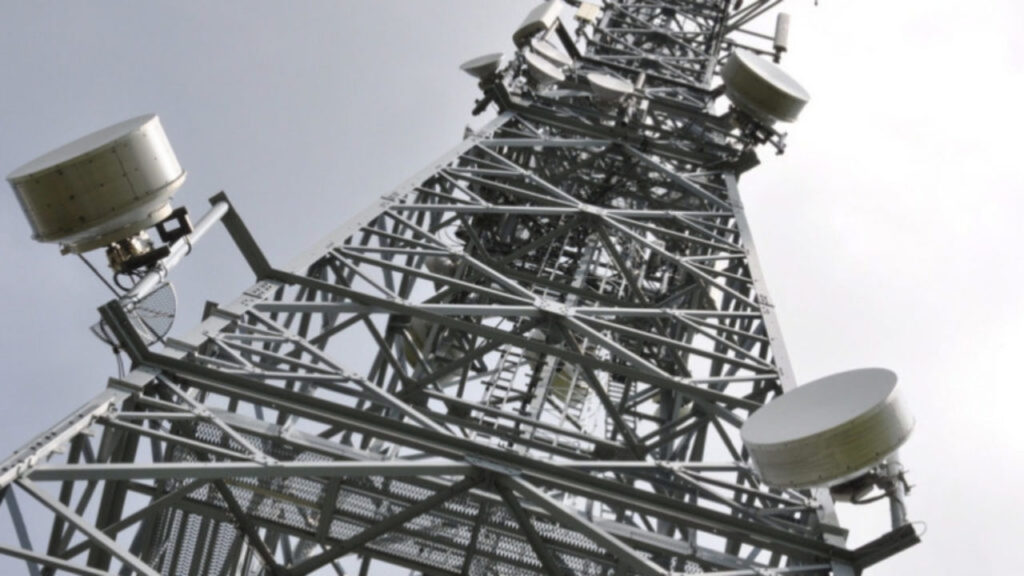
The issue has gained significance because telecom towers form the backbone of India’s digital economy, supporting mobile services, internet connectivity, digital payments, emergency communications, and government services used by millions every day.
Why Telecom Towers Depend on Diesel
Although telecom towers primarily operate on grid electricity, diesel generators continue to serve as a critical backup power source during outages. This is particularly important in rural areas, remote locations, and regions that experience frequent power disruptions.
When electricity fails, diesel generators automatically power telecom equipment, ensuring that mobile calls, internet services, and data transmission continue without interruption. Industry experts note that even brief disruptions in fuel availability can affect tower uptime and network reliability.
As a result, diesel remains an essential operational requirement despite ongoing efforts to improve energy efficiency and adopt renewable power sources.
Industry Seeks Government Intervention
According to reports, the Digital Infrastructure Providers Association (DIPA) has written to the Department of Telecommunications and oil marketing companies regarding challenges in procuring diesel supplies.
The industry body has reportedly requested that telecom towers be recognized as critical infrastructure for fuel allocation purposes. Operators argue that uninterrupted diesel availability is necessary to maintain essential communication services, particularly during emergencies and natural disasters.
Telecom companies are concerned that delays in fuel deliveries could impact network resilience, especially during periods of increased power demand.
Why This Matters for Consumers
For most consumers, mobile connectivity has become as important as electricity and water. Banking transactions, online education, remote work, e-commerce, healthcare services, and emergency communications all depend on reliable telecom networks.
Any large-scale disruption to tower operations could affect voice calls, internet access, and digital services used by businesses and individuals alike. Experts warn that as India’s digital economy expands, the reliability of supporting infrastructure becomes increasingly important.
A Broader Infrastructure Challenge
The situation highlights how critical infrastructure sectors remain interconnected. Even as telecom companies invest in advanced technologies such as 5G, fiber networks, and AI-driven systems, they continue to depend on conventional resources like diesel to ensure uninterrupted service.
Industry observers believe the long-term solution lies in greater adoption of renewable energy systems, battery storage technologies, and improved grid reliability. However, for the foreseeable future, diesel will continue to play a crucial role in keeping India’s telecom networks operational.
As discussions continue between telecom operators, government authorities, and fuel suppliers, the industry’s primary goal remains clear: ensuring that millions of users stay connected without disruption.