As E20 petrol becomes the standard fuel available at pumps across India, a new concern has emerged for owners of older vehicles. ICICI Lombard, one of India’s largest private general insurers, has cautioned that insurance claims arising from E20-related damage in non-compatible vehicles could face rejection if insurers view the fuel’s use as negligence or improper vehicle operation.
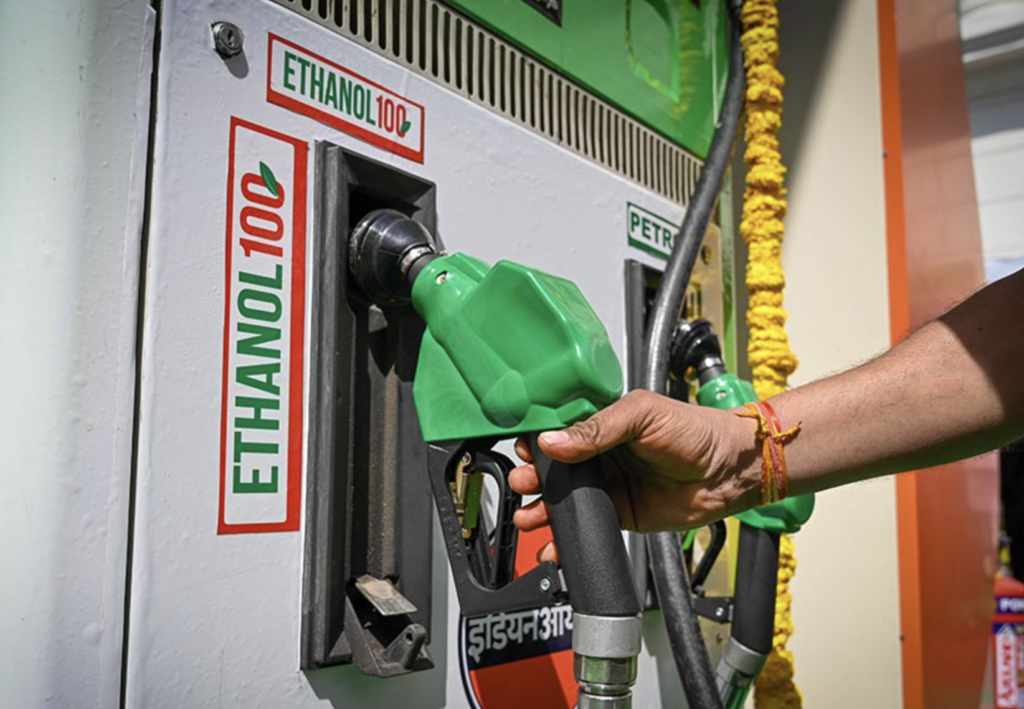
The warning comes at a time when millions of vehicle owners are adjusting to India’s nationwide transition toward ethanol-blended fuel as part of the government’s efforts to reduce oil imports and lower emissions.
What Is E20 Fuel?
E20 is a fuel blend consisting of 20% ethanol and 80% petrol. The government has been promoting its adoption to reduce dependence on imported crude oil and support cleaner transportation. While newer vehicles are designed to operate on E20 fuel, many older cars and two-wheelers were not built to handle higher ethanol concentrations.
Automobile manufacturers began introducing E20-compatible vehicles from April 2023 onwards. As a result, a significant number of vehicles currently on Indian roads may not be fully compatible with the fuel.
Why Insurance Claims Could Be at Risk
According to ICICI Lombard, the issue is not whether an insurance policy remains valid, but whether a specific claim linked to E20-related damage will be accepted. The insurer noted that using a fuel not recommended for a vehicle could be interpreted as improper use or negligence, potentially affecting claim approvals.
This creates a grey area for policyholders. While the government has clarified that E20 fuel itself does not automatically void insurance coverage, damage resulting from its use in non-compatible vehicles may still be scrutinized during the claims process.
What Impact Can E20 Have on Older Vehicles?
Experts say ethanol behaves differently from conventional petrol. It can be more corrosive and may gradually affect fuel lines, rubber seals, injectors, pumps, and other components that were not designed for higher ethanol blends. Some users may also experience a slight drop in fuel efficiency because ethanol contains less energy than petrol.
While E20-compatible vehicles are engineered to handle these effects, older vehicles may face increased wear and maintenance concerns over time.
What Should Vehicle Owners Do?
Industry experts recommend checking whether a vehicle is E20-compatible before regularly using the fuel. Owners should consult their vehicle manufacturer’s guidelines, owner’s manual, or authorized service centers for clarification. Keeping maintenance records and following manufacturer recommendations may also help in the event of future insurance disputes.
As India’s transition to E20 accelerates, the debate highlights a growing challenge for older vehicle owners. While the fuel supports environmental and energy-security goals, questions around compatibility, maintenance costs, and insurance coverage are likely to remain key concerns in the years ahead.