The cancellation of NEET-UG 2026 has triggered a fresh political and educational storm across India, with C. Joseph Vijay demanding the complete abolition of the national medical entrance examination.
Reacting to the paper leak controversy, Vijay said the incident exposed “conclusive proof” of deep structural flaws in the NEET system and shattered the dreams of lakhs of medical aspirants.
In a statement posted on X, the Tamil Nadu Chief Minister urged the Union government to:
- Scrap NEET-based medical admissions
- Allow states to admit students based on Class 12 marks
- Restore state-level autonomy in medical admissions
NEET Cancellation Has Reignited An Old Tamil Nadu Battle
Tamil Nadu has opposed NEET almost since its introduction.
Successive governments in the state — across political parties — have argued that the examination unfairly disadvantages:
- Rural students
- Government school students
- Tamil-medium students
- Economically weaker families
According to Vijay, the latest paper leak controversy proves the system is not only unequal but also vulnerable to large-scale malpractice.
The CM pointed out that:
- NEET 2024 also witnessed leak allegations and CBI probes
- Reform recommendations were already made after previous controversies
- Yet another major leak happened within two years
“This is not the first time NEET has been compromised,” Vijay reportedly said.
Over 22 Lakh Students Impacted
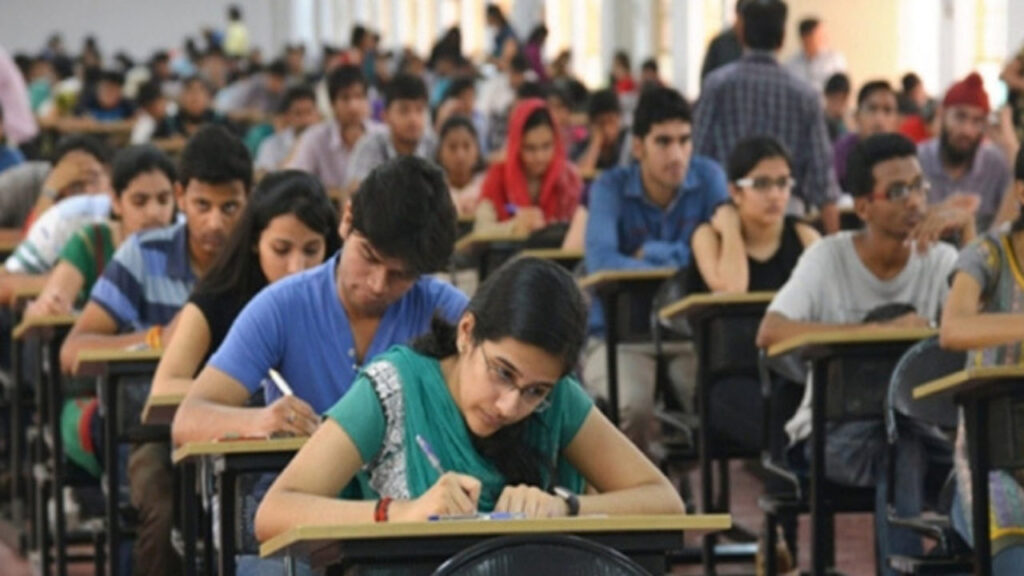
The NEET-UG 2026 cancellation has affected more than 22 lakh medical aspirants across India.
The exam, held on May 3, was cancelled after investigators found that:
- A “guess paper” allegedly matched a large number of actual questions
- Leak networks may have operated across Rajasthan, Gurugram, and Nashik
- Multiple arrests were made by the CBI
Authorities have reportedly:
- Arrested five accused
- Seized laptops and phones
- Investigated coaching networks and hostel operators
- Questioned more than 150 candidates and associates
Why Tamil Nadu Wants Class 12-Based Admissions
Before NEET became mandatory nationwide in 2017, Tamil Nadu admitted medical students primarily through Class 12 marks.
The state has long argued that:
- Continuous school performance is fairer than one high-pressure exam
- Coaching culture benefits wealthier urban students
- National exams disadvantage regional language and state-board students
Tamil Nadu had even passed a NEET exemption bill earlier, seeking presidential approval to restore its old admission system.
The issue has therefore become not just an education debate, but also a federalism issue involving:
- State rights
- Social justice
- Access to medical education
- Language and regional inequality
NEET Debate Is Becoming Bigger Than Education
The NEET controversy is now evolving into a national governance issue.
Critics argue repeated leaks show:
- Weak exam security systems
- Massive coaching mafia influence
- Growing commercialization of competitive exams
- Failure of centralized testing models
Meanwhile, supporters of NEET say the exam:
- Creates uniform national standards
- Reduces donation-based admissions
- Ensures merit-based selection nationwide
The Federation of All India Medical Association (FAIMA) has now reportedly approached the Supreme Court seeking a complete overhaul of the National Testing Agency (NTA).
A Political Flashpoint Ahead
The issue is also becoming politically explosive.
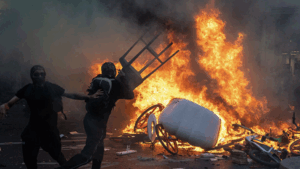
Opposition leaders across India have attacked the Centre over repeated exam leak controversies, while protests have erupted in several cities demanding accountability and education reforms.
For Tamil Nadu specifically, NEET has become one of the state’s most emotionally charged political topics because it directly connects with:
- Rural aspirations
- Government school representation
- Social mobility through medicine
The bigger question now is:
Will the NEET-UG 2026 scandal finally force India to rethink centralized entrance examinations — or will the system continue with stricter reforms instead of abolition?