The Supreme Court of India has officially decided to conduct hearings entirely through video conferencing on Mondays and Fridays as part of a nationwide fuel-conservation push triggered by rising global energy pressures and the ongoing West Asia crisis.
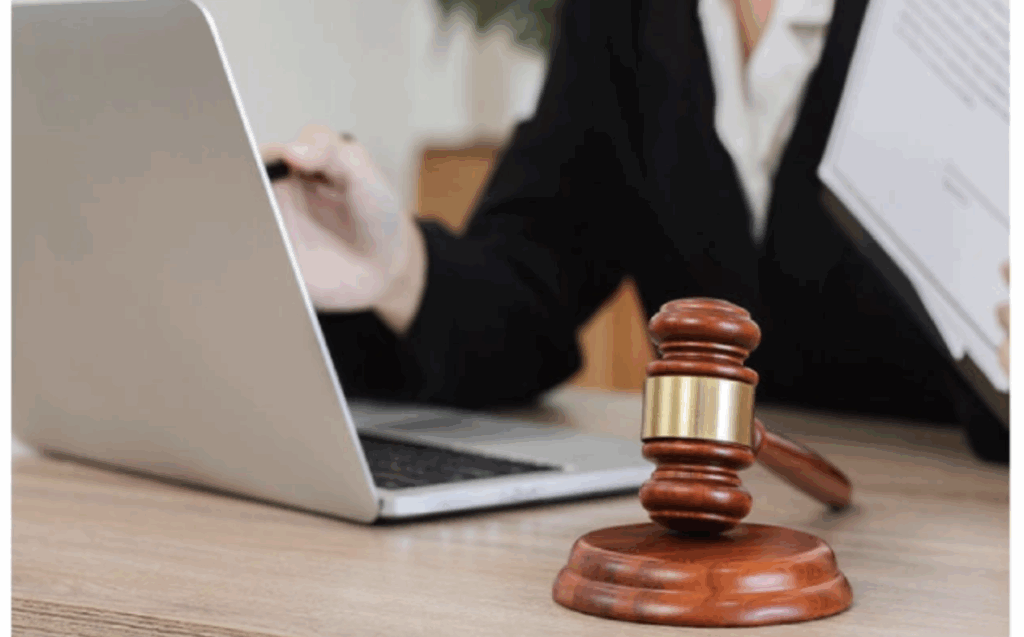
According to the court’s circular:
- All matters listed on miscellaneous days
- Partial working-day hearings
- Monday and Friday proceedings
…will now be conducted virtually until further orders.
The remaining weekdays:
- Tuesdays
- Wednesdays
- Thursdays
…will continue in hybrid mode, allowing both physical and virtual appearances.
PM Modi’s Fuel-Saving Appeal Triggered The Shift
The decision follows Prime Minister Narendra Modi’s recent national appeal urging:
- Reduced fuel consumption
- Work-from-home wherever possible
- Virtual meetings and conferences
- Lower unnecessary travel.
The appeal came after:
- Crude oil prices surged sharply
- Strait of Hormuz tensions disrupted global energy markets
- India faced rising import pressure due to the West Asia conflict.
The Supreme Court’s move is now being viewed as one of the highest-profile institutional responses to the government’s conservation push.
Judges To Carpool, Registry Staff Get WFH
The Supreme Court has also introduced additional austerity and fuel-saving measures.
According to the circular:
- Judges have unanimously agreed to encourage carpooling
- Registry staff may work from home for up to two days a week
- Up to 50% staff in each branch can operate remotely via roster systems.
Officials stated the objective is:
- “Optimum utilisation of fuel”
- Reduced commuting
- Better resource management.
Judiciary Joins India’s Growing Hybrid Work Push
The Supreme Court’s decision comes amid a broader national shift toward hybrid work and virtual systems.
Recent measures across India include:
- Delhi government announcing 2-day WFH
- UP proposing hybrid work for IT firms and startups
- PSUs exploring one-day remote work policies
- Government departments reducing vehicle usage.
Even High Court judges have publicly supported the initiative.
Recently:
- Madhya Pradesh High Court judge Justice Dwarka Dhish Bansal was seen cycling to court after Modi’s fuel-saving appeal.
Virtual Courts Are Returning After Covid Era
India’s judiciary had heavily adopted virtual hearings during the Covid-19 pandemic.
At peak pandemic levels:
- Thousands of hearings were conducted online daily
- Lawyers appeared remotely nationwide
- Digital filing and hybrid court systems expanded rapidly.
However:
- Most courts gradually shifted back to physical operations after the pandemic eased.
Now, virtual systems are returning for a very different reason:
- Fuel conservation
- Economic pressure
- Energy security concerns.
Lawyers & Litigants May Benefit
Many lawyers and litigants may benefit from the move because:
- Travel expenses reduce significantly
- Inter-city appearances become easier
- Time efficiency improves
- Traffic and commuting stress decrease.
However, some lawyers still prefer physical hearings for:
- Complex constitutional matters
- Lengthy oral arguments
- Sensitive litigation proceedings.
Why This Matters
The Supreme Court’s decision signals something much bigger than just virtual hearings.
India’s highest judicial institution is now directly participating in:
- National fuel conservation efforts
- Hybrid workplace transformation
- Digital governance expansion.
The bigger takeaway is clear:
Virtual work systems introduced during Covid-19 are no longer viewed only as emergency tools — they are increasingly becoming part of India’s long-term economic, energy, and administrative strategy.