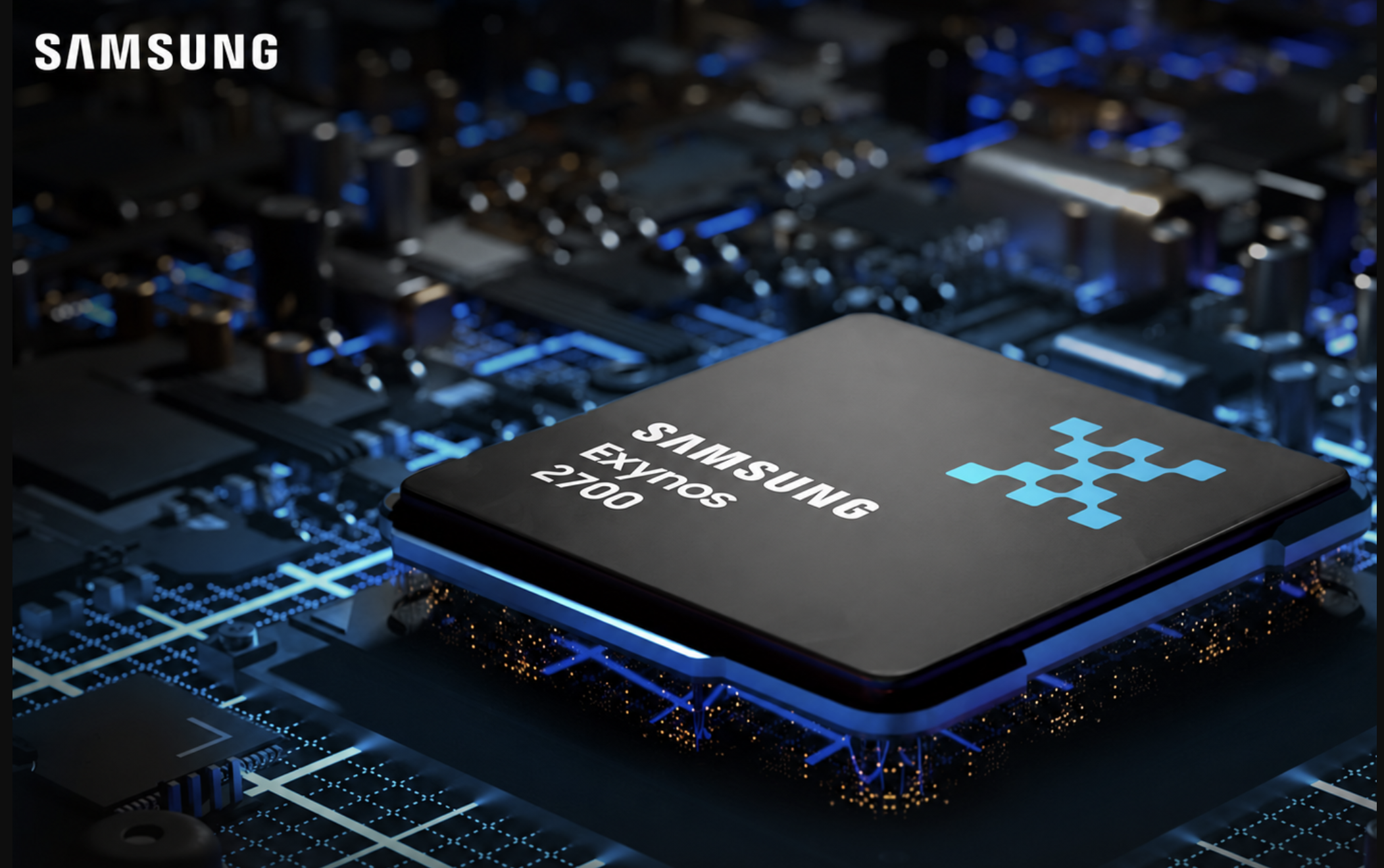
Samsung Electronics, the world’s largest memory chipmaker, is forecast to report a 10.1 trillion won operating profit for the July–September quarter, according to LSEG SmartEstimate based on inputs from 31 analysts. This marks a 10% year-on-year rise, driven by a sharp recovery in memory chip prices.

Analysts attribute the growth primarily to conventional DRAM and NAND chips, whose prices soared as hyperscalers and AI-driven workloads spurred data center demand. According to TrendForce, DRAM prices surged 171.8% YoY in Q3, with clients rebuilding inventories to support expanding AI services such as ChatGPT.
Table 1: Samsung Key Q3 Estimates (2025)
| Metric | Estimate | YoY Change |
|---|---|---|
| Operating Profit | 10.1 trillion won ($7.11 billion) | +10% |
| Revenue | ~74 trillion won (projected) | +7% |
| DRAM Price Increase | +171.8% | — |
| Samsung Share Rise (YTD) | +43% | — |
Weaker HBM Sales Offset Gains
While conventional memory chips have recovered strongly, Samsung continues to lag behind SK Hynix and Micron in the high-bandwidth memory (HBM) market. Analysts note that delays in supplying 12-layer HBM3E chips to Nvidia have limited Samsung’s share in the booming AI hardware segment.
HBM chips, essential for AI training and inference, stack multiple DRAM layers vertically to boost performance while reducing power use. “Samsung’s profit recovery would have been sharper had it launched its new HBM3E products on time,” analysts observed.
AI Deals and Foundry Hopes Brighten Outlook
Despite challenges, Samsung’s outlook remains positive thanks to major supply deals with OpenAI and Tesla. The company’s $16.5 billion foundry partnership with Tesla has reignited optimism in its contract chip manufacturing unit, which has trailed Taiwan’s TSMC.
During OpenAI CEO Sam Altman’s visit to South Korea, Samsung and SK Hynix announced collaborations to supply advanced memory chips for OpenAI’s “Stargate” AI project, reinforcing Samsung’s relevance in the AI supply chain.
Risks: Tariffs and China’s Rare Earth Curbs
Analysts warn that geopolitical risks may temper Samsung’s momentum. Potential U.S. tariffs on semiconductors and China’s tightening export controls on rare earth materials — vital for chipmaking — could disrupt supply chains and increase costs.
Still, Samsung’s diversified client base and continued investment in memory technology are expected to cushion the impact. With global AI infrastructure demand accelerating, Samsung’s Q3 results, due Tuesday, October 14, will signal how effectively the firm is navigating this next phase of the semiconductor upcycle.
Table 2: Comparison — AI Chip Market Dynamics (2025)
| Company | Key Focus Area | AI Chip Supply Deals | Q3 Outlook |
|---|---|---|---|
| Samsung | DRAM, NAND, Foundry | Tesla, OpenAI | Profit up 10% YoY |
| SK Hynix | HBM3, DRAM | Nvidia, AMD | Strong AI-driven demand |
| Micron | HBM3E | Global hyperscalers | Sold out till 2026 |
Bottom Line:
Samsung’s Q3 2025 performance marks a crucial turning point — signaling a recovery in traditional memory chip demand while underscoring the strategic importance of AI-related partnerships. Despite headwinds from HBM delays and geopolitical uncertainty, the tech giant appears well-positioned to benefit from the next wave of AI and data center growth.