As geopolitical tensions in West Asia continue to impact global energy markets, India is once again exploring ways to strengthen its energy security. One project attracting significant attention is the Ashoknagar oil field in West Bengal, which holds substantial crude oil reserves and could play a role in reducing the country’s dependence on imported petroleum.
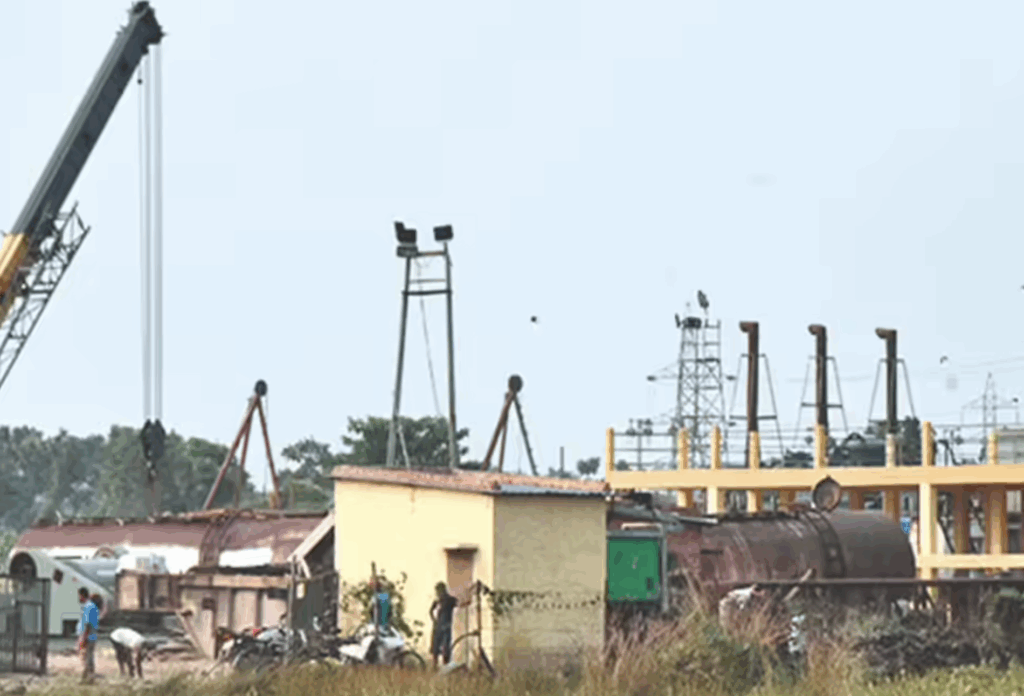
Why the Ashoknagar Oil Field Is Back in Focus
Located around 48 km from Kolkata in North 24 Parganas district, the Ashoknagar oil field was discovered by ONGC in 2018. It is considered eastern India’s first oil and gas-producing region and is estimated to contain more than 240 million barrels of crude oil. The project has regained attention as policymakers look for ways to shield India from global oil supply disruptions and price volatility.
Recent discussions between political leaders and the central government have highlighted the need to accelerate production from the field and unlock its economic potential.
India’s Heavy Dependence on Imported Crude
India remains one of the world’s largest crude oil importers. According to recent estimates, the country imports nearly 85-89% of its crude oil requirements, making it highly vulnerable to geopolitical events, particularly in West Asia. Any disruption in supply routes or surge in global crude prices directly affects fuel prices, inflation, and economic growth.
This dependence has prompted the government to explore both domestic oil discoveries and alternative energy sources.
Can Ashoknagar Be a Game Changer?
While the reserves in Ashoknagar are significant, experts believe they are unlikely to completely transform India’s energy landscape on their own. However, increased domestic production can reduce import bills, improve energy security, create local employment, and encourage further exploration in the Bengal Basin.
The discovery is also strategically important because it demonstrates the untapped potential of eastern India’s sedimentary basins, which have historically received less exploration attention compared to regions such as Mumbai High and the Krishna-Godavari Basin.
The Road Ahead
For Ashoknagar to contribute meaningfully, extraction activities must scale up and overcome regulatory, logistical, and local challenges. If successfully developed, the field could become an important component of India’s broader strategy to boost domestic oil production and reduce exposure to international energy shocks. While it may not free India entirely from West Asia’s oil supplies, it represents a valuable step toward greater energy independence.