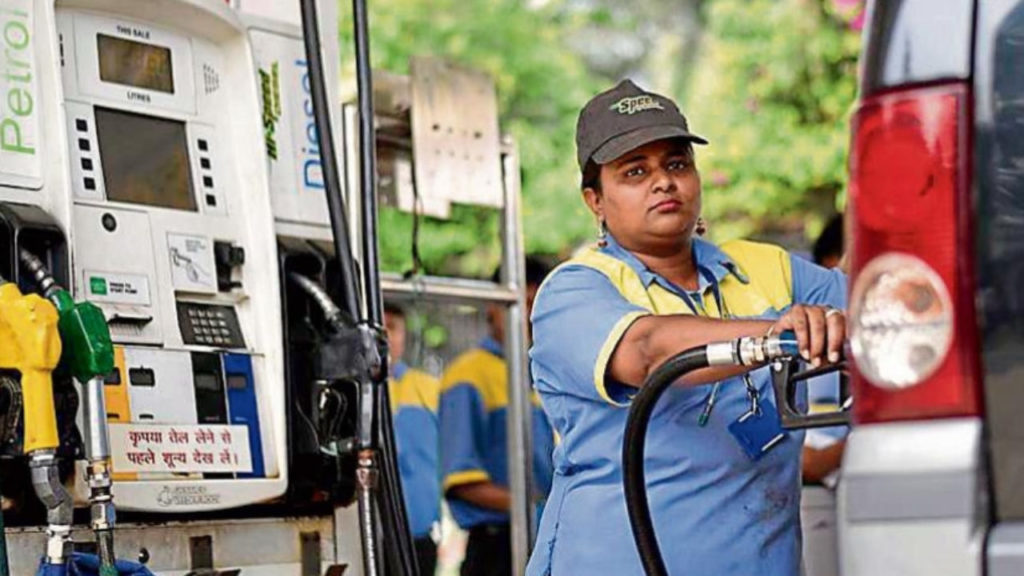
India has officially raised petrol and diesel prices by ₹3 per litre nationwide, marking the first major fuel price hike in nearly four years. State-run oil marketing companies implemented the revised rates with immediate effect amid mounting pressure from soaring global crude oil prices and disruptions linked to the ongoing West Asia conflict.
The increase comes after weeks of speculation that fuel prices could rise due to:
- Crude oil crossing $100 per barrel
- Strait of Hormuz shipping disruptions
- Rupee depreciation
- Heavy losses faced by oil marketing companies (OMCs)
New Petrol & Diesel Prices In Major Cities
Following the hike, fuel prices in key Indian cities have increased sharply.
Delhi
- Petrol: ₹97.77/litre
- Diesel: ₹90.67/litre
Mumbai
- Petrol prices crossed ₹103/litre
- Diesel prices moved above ₹93/litre in several areas
Kolkata
- Petrol crossed ₹108/litre
- Diesel moved closer to ₹95/litre
Chennai
- Petrol moved above ₹101/litre
- Diesel also saw a significant jump
Fuel rates vary across states due to differences in:
- VAT
- Local taxes
- Transportation charges
Why Fuel Prices Were Increased Now
The biggest reason behind the hike is the sharp rise in global oil prices triggered by the escalating Iran-West Asia conflict.
According to reports:
- Crude prices surged above $120/barrel earlier before stabilizing near $100-$105
- Shipping through the Strait of Hormuz remains disrupted
- Oil supply chains are under pressure globally
India imports over 85% of its crude oil requirements, making the economy highly vulnerable to global oil shocks.
Reports suggest Indian oil companies were facing:
- Massive under-recoveries
- Daily financial losses on petrol and diesel sales
- Pressure to absorb rising import costs for months
CNG Prices Also Increased
Alongside petrol and diesel:
- CNG prices in Delhi-NCR were raised by ₹2/kg
- Mumbai also witnessed fresh CNG price hikes recently
This could further increase:
- Public transport costs
- Cab fares
- Commercial vehicle operating expenses
Government’s Fuel-Saving Push Intensifies
The price hike comes shortly after Prime Minister Narendra Modi urged citizens and institutions to reduce fuel consumption.
Recent measures include:
- Push for work-from-home culture
- Virtual meetings and conferences
- Reduced government travel
- Fuel conservation campaigns
Several ministries and states are already exploring:
- Hybrid work policies
- Travel restrictions
- Fuel rationing measures in select sectors
Inflation Concerns May Rise
Fuel price hikes typically impact the broader economy quickly because transportation costs affect almost every sector.
Experts warn the latest increase may push up:
- Food prices
- Logistics costs
- Cab and bus fares
- FMCG prices
- E-commerce delivery charges
India’s wholesale inflation has already surged sharply in recent months amid:
- Energy price increases
- Supply-chain disruptions
- Commodity inflation globally
Oil Companies Still Under Pressure
Interestingly, markets reacted negatively despite the price hike.
Shares of:
- Indian Oil Corporation (IOC)
- Bharat Petroleum (BPCL)
- Hindustan Petroleum (HPCL)
…fell after analysts said the ₹3 increase may still be insufficient to fully offset losses faced by oil retailers.
Some analysts believe:
- Further fuel price hikes may still happen if crude prices remain elevated
- OMCs may continue facing pressure under current global conditions
Why This Matters
The fuel price hike signals a major turning point after years of relative retail fuel stability in India.
The increase highlights how:
- Geopolitical conflicts
- Oil supply disruptions
- Currency weakness
- Energy dependence
…can quickly impact daily life and inflation in India.
The bigger concern now is whether this is just the first fuel hike — or the beginning of a prolonged period of rising energy costs if the global crisis continues.