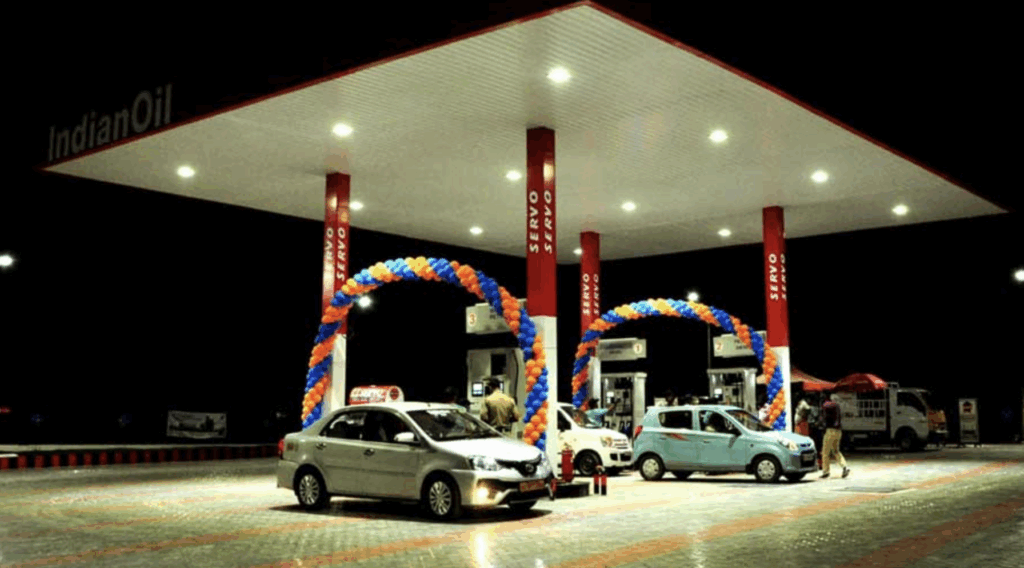
Kerala has reportedly become the first Indian state to temporarily restrict bulk fuel purchases at petrol pumps amid concerns around supply management and rising global crude oil pressures. Fuel outlets across the state are now reportedly limiting:
- Petrol purchases to around ₹5,000 per person
- Diesel purchases to a maximum of 200 litres per customer
The restrictions are aimed at preventing sudden stock depletion at fuel stations during periods of high demand.
Why Kerala Introduced The Restrictions
According to reports, oil marketing companies are currently supplying fuel stations based on shorter demand cycles rather than longer replenishment windows. Petrol pumps are reportedly receiving stocks sufficient for only a few days at a time.
Another major reason is the transition from:
- Credit-based fuel supply systems
to - Advance payment-based supply systems for fuel stations
This has reportedly tightened working conditions for petrol pump operators and increased pressure on maintaining uninterrupted local supplies.
Kerala’s Fuel Network Is Under Pressure
Kerala has around:
- 2,500 petrol pumps across the state
- Many outlets dependent on tanker deliveries ranging from 12,000 to 24,000 litres
Urban pumps reportedly sell:
- Up to 10,000 litres of diesel daily
During sudden spikes in demand, operators fear rapid stock exhaustion before the next tanker delivery arrives.
That is why authorities and fuel traders say the temporary limits are designed mainly to:
- Stabilise distribution
- Prevent panic buying
- Avoid localized shortages
- Ensure continuous fuel availability
Officials Say There Is No Fuel Shortage
Fuel distributors and petroleum trader associations have clarified that:
- India is not facing a nationwide fuel shortage
- The restrictions are precautionary and logistical in nature
The central government has already stated that India currently maintains:
- Nearly 60 days of crude oil and natural gas reserves
- Around 45 days of LPG stock availability
However, officials also admitted that:
- High global crude oil prices
- Supply-chain pressures
- Geopolitical tensions in West Asia
…are increasing operational stress across the fuel distribution ecosystem.
Bulk Buyers Could Be Hit Hardest
The restrictions are expected to impact:
- Logistics operators
- Transport fleets
- Bulk fuel purchasers
- Commercial vehicle operators
…far more than ordinary consumers.
For regular motorists:
- Daily commuting fuel needs remain largely unaffected
- Average private vehicle users are unlikely to hit the new limits
However, commercial transporters and businesses dependent on bulk diesel purchases may now need more frequent refuelling cycles.
Fuel Anxiety Is Rising Across India
The Kerala development comes shortly after:
- PM Narendra Modi urged citizens to reduce unnecessary fuel consumption
- India accelerated energy conservation measures
- Global oil prices surged due to West Asia tensions
Social media reactions have already triggered debates over whether:
- Similar restrictions could eventually appear in other states
- India may face fuel price hikes or supply tightening in coming months
However, officials continue insisting that the measures are:
- Temporary
- Preventive
- Designed only for supply balancing
Why This Matters
The move highlights how vulnerable fuel distribution systems remain during periods of geopolitical instability and rising crude oil prices.
Even without a formal shortage:
- Supply-chain adjustments
- Tanker logistics
- Financial pressure on oil companies
- Panic buying risks
…can force local restrictions and operational controls.
The bigger concern is that if global oil volatility continues for a prolonged period, more states and fuel distributors may eventually adopt similar supply-management measures to maintain uninterrupted availability.