India’s railway modernization push has entered a new phase with Cabinet approval for the Ahmedabad (Sarkhej)–Dholera semi high-speed rail corridor in Gujarat. The project will become Indian Railways’ first indigenous semi high-speed railway line capable of supporting train speeds up to 220 kmph.
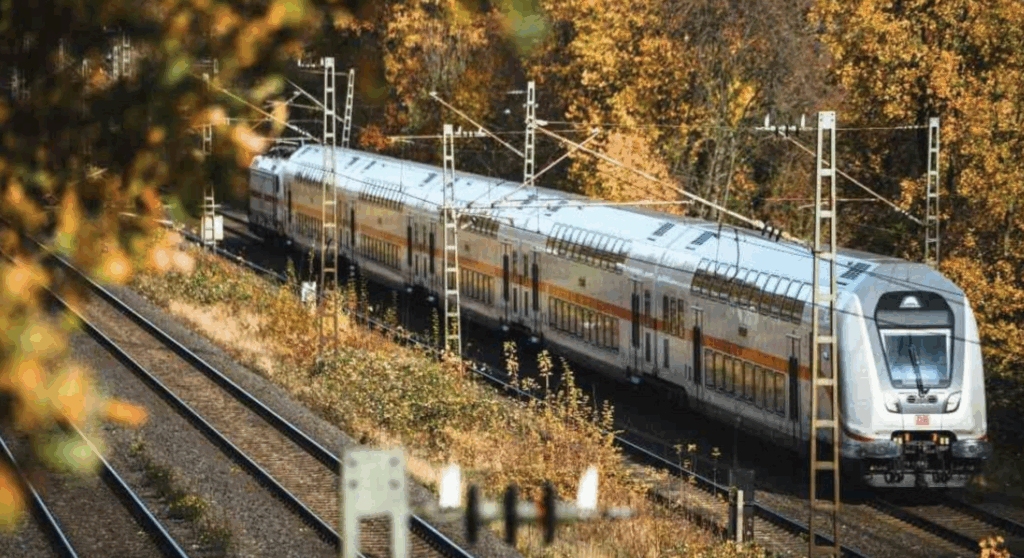
The ₹20,667 crore project was approved by the Cabinet Committee on Economic Affairs chaired by Prime Minister Narendra Modi. The 134-km double-line corridor is expected to be completed by 2030-31.
Railway Minister Ashwini Vaishnaw said the corridor will serve as a model for future semi high-speed rail projects across India.
Trains Could Travel At 220 kmph
The project is especially significant because it introduces a new category between traditional railways and bullet trains.
According to officials:
- Design speed: 220 kmph
- Operational speed: Around 200 kmph
- Travel time between Sarkhej and Dholera may reduce to just 34-48 minutes depending on service patterns
That is dramatically faster than current road travel times between the two regions.
The line is expected to support:
- High-speed regional commuting
- Business travel
- Airport connectivity
- Industrial logistics movement
Why Dholera Is So Important
The corridor is closely linked to Gujarat’s massive infrastructure ambitions around the Dholera Special Investment Region.
The rail line will connect:
- Ahmedabad
- Dholera SIR
- Upcoming Dholera International Airport
- Lothal National Maritime Heritage Complex
Dholera is being developed as:
- India’s largest greenfield smart city
- A manufacturing and industrial hub
- A major semiconductor and electronics investment zone
- Part of the Delhi-Mumbai Industrial Corridor (DMIC)
The new rail corridor is expected to accelerate:
- Industrial investments
- Real estate growth
- Employment generation
- Urban expansion around the region
Built Using Indigenous Technology
One of the biggest highlights is that the project will rely on indigenously developed railway technology rather than imported bullet train systems.
The government says this project could become:
- India’s first “desi” semi high-speed rail model
- A testing ground for future high-speed upgrades
- A reference for nationwide 200+ kmph corridors
Unlike the Mumbai-Ahmedabad Bullet Train project, which uses Japanese Shinkansen technology, this corridor will reportedly focus heavily on domestic engineering capabilities.
Massive Economic & Environmental Impact Expected
According to government estimates, the project could:
- Improve connectivity for around 284 villages
- Benefit nearly 5 lakh people directly
- Reduce oil imports by around 0.48 crore litres
- Lower CO₂ emissions by nearly 2 crore kilograms annually
Officials say the line will also:
- Improve logistics efficiency
- Support multimodal connectivity under PM Gati Shakti
- Reduce highway congestion
- Encourage sustainable transportation
India’s Railways Are Rapidly Moving Toward High-Speed Future
The Ahmedabad-Dholera corridor is part of a much larger railway transformation happening across India.
Indian Railways is simultaneously working on:
- Mumbai-Ahmedabad Bullet Train
- Vande Bharat expansion
- Namo Bharat regional rapid transit systems
- Semi high-speed corridor upgrades nationwide
The government has already indicated plans to gradually upgrade sections of India’s rail network for:
- 160 kmph operations
- 200 kmph semi high-speed corridors
- Future 220 kmph capability in select routes
Why This Project Matters
The Ahmedabad-Dholera corridor is more than just another railway line.
It represents:
- India’s attempt to build indigenous high-speed rail capability
- Faster integration between industrial smart cities and metro hubs
- The next step after Vande Bharat trains
- A bridge between conventional railways and full bullet trains
The bigger takeaway is clear:
India is no longer focusing only on isolated bullet train projects. The country is now building an entirely new layer of semi high-speed rail infrastructure that could eventually reshape regional travel across multiple states.