India has officially resumed crude oil imports from Iran for the first time since 2019, marking a major shift in the country’s energy strategy amid rising global oil disruptions and the ongoing West Asia crisis. According to reports and ship-tracking data, multiple tankers carrying Iranian crude recently reached Indian ports after the US temporarily relaxed sanctions on Iranian oil exports.
The development is significant because:
- India had completely stopped Iranian oil imports in May 2019 under US pressure
- Banking restrictions and sanctions had made payments nearly impossible
- Iran was once among India’s top three oil suppliers.
First Iranian Oil Cargoes Reached Indian Ports
According to Reuters and shipping data:
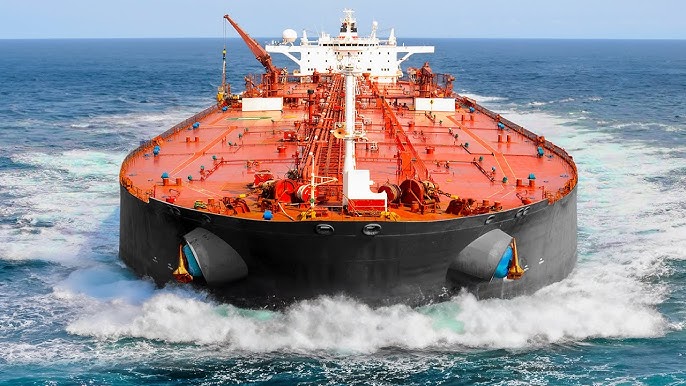
- The Iran-flagged tanker Felicity reached Sikka Port in Gujarat
- Another tanker, Jaya, arrived near Odisha’s Paradip coast
- Together, the shipments carried nearly 4 million barrels of crude oil.
A standard VLCC (Very Large Crude Carrier) typically transports:
- Around 2 million barrels of oil per shipment.
Reports suggest:
- Indian Oil Corporation (IOC)
- Reliance Industries
…were among the refiners involved in sourcing Iranian crude.
Why India Returned To Iranian Oil Now
The biggest reason is the ongoing energy crisis triggered by:
- The Iran-West Asia conflict
- Strait of Hormuz shipping disruptions
- Crude oil price spikes above $120/barrel earlier this year.
India imports:
- More than 85% of its crude oil needs
- Around 60% of LPG requirements through routes linked to the Strait of Hormuz.
As global supplies tightened, India urgently looked for:
- Alternative crude sources
- Discounted oil
- Stable long-term energy supply arrangements.
US Waiver Changed Everything
The purchases became possible after the United States temporarily relaxed sanctions on Iranian oil exports to ease global supply shortages.
According to reports:
- The waiver initially lasted around 30 days
- It allowed countries like India to resume limited Iranian oil purchases
- Payment channels reportedly faced “no hurdles.”
India’s Oil Ministry publicly stated:
“There is no payment hurdle for Iranian crude imports.”
That statement is important because:
- Earlier sanctions blocked dollar transactions
- Banks avoided Iran-linked payments
- Insurance and shipping restrictions complicated imports.
Iran Could Become Important Again For India
Before sanctions, Iran was one of India’s most strategic oil suppliers because:
- Iranian crude was relatively cheaper
- Tehran offered favorable payment terms
- Shipping costs were lower compared to distant suppliers.
Iran also remains strategically important for India because of:
- Chabahar Port connectivity
- Central Asia trade access
- Energy security diversification.
Recent data suggests Iran has already become:
- India’s fourth-largest crude supplier during parts of April 2026.
India’s Energy Strategy Is Rapidly Changing
The Iranian oil deal reflects a broader transformation in India’s energy policy.
India is simultaneously:
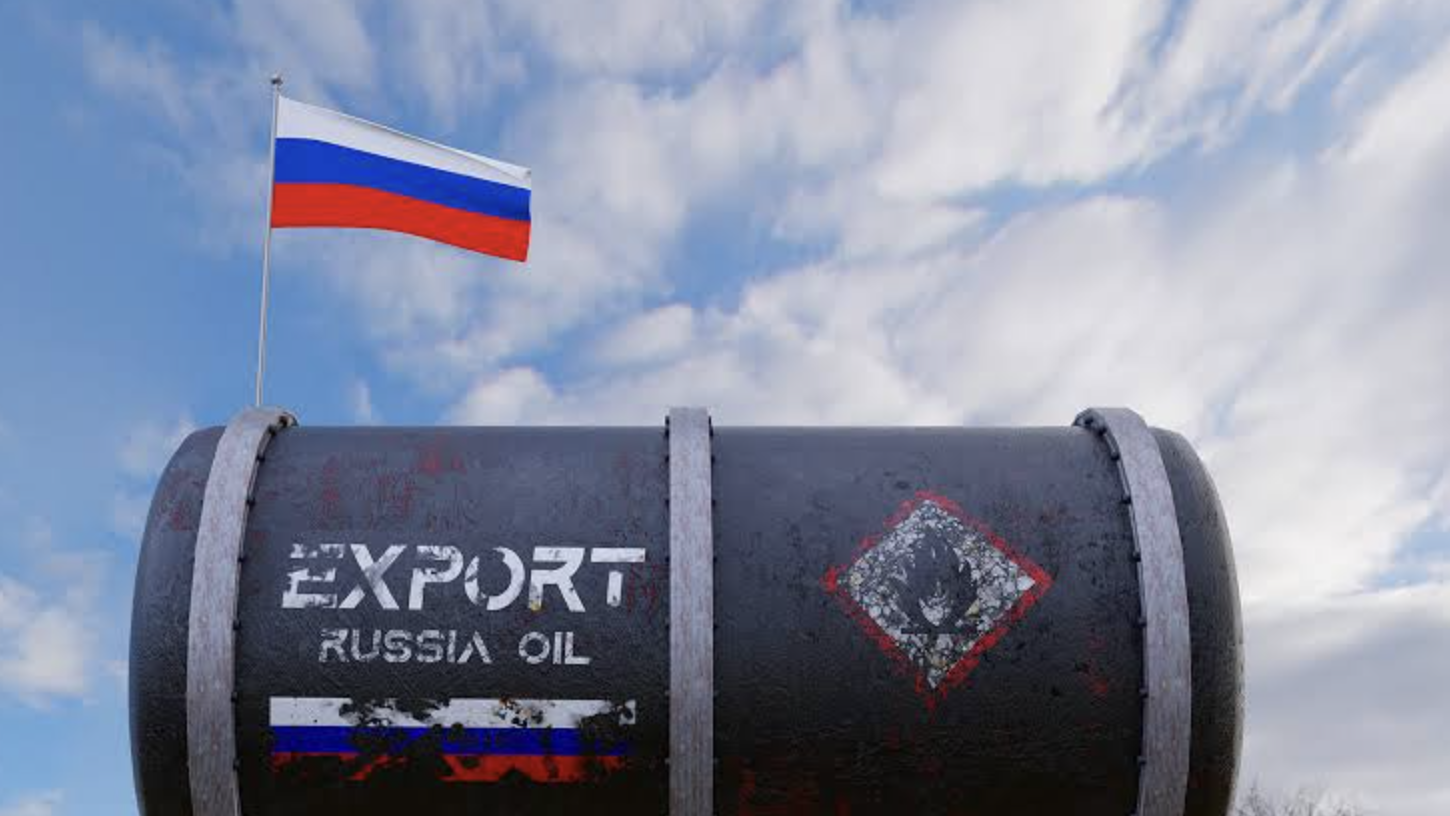
- Increasing Russian oil imports
- Diversifying suppliers across 40+ countries
- Expanding strategic petroleum reserves
- Pushing fuel-saving campaigns domestically.
The government has also launched:
- Fuel austerity measures
- Work-from-home advisories
- Reduced official travel initiatives amid rising import pressure.
Why This Matters Geopolitically
The return to Iranian oil is not just about energy — it is also geopolitically significant.
The move signals:
- Greater flexibility in India’s foreign policy
- India’s willingness to prioritize energy security
- Reduced dependence on traditional Western pressure mechanisms.
At the same time, India continues balancing relations with:
- United States
- Iran
- Russia
- Gulf nations simultaneously.
Bigger Picture: Global Energy Systems Are Shifting
The development highlights how rapidly global energy alliances are changing during geopolitical instability.
Countries are now prioritizing:
- Supply security
- Affordable energy access
- Strategic autonomy
- Diversified import networks.
For India, the bigger takeaway is clear:
Energy security has now become one of the country’s most critical national priorities — and New Delhi appears increasingly willing to make pragmatic geopolitical decisions to keep fuel flowing into the world’s third-largest oil-consuming economy.