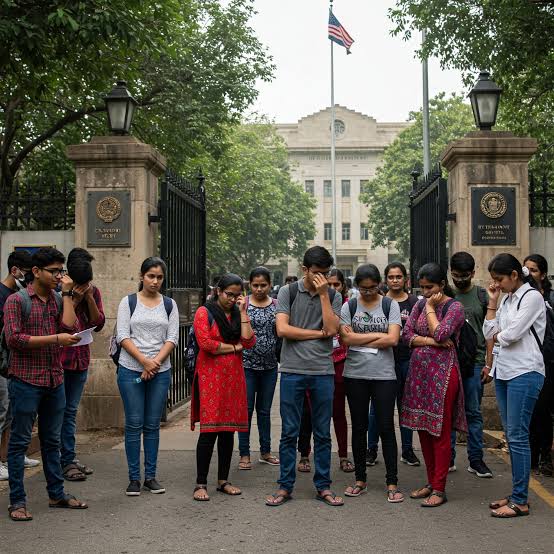
The central government is preparing to roll out new labour rules under the four labour codes, which could bring uniform minimum wages across India—a move aimed at preventing wage-related unrest like the recent Noida protests.
What Is The Big Change?
The key reform is the introduction of a “floor wage” at the national level.
- States will not be allowed to set minimum wages below this floor
- This will ensure baseline wage uniformity across India
- States can still set higher wages, but not lower
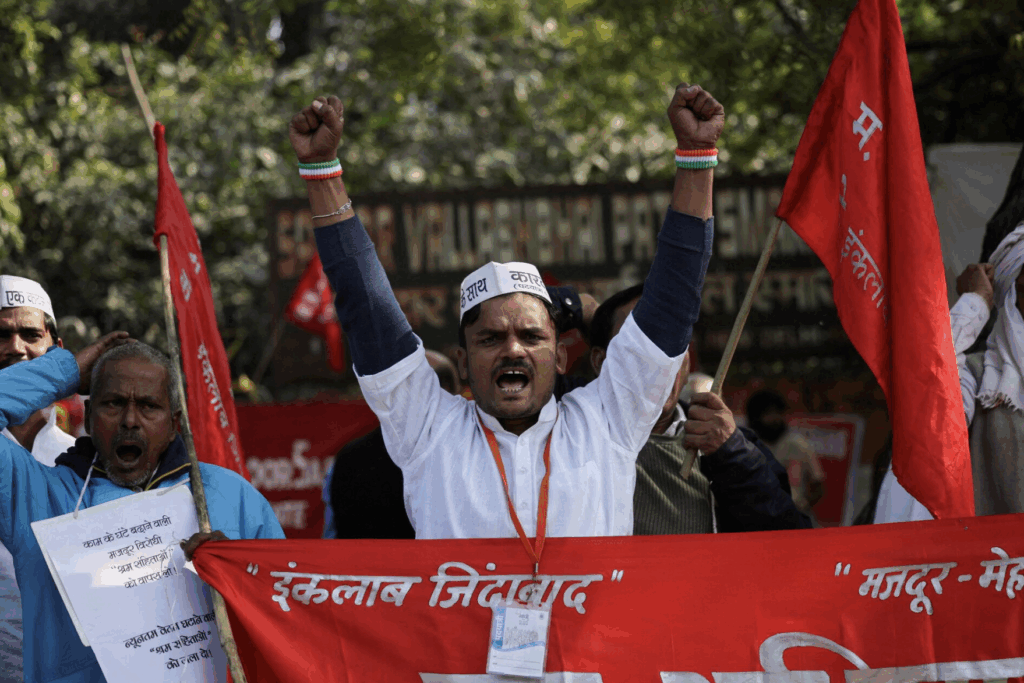
A government official said this step would help avoid situations like Noida, where wage disparities triggered protests.
Workers protested over low wages and poor working conditions
Large wage gaps between states (e.g., UP vs Haryana/Delhi) fueled anger
In Noida alone, thousands of workers took to the streets, with violence and arrests reported
The government believes a uniform wage floor can reduce such disparities and prevent future conflicts.
What Else Will Change Under New Labour Rules?
Along with uniform wages, the new rules will introduce:
- Mandatory appointment letters for workers
- Timely payment of wages
- Equal pay for equal work
- Standardized labour compliance across states
These are part of the broader implementation of the Code on Wages, 2019 and other labour codes.
Current Problem: Wage Inequality Across States
One of the biggest issues today is the huge variation in minimum wages:
- Workers in one state can earn almost double compared to another
- Industrial hubs like Noida saw lower wages than nearby regions
- This gap became a major trigger for protests
A national floor wage aims to fix this structural imbalance.
When Will These Rules Be Implemented?
- The Centre is expected to notify the rules in the coming weeks
- However, implementation depends on states aligning their labour laws
- Currently, only a few states have fully finalized their rules
Once notified, this could become one of the biggest labour reforms in recent years.
Bigger Picture: Shift Towards Standardisation
This move signals a major shift:
- From state-driven wage systems → national baseline framework
- From fragmented labour laws → unified labour codes
It aims to balance:
- Worker welfare
- Industrial stability
- Ease of doing business
Final Take
Uniform minimum wages could be a game-changing reform for India’s labour market.
If implemented effectively, it can:
- Reduce wage inequality
- Prevent industrial unrest
- Improve worker protection
But success will depend on state cooperation and enforcement on the ground.