Creators Can Earn Up To ₹1 Lakh Per Video
The Bihar government has introduced a new incentive for social media content creators who make videos explaining and promoting government schemes and programmes.
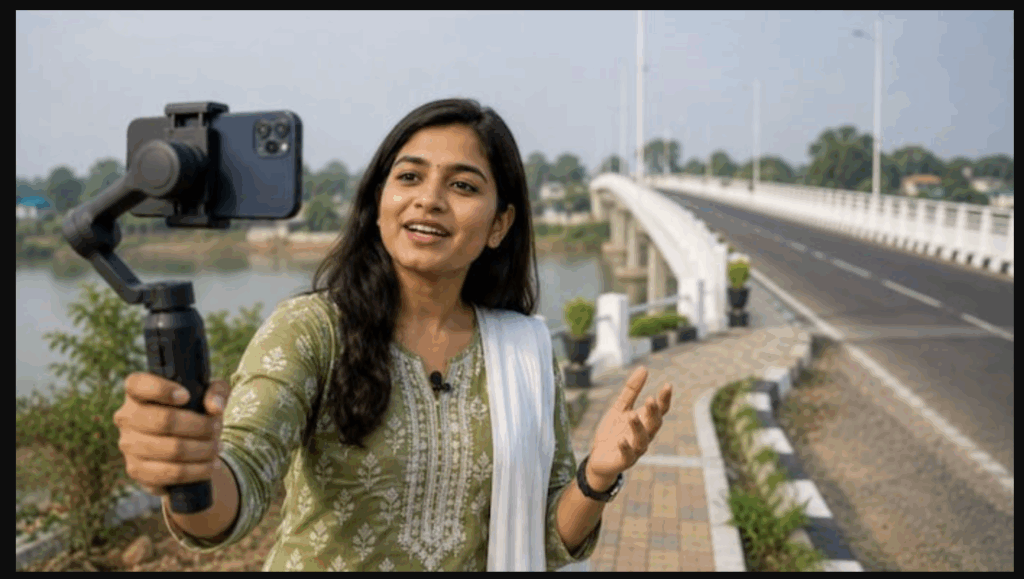
Under amended social media rules, eligible and empanelled creators can receive ₹10,000 for every 1 lakh views generated by an approved video.
The maximum payment has been capped at ₹1 lakh for a single video, meaning a video would need to achieve around 10 lakh eligible views to reach the maximum incentive.
Government Wants To Use Influencers For Public Outreach
The initiative is aimed at taking information about government schemes to a much wider audience through platforms such as YouTube and other social media networks.
Instead of relying entirely on traditional advertising, the government wants content creators to explain schemes in formats that are easier for people to understand and share.
This could include videos explaining eligibility criteria, application procedures, benefits and other information about government programmes.
₹10,000 For 1 Lakh Views
The incentive structure is based on the number of views generated by an eligible video.
At ₹10,000 per 1 lakh views, the potential earnings would work out as:
1 lakh views = ₹10,000
2 lakh views = ₹20,000
5 lakh views = ₹50,000
10 lakh views = ₹1 lakh
The payment is subject to the rules governing eligible content and verified views.
Not Every Viral Video Will Qualify
The policy does not mean that creators can simply make any video mentioning a Bihar government scheme and automatically receive money.
The incentive is intended for empanelled social media creators producing approved content related to government schemes and programmes.
The government has also specified conditions concerning the nature and display of the content.
This means creators will need to meet the eligibility and content requirements before they can claim the incentive.
Why Bihar Is Turning To Social Media Creators
Government schemes often involve complicated eligibility conditions and application procedures.
Even when substantial amounts of money are allocated to welfare programmes, many potential beneficiaries may not know that they are eligible or may not understand how to apply.
Social media creators can potentially bridge that information gap.
A short video in a regional language, for example, can explain a scheme more effectively to some audiences than a lengthy government notification.
The Move Could Create A New Creator Economy
The policy could create a new opportunity for Bihar-based content creators, YouTubers, influencers and digital publishers.
Creators who already have large audiences could potentially earn additional income by producing informative content about government programmes.
More importantly, smaller creators could also have an incentive to build audiences around useful public-service content.
For the government, the model effectively turns social media reach into a communication channel.
Bihar’s Social Media Rules Have Been Amended
The incentive comes through amendments to Bihar’s Social Media and Other Online Media Rules.
The amendments were approved by the state Cabinet as part of a broader set of decisions.
The revised framework expands the government’s ability to work with online media and social media creators for public communication.
Detailed provisions covering different categories and eligibility conditions are expected to be specified through the relevant notification.
There Is A Clear Financial Incentive For Going Viral
Traditional government advertising usually involves paying for advertising space or campaign distribution.
The Bihar model takes a different approach.
Instead of simply paying for exposure, the incentive is linked to the audience a piece of content actually reaches.
A creator therefore has a direct financial reason to make the content engaging enough to generate views.
The government, meanwhile, potentially gets greater reach for its public-awareness campaigns.
But The Model Also Raises Questions
The initiative is likely to generate debate over the use of public money to incentivise influencers.
One obvious question is how the government will ensure that the content remains factual and informative rather than becoming promotional material.
Another concern is whether creators could focus excessively on making videos go viral instead of accurately explaining government schemes.
The system will therefore require strong verification and content-monitoring mechanisms.
How Will Fake Views Be Handled?
The payment structure makes view verification particularly important.
If ₹10,000 is paid for every 1 lakh views, there could be an incentive for some creators to artificially inflate their numbers.
The government will therefore need reliable methods to distinguish genuine audience engagement from manipulated or purchased views.
The rules refer to eligible or verified views, suggesting that not every reported view will necessarily qualify for payment.
The Government Gets A New Digital Distribution Network
For Bihar, the initiative could effectively create a distributed network of independent digital communicators.
Instead of a single government department producing every piece of public-awareness content, hundreds of creators could potentially explain different schemes to their own audiences.
This could be particularly useful in reaching younger people who increasingly consume news and information through social media rather than newspapers or television.
Creators Could Become Scheme Explainers
The most useful outcome could come if creators focus on practical information.
For example, a video could explain who qualifies for a particular government benefit, which documents are required, where to apply and how long the process normally takes.
Such content could have genuine public value if it remains accurate and clearly distinguishes government information from personal opinion.
A New Way To Measure Government Outreach
The initiative also introduces a different way of thinking about public communication.
Instead of measuring a campaign simply by how much advertising space was purchased, the government can potentially measure how many people actually watched the resulting content.
That creates a more performance-oriented approach to digital outreach.
However, views alone do not necessarily mean that viewers understood a scheme or successfully accessed its benefits.
The effectiveness of the programme will ultimately depend on whether increased digital reach translates into greater awareness and utilisation.
Could Other States Follow Bihar?
If the model proves successful, other state governments could consider similar arrangements with digital creators.
India has one of the world’s largest social media audiences, and regional-language creators have become particularly influential outside major metropolitan areas.
Government departments could increasingly see creators as an extension of their public communication infrastructure.
That could turn government-scheme explainers into a new category of digital content.
₹1 Lakh Maximum Per Video
The most attractive part of the policy for creators is the ₹1 lakh maximum incentive.
A creator whose eligible video reaches 10 lakh views could potentially receive the maximum amount under the scheme.
That makes government-scheme content financially interesting for creators with established audiences.
However, the requirement for empanelment, approved content and verified views means the money is not simply guaranteed based on a video’s popularity.
Bihar’s Experiment With Influencer Marketing
Bihar’s decision represents an unusual intersection of government communication and the creator economy.
The state is effectively saying that if creators can successfully explain government programmes to large audiences, their reach has measurable value.
Whether the approach becomes a successful public-awareness model or triggers concerns over government-sponsored influencer content will depend largely on how transparently the programme is implemented.
For India’s growing creator economy, however, Bihar has opened an interesting new possibility: getting paid by the government for making useful content that people actually watch.
Summary
The Bihar government has approved a new incentive for empanelled social media creators who produce videos about government schemes and programmes. Under amended rules, eligible creators can receive ₹10,000 for every 1 lakh verified views, with payments capped at ₹1 lakh per video. The initiative aims to use YouTube and other social platforms to increase awareness of government programmes, particularly among younger and digitally connected audiences. Creators will have to meet eligibility and content requirements, meaning simply making a viral video about a government scheme will not automatically qualify for payment. The move could create a new source of income for influencers while giving Bihar a wider digital network for public outreach.