India’s intensified food safety crackdown is triggering a hiring surge across food companies, hotels, restaurants and other businesses as companies strengthen their internal compliance and quality-control teams.
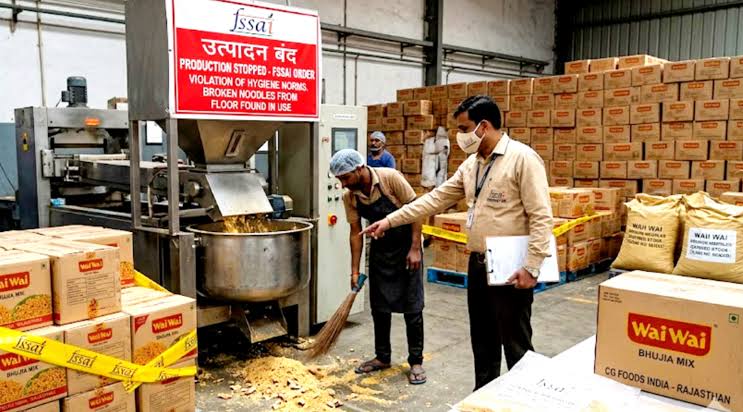
The heightened scrutiny from food regulators is pushing businesses to hire specialists who can continuously monitor hygiene, food handling, documentation and regulatory requirements rather than relying only on periodic external audits.
Food Safety Jobs Are Suddenly In Demand
Large packaged-food companies, restaurant chains, hotels and food startups are expanding recruitment for food safety, quality control, audit and regulatory compliance positions.
Companies including PepsiCo, LT Foods, Bikanervala, DLF Hospitality and Hilton have recently advertised roles connected with food safety and compliance.
The new positions include food safety officers, quality managers, hygiene auditors, regulatory affairs professionals and compliance specialists.
Why Companies Are Hiring More People
The hiring push follows increased inspections by the Food Safety and Standards Authority of India, Maharashtra FDA and other state food safety authorities.
Businesses are responding by strengthening their internal teams instead of depending entirely on external consultants or occasional inspections.
Companies are increasingly monitoring the complete food supply chain, including raw material sourcing, manufacturing, storage, packaging, kitchen hygiene and vendor compliance.
Restaurant operators are also conducting internal audits and circulating detailed compliance checklists among their outlets.
Restaurants And Hotels Under Greater Pressure
The impact is particularly visible among restaurant chains and hotels, where food safety compliance needs to be monitored across multiple locations.
Speciality Restaurants, which operates brands including Mainland China and Oh! Calcutta, has increased the number of trained food safety officers in cities including Mumbai, Bengaluru and Kolkata.
The company has also hired a senior food safety professional to oversee standards across its operations.
Hotels and restaurant groups are similarly strengthening internal inspection systems and employee training programmes.
Maharashtra Sees Intense Food Safety Action
Maharashtra has been at the centre of the recent enforcement drive.
Between September 1 and 23, the state’s FDA conducted 3,068 inspections, according to government data. During the exercise, 248 licences were suspended and 12 were cancelled.
The scale of inspections has also created additional demand for food safety professionals within businesses that want to identify problems before regulators do.
Earlier FDA data showed that thousands of food establishments had already been inspected across Maharashtra during the broader enforcement campaign.
Compliance Is Becoming A Full-Time Function
Food safety was traditionally treated by many businesses as a regulatory requirement handled by a relatively small team.
The latest crackdown is changing that approach.
Companies are now investing in dedicated employees who can monitor compliance continuously, train staff, conduct internal audits and ensure that corrective measures are implemented.
For food businesses, the cost of hiring these professionals could be significantly lower than the financial and reputational consequences of serious regulatory violations.
More Food Safety Jobs Could Follow
The increased recruitment could create a new employment opportunity within India’s food and hospitality industry.
As inspections become more frequent and food safety regulations evolve, companies are likely to require more professionals with expertise in food technology, quality assurance, hygiene management, regulatory affairs and compliance.
The current hiring surge suggests that food safety is rapidly moving from a back-office function to a strategic business priority.
Summary
India’s intensified FSSAI and state-level food safety inspections are triggering a hiring surge across packaged-food companies, restaurants and hotels. Businesses are recruiting food safety officers, quality managers, hygiene auditors and compliance specialists to strengthen internal monitoring. Companies are also increasing audits, staff training and vendor checks as regulatory scrutiny grows, turning food safety compliance into a major emerging employment category.