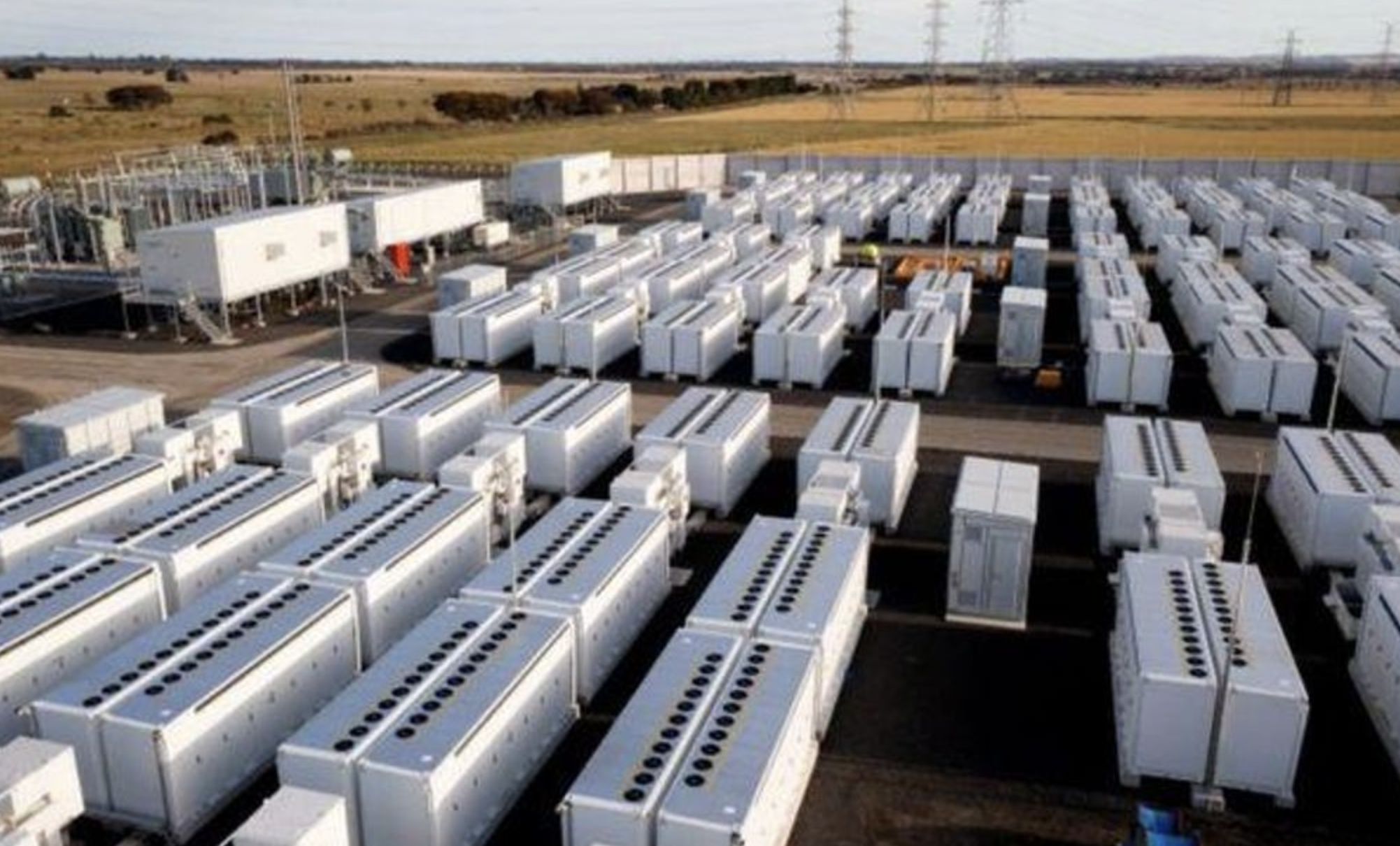


The Union Cabinet has approved a ₹14,500 crore Viability Gap Funding (VGF) scheme to accelerate the development of large-scale energy storage infrastructure across India. The initiative aims to support the creation of 92 gigawatt-hours (GWh) of new grid-scale energy storage capacity between financial years 2026-27 and 2030-31.
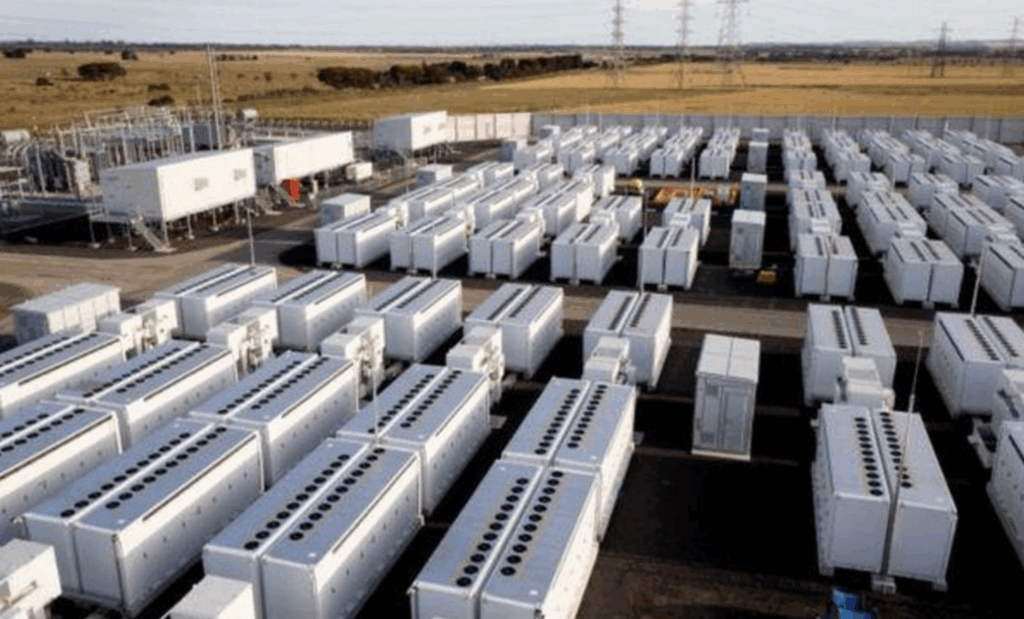
The scheme is designed to strengthen India’s electricity infrastructure, improve the integration of renewable energy and ensure a more reliable power supply. The proposed projects are expected to attract total investments of approximately ₹97,600 crore.
The approval comes as India expands its solar and wind energy capacity, increasing the need for infrastructure that can store surplus electricity and supply it when renewable generation falls or demand rises.
₹14,500 Crore Funding to Support Three Storage Technologies
The scheme will support three categories of energy storage projects, with the proposed 92 GWh capacity divided as follows:
- 60 GWh: Hydro Pumped Storage Plants (PSP).
- 30 GWh: Battery Energy Storage Systems (BESS).
- 2 GWh: Alternative and emerging energy storage technologies.
Pumped hydro storage uses electricity to pump water to an elevated reservoir when power is available. The water is then released through turbines to generate electricity when required.
Battery energy storage systems store electricity in rechargeable batteries and can supply power relatively quickly when demand increases or renewable generation declines.
The government expects the financial assistance to improve the commercial viability of these projects and encourage greater participation from developers.
India Targets 411 GWh of Storage Capacity by 2032
The 92 GWh capacity supported under the scheme would be equivalent to approximately 170% of India’s existing grid-scale energy storage capacity.
It will also contribute towards the country’s projected requirement of 411 GWh of grid-scale energy storage capacity by 2031-32.
Large-scale storage is becoming increasingly important as solar and wind power generation fluctuates depending on weather conditions and the time of day. Without adequate storage, surplus renewable electricity may not always be available when consumers and industries need it.
By storing excess electricity and releasing it during periods of higher demand, these projects could help stabilise the grid and reduce dependence on conventional power generation for balancing supply.
40% Domestic Content Requirement for Battery Projects
The scheme also includes measures to strengthen India’s domestic battery manufacturing ecosystem.
Battery Energy Storage System projects will be required to meet a minimum Domestic Content Requirement (DCR) of 40%. The provision is intended to encourage local manufacturing, create opportunities for Indian companies and reduce dependence on imported components.
The government expects the initiative to complement existing manufacturing incentives and support the development of a stronger domestic energy storage supply chain.
How Will Projects Receive Government Support?
Energy storage capacity under the scheme will be allocated through a tariff-based competitive bidding process.
Public and private sector electricity distribution companies will be eligible for viability gap funding for battery storage and pumped hydro projects. Projects involving alternative storage technologies will be implemented by both public and private sector entities.
Viability Gap Funding is government financial assistance designed to make infrastructure projects commercially feasible when their expected revenues are insufficient to attract investment on their own.
The ₹14,500 crore allocation is therefore intended to reduce financial barriers, encourage private investment and speed up the development of India’s energy storage infrastructure.
The programme is expected to support renewable energy expansion, improve grid reliability and strengthen India’s long-term energy security.