Air India is reportedly preparing significant cost-cutting measures as the airline struggles with rising fuel prices, geopolitical instability, airspace disruptions, and mounting financial pressure linked to the ongoing Iran conflict. Reports suggest the Tata Group-owned airline may soon announce salary cuts for senior executives, lower bonuses, flight reductions, and possible furloughs for some employees.
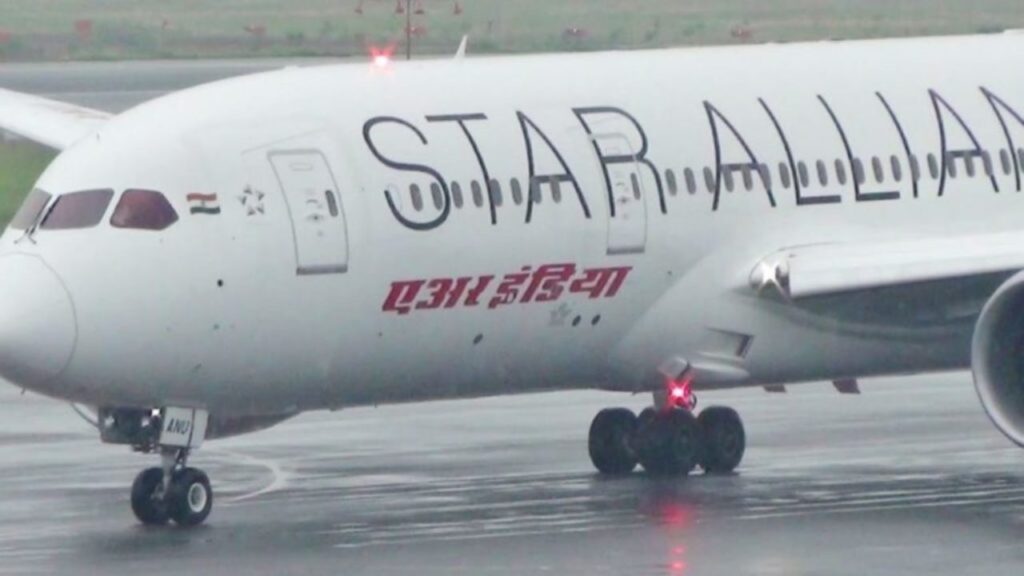
The developments mark one of the clearest signs yet of how the ongoing West Asia crisis is now directly affecting India’s aviation industry.
Air India Considering Major Cost-Cutting Measures
According to reports, discussions during a recent Air India board meeting included:
- Pay cuts for employees at vice president level and above
- Lower performance bonuses
- Furloughs for non-technical staff
- Sharp reductions in flight operations
- Strict control on discretionary spending
The airline is reportedly considering reducing flight capacity by more than 20% over the next three months if conditions fail to improve.
Air India has not officially confirmed all details publicly yet.
Flight Reductions Already Underway
Reports indicate Air India has already started reducing operations on multiple international and domestic routes due to rising operating costs.
The airline is reportedly planning to cut around:
- 100 flights daily
…across domestic and international networks.
Major route reductions are expected on:
- Europe routes
- North America flights
- Australia services
- Middle East sectors
Industry-wide flight reductions are also being discussed by other Indian carriers as fuel prices continue rising sharply.
Iran War And Airspace Closures Hitting Airlines Hard
The airline industry globally has come under pressure due to the Iran conflict and related airspace restrictions.
For Air India, the situation is particularly difficult because:
- Pakistani airspace restrictions have forced longer flight routes
- Middle East airspace disruptions increased operational complexity
- Jet fuel prices surged sharply
- Flight durations became longer
- Fuel consumption increased substantially
According to reports:
- International jet fuel costs were reportedly 63% higher compared to pre-war levels
- Domestic aviation fuel costs also rose significantly
Fuel can account for nearly 40% of airline operating expenses, making airlines extremely vulnerable to oil price spikes.
Air India Already Facing Financial Stress
The crisis comes at a difficult time for Air India, which has already been dealing with:
- Large financial losses
- Operational restructuring
- Fleet modernization costs
- Safety scrutiny
- Leadership transition challenges
Reports suggest the airline recorded:
- More than ₹22,000 crore in losses during the last financial year
Singapore Airlines, which owns a 25.1% stake in Air India, has also reportedly seen its earnings impacted by Air India’s losses.
Campbell Wilson’s Exit Adds To Uncertainty
The turbulence also comes shortly after Air India CEO Campbell Wilson resigned in April 2026.
The airline is currently searching for a new CEO at a time when the company is simultaneously dealing with:
- Financial restructuring
- International route disruptions
- Operational pressure
- Competitive airline market conditions
No Layoffs Planned Yet, Says Air India
Despite discussions around furloughs and cost control, Air India has reportedly assured employees that no mass layoffs are currently planned.
However, the airline has asked departments to:
- Reduce expenses aggressively
- Freeze discretionary spending
- Tighten operational budgets
The company reportedly described the situation as requiring “strict financial discipline” amid volatile global conditions.
Indian Aviation Sector Under Pressure
The challenges are not limited to Air India alone.
Indian airlines broadly are now facing:
- Rising fuel costs
- Weak passenger demand on some routes
- Airspace disruptions
- Higher operational costs
- Global geopolitical instability
Airlines have also reportedly asked the Indian government to:
- Relax airfare restrictions
- Provide operational flexibility
- Support carriers facing fuel cost spikes
Why Fuel Prices Matter So Much For Airlines
Airlines are among the industries most sensitive to fuel price volatility.
Even small increases in aviation turbine fuel (ATF) prices can heavily impact:
- Profit margins
- Ticket pricing
- Route profitability
- Fleet utilization
Combined with:
- Longer rerouted flights
- Airspace restrictions
- Weak global travel sentiment
…the financial strain becomes much worse for airlines already operating on thin margins.
Could Ticket Prices Rise Further?
Industry experts believe the ongoing aviation crisis could eventually lead to:
- Higher airfares
- Reduced flight frequencies
- Lower route availability
- Delays in fleet expansion plans
Several global airlines have already started:
- Cancelling flights
- Cutting schedules
- Adjusting summer operations
…due to the fuel and geopolitical crisis.
For Indian passengers, this could mean:
- More expensive international tickets
- Reduced direct flight options
- Longer travel times on certain routes
Air India’s Transformation Faces Toughest Test Yet
Since returning to Tata Group ownership, Air India has aggressively pursued:
- Fleet expansion
- Brand overhaul
- Aircraft orders
- Service improvements
- International growth ambitions
However, the current geopolitical and fuel crisis may now become one of the biggest tests for the airline’s turnaround strategy.