India’s aviation sector is now feeling the direct impact of the global fuel and geopolitical crisis. Air India has announced temporary suspension and reduction of services on 29 international routes between June and August 2026 due to record-high jet fuel prices, Middle East conflict disruptions, and airspace restrictions.
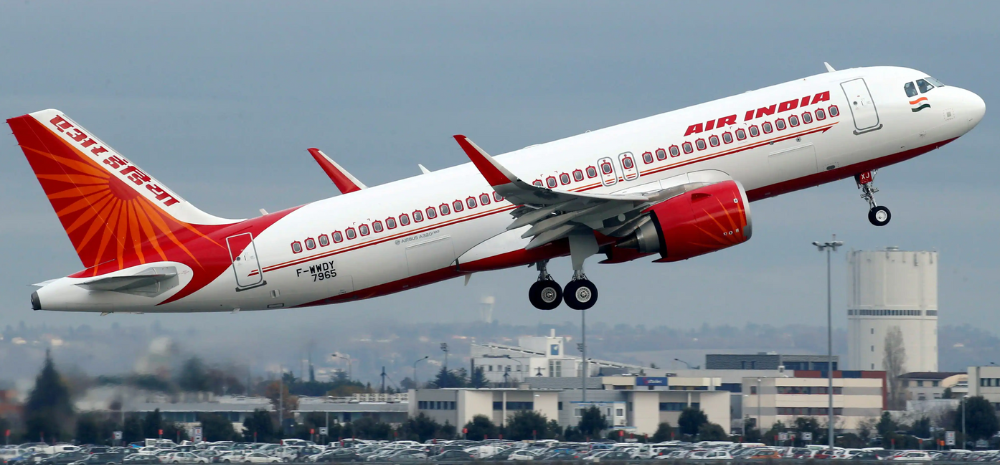
The Tata Group-owned airline said the changes are aimed at:
- Improving operational stability
- Reducing financial losses
- Avoiding last-minute cancellations
- Managing longer flight durations caused by restricted airspace
The move marks one of the biggest international route rationalizations by an Indian airline in recent years.
Which Routes Are Affected?
According to reports, affected routes span:
- North America
- Europe
- Australia
- Southeast Asia
- Far East destinations
- SAARC regions
Major changes include:
Suspended Routes
- Delhi–Chicago
- Delhi–Shanghai
- Chennai–Singapore
- Mumbai–New York (JFK)
- Delhi–Newark
Reduced Frequencies
- Delhi–San Francisco
- Delhi–Toronto
- Delhi–Vancouver
- Delhi–Paris
- Delhi–Rome
- Delhi–Zurich
- Delhi–Vienna
- Delhi–Copenhagen
- Delhi–Bangkok
- Delhi–Kuala Lumpur
- Delhi–Melbourne
- Delhi–Sydney
Even busy routes like Singapore and Bangkok are seeing major cuts, reflecting how severe operational pressures have become.
Why Air India Is Taking This Extreme Step
The biggest reason is the ongoing West Asia conflict and instability around Iran.
Because of:
- Airspace closures
- Restricted flight corridors
- Longer rerouted journeys
Airlines are burning significantly more fuel per flight.
At the same time:
- Brent crude prices remain above $100
- Aviation turbine fuel (ATF) costs have surged sharply
- The Indian rupee has weakened against the US dollar
That combination is proving devastating for airline economics.
Reuters reported that Air India’s losses for FY2025-26 could exceed $2.1 billion amid the fuel shock and operational disruptions.
Pakistan Airspace Ban Made Things Worse
Indian airlines are also still dealing with Pakistan’s airspace restrictions for Indian carriers.
This forces many international flights to:
- Take longer northern routes
- Consume additional fuel
- Increase crew and operational costs
- Extend journey times by several hours
Some US-bound Air India flights are reportedly taking almost five hours longer than before.
Foreign Airlines Are Benefiting
Interestingly, while Air India cuts flights, foreign airlines are rapidly expanding in India.
Reuters reported that carriers like:
- Lufthansa Group
- Cathay Pacific
- KLM
- Swiss
…are increasing services and gaining market share as Air India scales back operations.
Foreign airlines’ share of India’s international traffic reportedly rose to 58.4% between March and May 2026, compared to 51.2% a year earlier.
This is becoming a serious strategic challenge because Air India has been aggressively trying to position itself as a global aviation hub carrier under Tata Group ownership.
Air India Says Over 1,200 International Flights Will Continue
Despite the reductions, Air India said it will still operate:
- Over 1,200 international flights monthly
- 33 weekly North America flights
- 47 weekly Europe flights
- 57 weekly UK flights
- 8 weekly Australia flights
The airline also warned that further schedule changes may happen if the “extraordinary operating environment” continues.
Why This Matters For India
India is one of the world’s fastest-growing aviation markets, and international travel demand has been booming post-pandemic.
But this crisis reveals how vulnerable aviation remains to:
- Oil shocks
- Currency depreciation
- Geopolitical conflicts
- Airspace restrictions
For passengers, the impact may include:
- Higher airfares
- Fewer direct international connections
- Longer travel times
- Reduced seat availability during peak seasons
The bigger concern, however, is strategic:
If Indian airlines continue struggling with fuel costs and geopolitical disruptions while foreign carriers expand aggressively, India risks losing market share in international aviation just as its global travel demand is exploding.