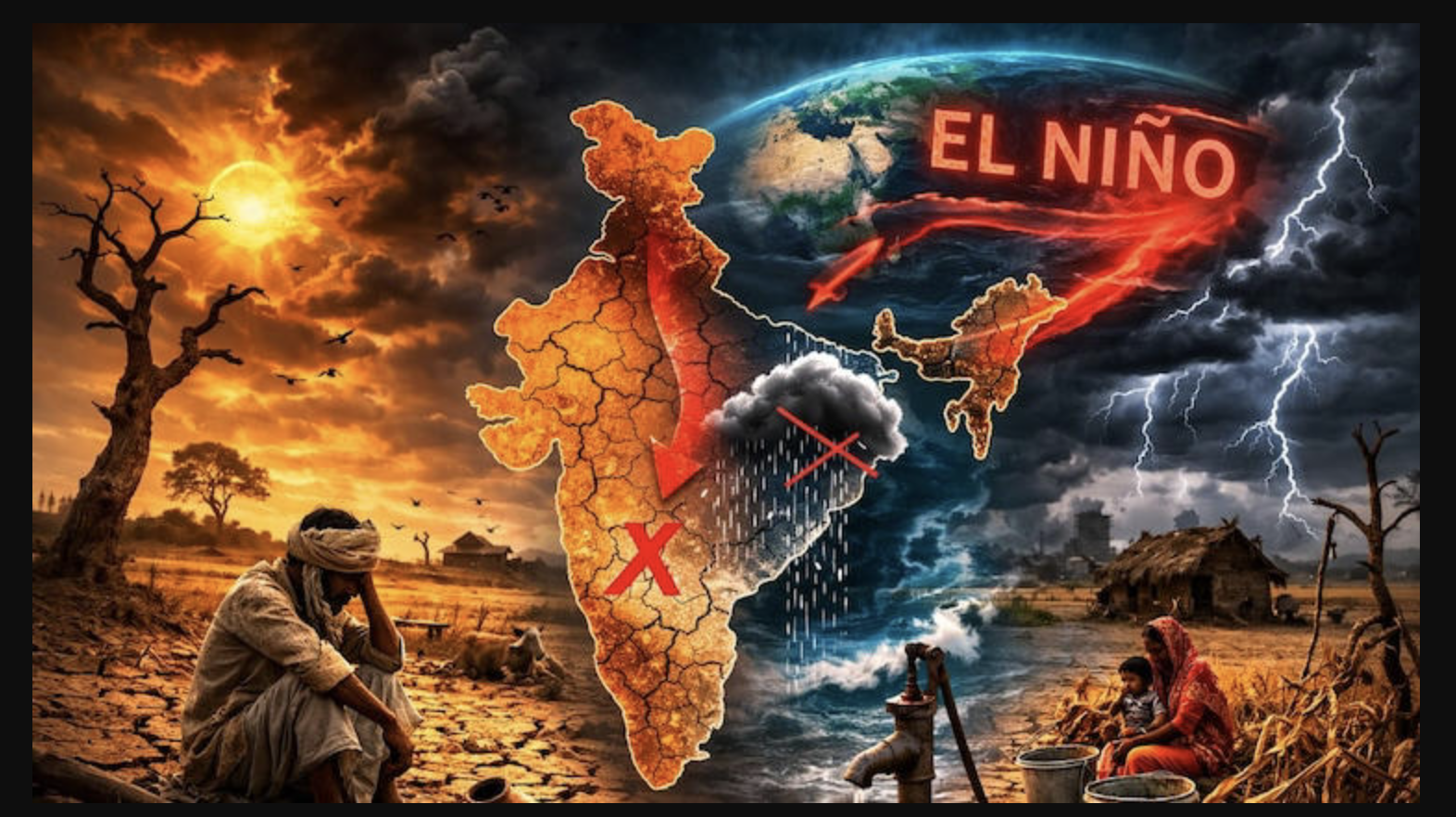
The US House of Representatives has passed a sweeping Russia sanctions bill that could give President Donald Trump the authority to impose tariffs of up to 100% on major buyers of Russian oil and natural gas, including India.
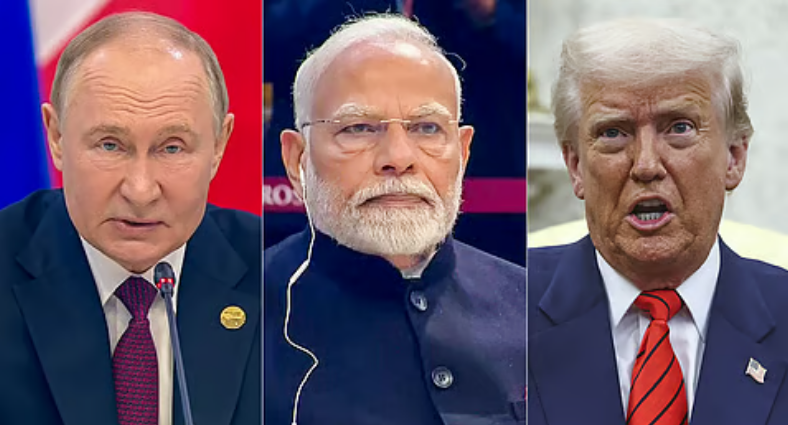
The legislation, formally called the Lindsey O. Graham Sanctioning Russia and Iran Act of 2026, was approved by a 262-159 vote on September 16. It now moves to Trump’s desk after previously receiving Senate approval.
India Could Face Higher US Tariffs
The bill creates a potential new route for Washington to impose steep tariffs on countries that continue purchasing Russian energy.
India and China are among the world’s largest buyers of Russian crude, making them particularly relevant to the legislation. The tariff authority could cover the five largest importers of Russian oil or natural gas, subject to the conditions specified in the bill.
Importantly, the 100% tariff is not an automatic charge on India. The legislation would give Trump the authority to impose tariffs of up to that level. Any actual tariff would depend on a future presidential decision and the conditions under which the authority is exercised.
Bill Targets Russia’s Energy Revenue
The legislation is designed to increase economic pressure on Moscow by targeting Russian officials, financial institutions and the country’s energy sector.
It also includes measures against Russia’s so-called shadow fleet — vessels used to transport Russian oil and help circumvent existing sanctions.
The objective is to reduce the revenue Russia receives from energy exports and increase pressure over its war in Ukraine.
Senate Had Already Approved the Bill
The Senate passed the legislation in August by an 86-11 vote, but the measure subsequently faced delays in the House.
The final House vote attracted bipartisan support, with 58 Democrats joining most Republicans in backing the bill. Much of the Democratic opposition focused on the broad tariff powers it would provide to the president.
The legislation is named after the late Senator Lindsey Graham, who had spent more than a year building support for tougher measures against Russia.
What It Means for India
For India, the legislation creates another potential source of uncertainty for its trade relationship with the US.
India has maintained that its crude oil purchases are driven primarily by commercial considerations, energy security and the need to maintain stable supplies. Russian oil has become an important component of India’s crude import basket since Western sanctions reshaped global energy markets.
If Trump ultimately uses the new authority against India, Indian exports to the US could face substantially higher duties. However, the immediate passage of the bill does not itself impose a new 100% tariff.
Summary
The US House has passed the Lindsey O. Graham Sanctioning Russia and Iran Act of 2026 by 262-159, sending it to President Trump. The legislation could allow tariffs of up to 100% on major buyers of Russian oil and gas, including India. The tariff would not be automatic and would require a separate decision by the US administration.