YouTube Targets Reuploaded Shorts
YouTube is changing the way its Shorts recommendation system works, and channels built primarily around reposting other people’s videos could soon see a major drop in reach.
The platform has announced that it will prioritise original content in the Shorts feed while reducing the distribution of videos that simply reuse content from other creators without adding anything meaningful.
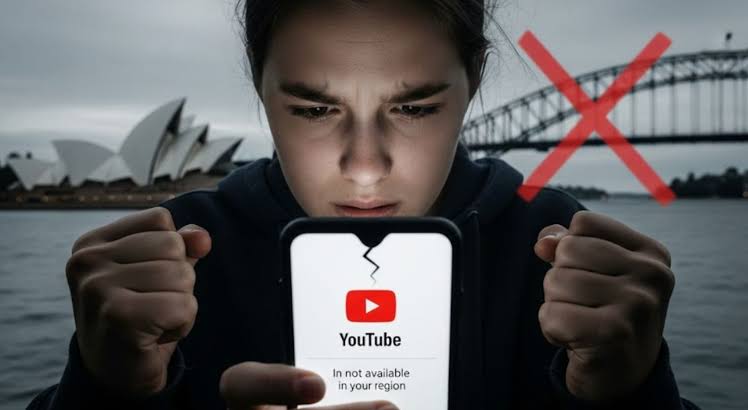
The move targets a growing ecosystem of channels that take clips from podcasts, interviews, livestreams and long-form videos and republish them as Shorts.
Clipping Is Not Being Banned
YouTube is not banning all clipped content.
Creators can still use portions of another person’s video if they add meaningful original value. This could include commentary, unique editing, storytelling or a distinct perspective.
The key difference is whether the creator is simply repackaging someone else’s content or actually transforming it into something new for viewers.
YouTube specifically warned against minor technical changes or template-based edits designed only to make reused content appear different.
Clip Channels Could Lose Visibility
The biggest impact is expected to be on channels whose content is primarily made up of reuploads.
A channel that regularly takes a popular podcast conversation, cuts out a 30-second segment and uploads it without commentary could see those Shorts receive less exposure in the recommendation feed.
The videos may still remain available on YouTube, but appearing less frequently in recommendations could significantly reduce views and traffic.
For channels that depend heavily on viral clips for audience growth, the change could therefore have a substantial impact.
Original Creators Get An Advantage
YouTube says the update is intended to give creators who produce original content a better chance of reaching viewers.
The company wants its recommendation system to surface content that provides something genuinely new rather than repeatedly showing users the same footage uploaded by different accounts.
This could also reduce the repetitive nature of the Shorts feed, where the same interview moment or viral clip can appear dozens of times through different accounts.
Creators Using Clips Still Have A Path
The new approach does not mean creators have to stop using clips altogether.
Commentary channels, reaction creators, educational accounts and storytellers can continue incorporating footage from other sources when they add substantial original input.
For example, simply showing a celebrity’s interview clip may be considered low-value reuse, while analysing the statement, providing context and adding original narration could make the Short substantially different.
No Fixed Formula Has Been Announced
YouTube has not provided a specific percentage or numerical threshold for how much original content a Short must contain.
It has also not said that every video containing reused footage will automatically lose reach.
Instead, the focus appears to be on the overall behaviour of a channel and whether it primarily aggregates or reuploads content without significant changes.
A Major Shift For The Shorts Economy
The change could reshape an entire category of YouTube Shorts channels that have built audiences by clipping content from larger creators.
For original creators, it could mean more visibility and fewer accounts competing with them using almost identical footage.
For clip channels, the message is clear: simply cutting and reposting someone else’s content may no longer be enough to win the Shorts algorithm.
Summary
YouTube is updating its Shorts recommendation system to prioritise original content and reduce the reach of channels that primarily reupload other creators’ videos without meaningful changes. Clipping is not being banned, and creators can still use footage when they add genuine commentary, editing, storytelling or a unique perspective. The change could significantly affect channels built around low-effort reposted Shorts.