7-Eleven Exits India After Five Years
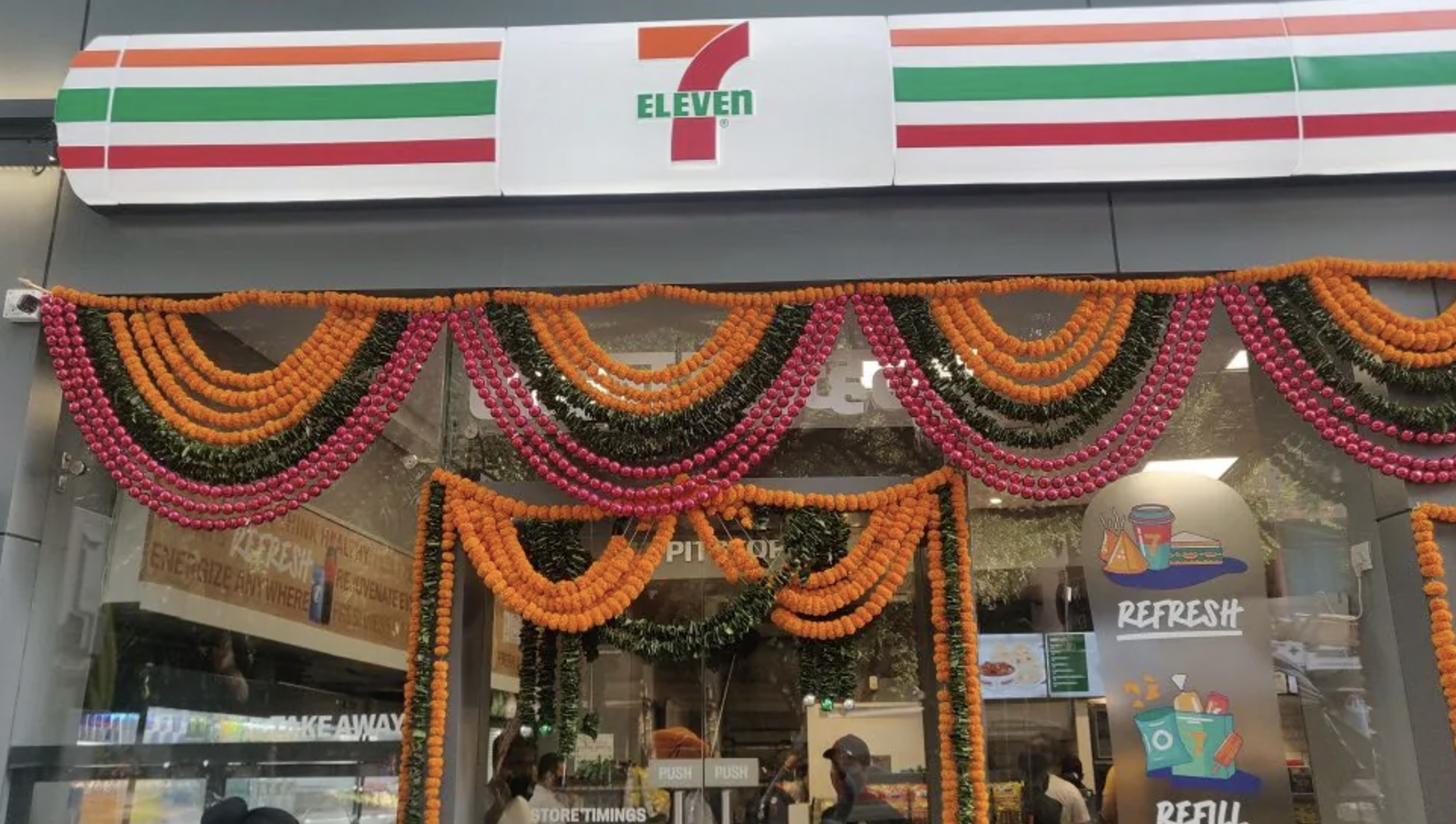
Reliance Retail has shut down all 7-Eleven convenience stores in India following the end of its five-year franchise agreement with the global convenience-store chain.
The partnership, which began in 2021, had brought the 7-Eleven brand to India through Reliance’s retail network. However, the business struggled to achieve the scale and profitability needed to sustain the format.
Seven & i Holdings, the Japanese parent of 7-Eleven, has confirmed that all 31 remaining outlets were closed by September 30, 2026.
Around 60 Stores At Peak
Reliance Retail had operated nearly 60 stores under the 7-Eleven brand at its peak, primarily across Mumbai and Pune.
However, around half of those outlets had already been closed before the final shutdown. The remaining stores were subsequently wound down as the franchise agreement reached its five-year expiry.
The first 7-Eleven outlet in India opened in Andheri East, Mumbai, in October 2021.
Employees associated with the business are reportedly being absorbed into Reliance Retail’s other grocery and neighbourhood retail operations.
Business Struggled To Make Money
The financial performance of the 7-Eleven India business highlights the difficulty of making the convenience-store model profitable in the country.
The 7-India Convenience Retail venture reported revenue of around Rs 92 crore for the financial year ended March 2026. However, it recorded a net loss of nearly Rs 90 crore during the same period.
The relatively small store network meant the business struggled to achieve the scale required to offset expenses such as rentals, staffing, inventory and logistics.
Quick Commerce Adds More Pressure
India’s retail environment has also changed considerably since 7-Eleven entered the market.
Consumers already have access to millions of neighbourhood kirana stores for everyday purchases. At the same time, quick-commerce platforms have expanded rapidly, offering groceries, snacks and other essentials within minutes.
This has made it increasingly difficult for standalone convenience stores to compete on either price or convenience.
The 7-Eleven model, which has been highly successful in markets such as Japan, has therefore faced a very different competitive environment in India.
Reliance Focuses On Other Retail Formats
The closure allows Reliance Retail to redirect resources towards formats where it sees greater opportunities for scale.
The company continues to expand businesses such as Smart Bazaar, Smart Point and JioMart, while also increasing its focus on digital commerce and hyperlocal delivery.
For Reliance, the 7-Eleven partnership was ultimately a relatively small experiment within a much larger retail operation.
Will 7-Eleven Return To India?
The end of the Reliance partnership does not necessarily mean that 7-Eleven has permanently abandoned India.
The Japanese parent has indicated that it continues to have ambitions for the Indian market and could explore other options for establishing a presence in the country.
However, any future expansion is likely to require a business model better suited to India’s highly competitive neighbourhood retail market.
Summary
Reliance Retail has shut down all 7-Eleven stores in India after its five-year franchise agreement ended. The remaining 31 outlets were closed by September 30, while the business had operated nearly 60 stores at its peak, mainly in Mumbai and Pune. The venture reported around Rs 92 crore revenue but nearly Rs 90 crore loss in FY26, highlighting the challenges of India’s convenience-store market.