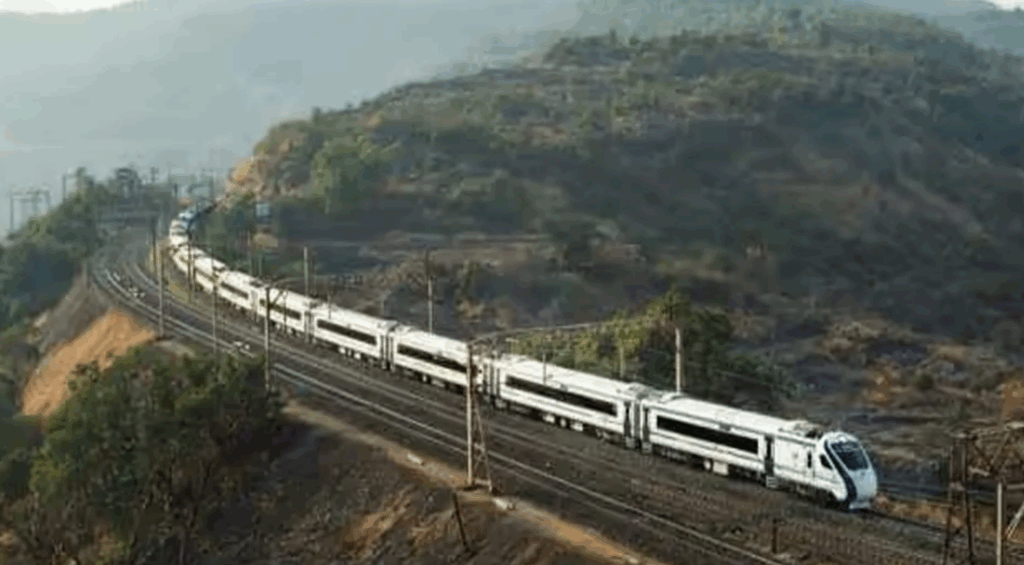
India is taking a major step toward high-speed rail with Chennai’s Integral Coach Factory (ICF) set to manufacture two advanced trainsets capable of running at 220 km/h, marking a big leap from current Vande Bharat speeds.
What Is Being Developed?
- Two high-speed trainsets are being built
- Running speed: 220 km/h
- Maximum speed: Up to 250 km/h
- Based on the Vande Bharat platform
- Built on standard gauge tracks
These trains are part of India’s push to develop indigenous high-speed rail technology.
Why This Is Important
Currently, India’s fastest operational trains (like Vande Bharat) run at 160–180 km/h.
This new project will:
- Bridge the gap between semi-high-speed and bullet trains
- Reduce dependence on foreign technology
- Strengthen “Make in India” in railways
Where Will These Trains Run?
These trains are expected to be used on future high-speed corridors, including projects like:
- Mumbai–Ahmedabad bullet train route
- Upcoming standard gauge high-speed networks
The idea is to create a homegrown alternative to Japanese Shinkansen trains.
Key Features Expected
- Steel body construction for durability
- 8-coach trainsets
- Advanced propulsion systems
- Designed for high-speed stability and safety
Bigger Picture: India’s Rail Transformation
This development is part of a larger shift:
- From 160 km/h trains → 220+ km/h capability
- From imported tech → indigenous manufacturing
- From conventional rail → high-speed ecosystems
India is gradually building the capability to design and produce its own bullet train technology.
Final Take
These 220 km/h trainsets may not be full bullet trains yet, but they represent a critical stepping stone.
If successful, India could soon have:
- Faster intercity travel
- Reduced journey times across major cities
- A strong domestic high-speed rail industry