US President Donald Trump has announced a phased tariff plan for imported generic medicines, proposing to keep tariffs at 0% for the next two years, followed by a 100% tariff for one year and 200% thereafter. The proposal is intended to encourage pharmaceutical companies to shift manufacturing to the United States, but it has also raised concerns about its potential impact on India’s pharmaceutical exports.
India is the world’s largest supplier of generic medicines to the US, making the proposal particularly significant.
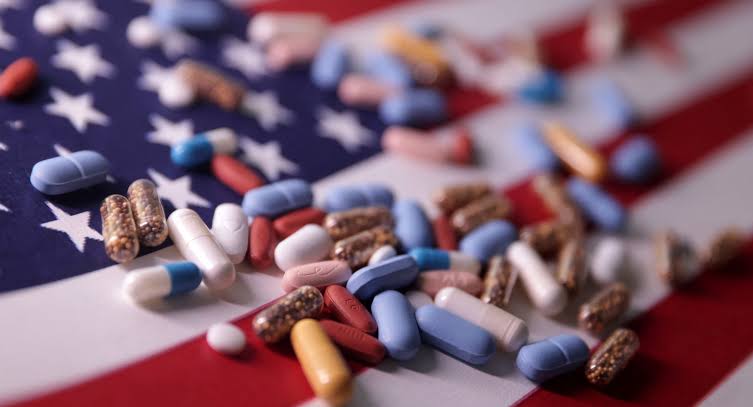
What Trump Has Proposed
According to the announcement, imported generic medicines entering the US from August 1, 2026, will continue to enjoy zero tariffs until August 2028. Beginning in August 2028, imports would attract a 100% tariff for one year, which would then increase to 200% from the third year onward.
Trump said the phased approach is designed to give pharmaceutical companies sufficient time to establish manufacturing facilities in the US while penalising those that continue producing medicines overseas.
Why India Could Be Affected
The United States is India’s largest pharmaceutical export market, with Indian companies supplying a substantial share of generic medicines used by American patients. Affordable Indian generics play a crucial role in treating conditions such as diabetes, hypertension, cancer and infectious diseases.
If the proposed tariffs are eventually implemented, exporters that rely heavily on the US market could face increased costs and pricing pressure. However, analysts note that many Indian generics remain significantly cheaper than branded alternatives, meaning a portion of the additional cost could ultimately be borne by US healthcare providers, insurers and consumers. :contentReference[oaicite:2]{index=2}
Industry Sees No Immediate Panic
Despite the headline figures, pharmaceutical industry experts believe there is no immediate cause for alarm because the proposal provides a two-year transition period. Several leading Indian drugmakers already operate manufacturing facilities in the United States, while others have time to evaluate supply chain adjustments and investment plans.
Industry representatives have also pointed out that large-scale relocation of generic drug manufacturing to the US would be commercially challenging due to higher production costs.
Trade Talks Could Influence The Outcome
Indian government officials and the pharmaceutical industry are closely monitoring the proposal while continuing trade discussions with the United States. Many observers believe the tariff announcement may also serve as a negotiating tool in broader bilateral trade talks rather than representing the final policy.
The final structure, timeline and implementation of the tariffs could still evolve depending on future negotiations between the two countries.
Long-Term Outlook
If implemented in its current form, the proposed tariffs could reshape global pharmaceutical supply chains and encourage additional investment in US manufacturing. At the same time, the move could increase medicine prices in the United States, given the country’s heavy dependence on affordable imported generic drugs.
Indian pharmaceutical companies are expected to closely watch policy developments while exploring diversification into other international markets and expanding local manufacturing where commercially viable.
Summary
Donald Trump has proposed a phased tariff regime for imported generic medicines, keeping tariffs at zero for two years before increasing them to 100% and eventually 200%. While the proposal could affect India’s pharmaceutical exports to the US in the long run, industry experts believe the transition period, ongoing trade negotiations and the cost advantage of Indian generics provide time for companies to adapt.