




India is set to introduce a major change to mobile phone calls from November 1, 2026. The Department of Telecommunications (DoT) has directed telecom operators to display the caller’s registered name alongside their phone number through a system called Calling Name Presentation (CNAP).
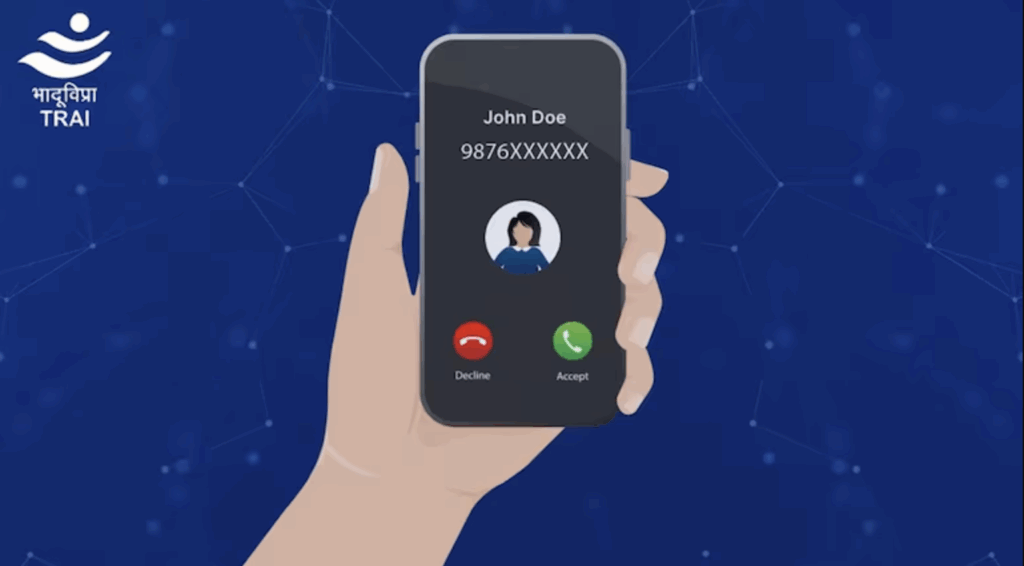
The move aims to help users identify unknown callers, make more informed decisions about answering calls and strengthen efforts to combat spam and fraudulent phone calls. The service will be enabled by default, without requiring subscribers to request activation.
What Is Calling Name Presentation (CNAP)?
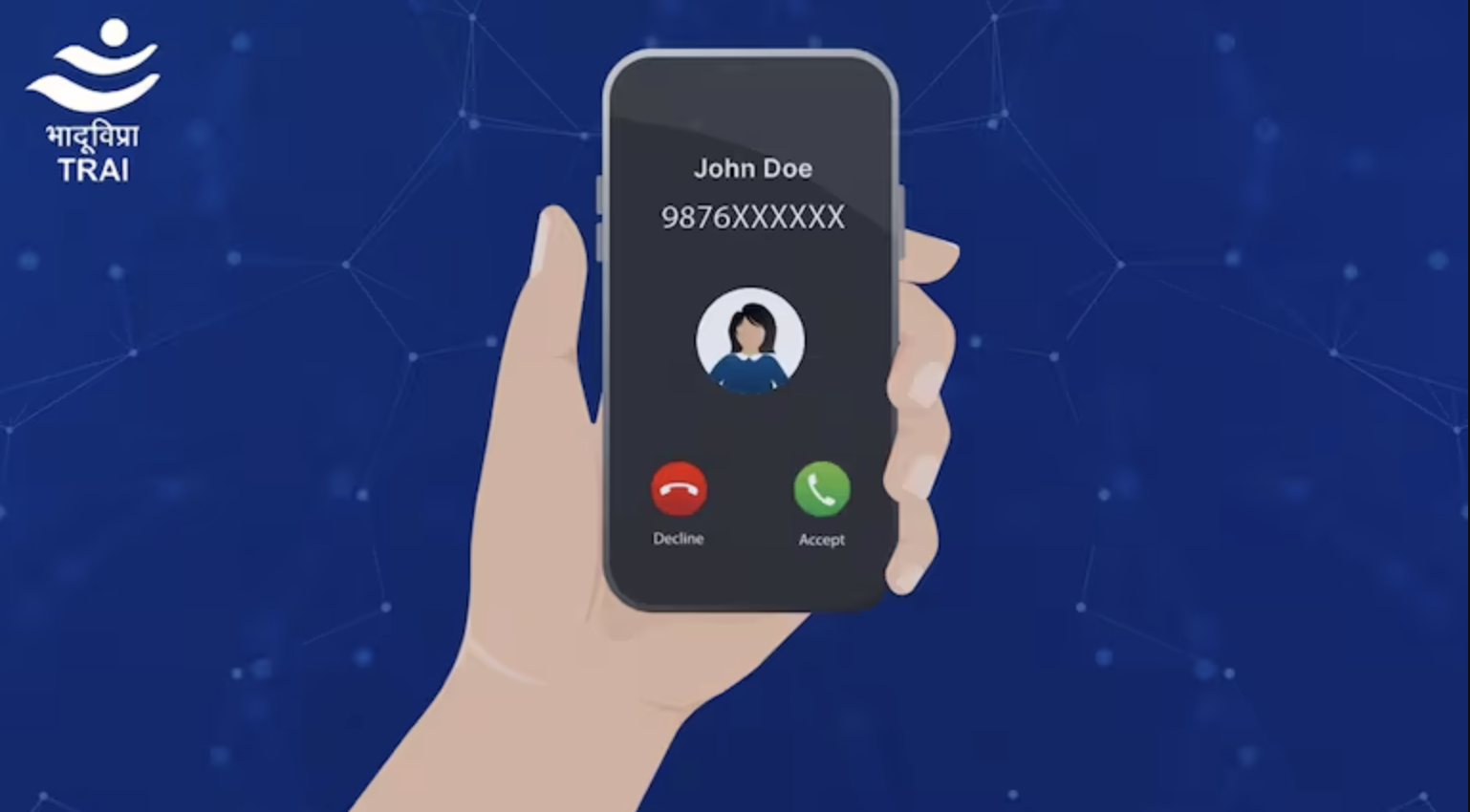
CNAP is a telecom-based caller identification system that displays the name associated with a phone number in the caller’s telecom operator records.
Unlike third-party caller identification apps, which may rely on user-generated databases, CNAP uses subscriber information maintained by telecom service providers.
When someone receives a call from an unsaved domestic number, the phone is expected to display the caller’s registered name alongside the number. If the recipient has already saved the number, their contact name will take precedence.
The system is designed to make caller identification more consistent and reduce uncertainty when receiving calls from unfamiliar numbers.
How Will the New Rules Work?
Under the new directive, telecom operators must implement CNAP across their service areas from November 1, 2026.
The system will work through databases maintained by the caller’s telecom operator. When a call arrives, the receiving operator can retrieve the associated name and display it to the recipient.
The rules include several important provisions:
- Automatic activation: Operators must enable the service by default, without requiring users to request it.
- Registered names: The displayed name will generally be the name recorded in the caller’s subscriber information.
- Saved contacts: Names already stored in the recipient’s contact list will take precedence.
- International calls: Calls from abroad may display the label “International Call” instead of a caller’s registered name.
- Privacy protection: Subscribers who have activated Calling Line Identification Restriction (CLIR), where applicable, will not have their names displayed.
Will CNAP Work on All Mobile Phones?
The initial rollout covers wireless networks operating on 4G and newer technologies, where telecom operators have conducted trials.
The introduction of CNAP on older 2G and 3G networks, as well as traditional landline networks, will be considered separately. This means that the service may not be available in exactly the same way across every network during the initial phase.
The system also depends on accurate subscriber records. If the name associated with a SIM card is outdated or incorrect, the displayed identity may not always match the name a recipient expects.
What About Businesses and Company Numbers?
Businesses using bulk or business connections may be allowed to display an approved preferred name instead of the name recorded in the original subscriber application.
This is subject to verification and supporting documentation. Eligible names may include registered trademarks and officially registered trade names.
The provision could help customers identify legitimate business calls from banks, service providers and other organisations, although the displayed name alone should not be treated as proof that a call is genuine.
Will CNAP Stop Spam and Fraud Calls?
CNAP could make it harder for some fraudulent callers to hide behind unfamiliar numbers. It may also help users distinguish expected business calls from unknown callers.
However, the service is not a complete solution to phone fraud. Scammers can still use social engineering, impersonate organisations or exploit other methods to deceive victims.
Users should continue avoiding the disclosure of OTPs, passwords, banking credentials and other sensitive information over unsolicited calls. A familiar-looking caller name should never replace independent verification.
Summary
India will introduce Calling Name Presentation (CNAP) from November 1, 2026, requiring telecom operators to display registered caller names alongside phone numbers by default. The initial rollout covers 4G and newer networks, while older networks will be considered separately. The system could improve caller identification and help combat spam, but users must remain alert to impersonation and telephone fraud.