Union Petroleum and Natural Gas Minister Hardeep Singh Puri has strongly defended India’s ethanol-blending programme, citing its use in high-performance racing cars to counter concerns about the fuel’s effectiveness and impact on vehicle performance. His remarks come amid ongoing debates about fuel prices, energy security and the future of alternative fuels in India.
The minister made the comments while addressing questions about the government’s continued promotion of ethanol blending despite challenges faced by oil marketing companies during recent fluctuations in global crude oil prices. According to Puri, ethanol is not only a cleaner fuel alternative but is also capable of delivering strong performance benefits.
Ethanol Used in High-Performance Racing
Puri pointed out that ethanol is already used in racing cars around the world and can help improve acceleration. By highlighting its adoption in motorsports, he sought to dispel the perception that ethanol-blended fuels compromise vehicle performance or engine efficiency.
The government has consistently promoted ethanol blending as a way to reduce dependence on imported crude oil, lower emissions and support Indian farmers through increased demand for sugarcane and other feedstocks used in ethanol production.
India’s Ethanol Journey
India has made significant progress in ethanol blending over the past decade. The country has already achieved a 20% ethanol blending target in petrol, a major increase from the low levels seen a few years ago. The government is now expanding infrastructure to support higher ethanol adoption and flex-fuel vehicles.
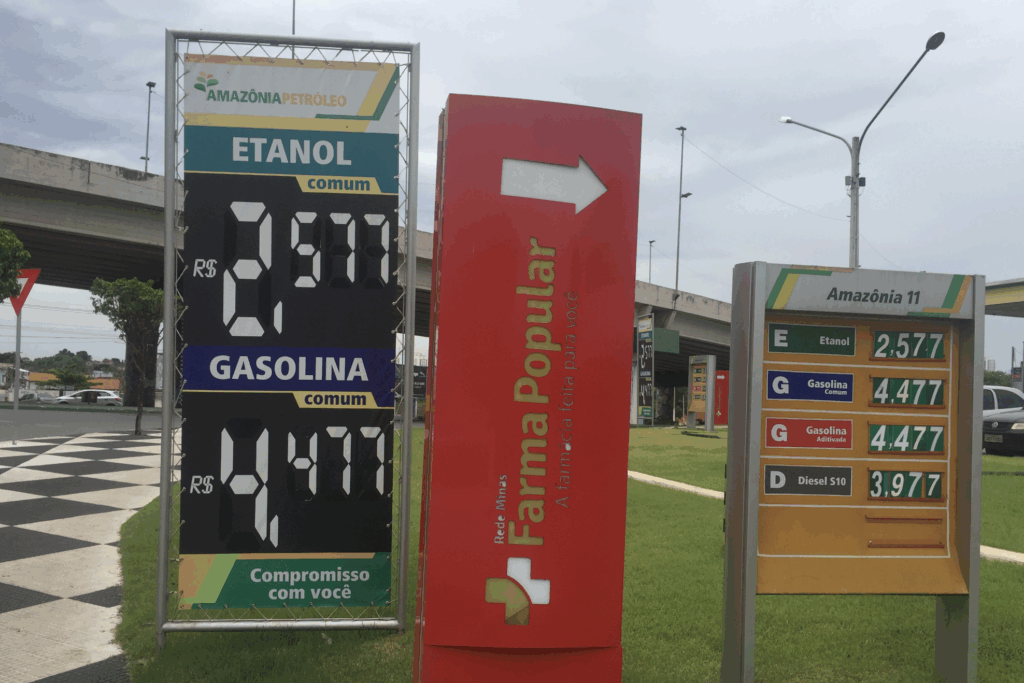
Recent initiatives include the launch of E85 fuel, which contains up to 85% ethanol, and the rollout of dedicated ethanol dispensing stations across key transport corridors. The government plans to significantly increase the number of such fuel stations over the next two years.
Addressing Concerns Over Mileage and Performance
The ethanol programme has faced criticism from some motorists who claim that higher ethanol blends reduce mileage and may affect older vehicles. However, Puri has repeatedly dismissed these concerns, stating that any reduction in fuel efficiency is marginal and that ethanol-blended fuel remains safe for modern vehicles.
The government argues that the long-term benefits of reducing oil imports, improving energy security and cutting emissions outweigh minor efficiency trade-offs.
A Key Part of India’s Energy Strategy
As India remains heavily dependent on imported crude oil, ethanol is becoming a central component of the country’s energy transition strategy. The government sees biofuels as an important tool for achieving greater energy independence while supporting environmental goals.
With investments in flex-fuel vehicles, ethanol infrastructure and alternative fuel technologies accelerating, ethanol is expected to play an increasingly important role in India’s transportation ecosystem over the coming years.
Summary
Union Minister Hardeep Singh Puri has defended India’s ethanol-blending programme, highlighting that ethanol is used in racing cars and can improve acceleration. The government views ethanol as a key tool for reducing oil imports, lowering emissions and improving energy security. Despite concerns about mileage and performance, officials remain committed to expanding ethanol infrastructure and promoting higher biofuel adoption across the country.