NVS-03 Launch Set For September
The Indian Space Research Organisation (ISRO) is preparing to launch NVS-03, the latest satellite in India’s second-generation navigation satellite series, in the first week of September 2026.
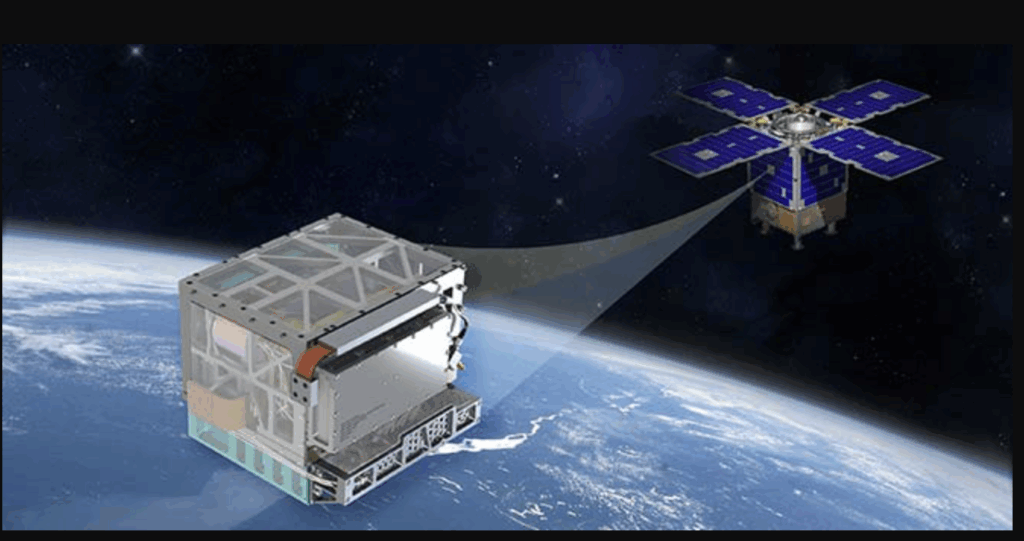
The satellite is already ready at the Sriharikota spaceport, with the final launch date expected to be announced soon.
The mission is particularly important because it comes after a difficult period for India’s indigenous navigation system, NavIC.
India’s Own GPS Needs A Revival
NavIC, or Navigation with Indian Constellation, was developed as India’s independent satellite navigation system, similar in purpose to GPS in the United States, GLONASS in Russia, Galileo in Europe and BeiDou in China.
The system provides positioning, navigation and timing services across India and the surrounding region.
However, ageing satellites and technical problems have significantly weakened the constellation.
The launch of NVS-03 is therefore more than another routine satellite mission. It is an important step towards restoring NavIC’s operational capabilities.
NVS-03 Ready At Sriharikota
According to ISRO officials, NVS-03 has already reached the Sriharikota launch facility and is ready for deployment.
The launch window is expected to open during the first week of September.
The mission will also mark an important return to regular launch activity for ISRO after a challenging period in 2026.
NVS-04 And NVS-05 To Follow
India’s NavIC revival will not stop with NVS-03.
The government has confirmed plans to launch NVS-04 and NVS-05 after NVS-03.
The three satellites are part of India’s second-generation navigation satellite programme and are intended to strengthen the constellation and improve the reliability of navigation services.
A larger and healthier satellite constellation is essential for providing consistent positioning and timing signals.
NVS-02 Mission Faced A Setback
The importance of NVS-03 has increased because the previous NVS-02 mission suffered a partial failure.
NVS-02 was launched in January 2025, but the satellite could not reach its intended operational orbit because of a problem involving its propulsion system.
ISRO subsequently investigated the anomaly and incorporated corrective measures into the preparation of NVS-03.
The agency is now hoping for a successful launch and deployment of the new satellite.
NavIC Has Faced Multiple Problems
NavIC’s problems began well before the NVS-02 setback.
Several first-generation satellites experienced issues involving their atomic clocks and other critical systems.
One replacement mission, IRNSS-1H, also failed to reach orbit after its heat shield did not separate as planned.
These setbacks have gradually reduced the number of satellites capable of providing full navigation services.
As a result, restoring the constellation has become an important priority for India’s space programme.
Why NavIC Matters To India
An independent navigation system has strategic importance for India.
NavIC can support civilian applications such as navigation, transportation, mapping, telecommunications, emergency services and location-based services.
It can also provide an independent source of positioning and timing information for critical infrastructure and strategic applications.
Reducing dependence on foreign navigation systems is particularly important for national security and technological sovereignty.
ISRO Plans More Missions
NVS-03 will be followed by several other important missions as ISRO attempts to recover from a difficult year.
The agency is also preparing to launch GISAT-1A, or EOS-05, an advanced geo-imaging satellite designed to enable near-real-time monitoring of India’s territory.
The satellite is expected to be launched a few weeks after NVS-03.
A Critical Test For ISRO
The NVS-03 mission will therefore be closely watched.
A successful launch would not only strengthen NavIC but also demonstrate that ISRO has successfully addressed the problems identified after the NVS-02 setback.
With NVS-04 and NVS-05 planned to follow, India could gradually rebuild its indigenous navigation infrastructure and restore NavIC to a much stronger operational position.
Summary
ISRO is preparing to launch NVS-03, a second-generation navigation satellite, during the first week of September 2026. The satellite is already ready at Sriharikota and is expected to strengthen India’s NavIC navigation system, which has been weakened by ageing satellites and technical failures. NVS-04 and NVS-05 are also planned in close succession. The missions are crucial for restoring India’s independent positioning, navigation and timing capabilities.