The long-pending plan to expand the Mumbai-Pune Expressway from six lanes to ten lanes has moved a step closer to reality. The Maharashtra State Road Development Corporation (MSRDC) has submitted a revised funding proposal to the state government, seeking approval for one of the most significant highway expansion projects in western India. The move comes amid rapidly increasing traffic volumes on the country’s first access-controlled expressway.
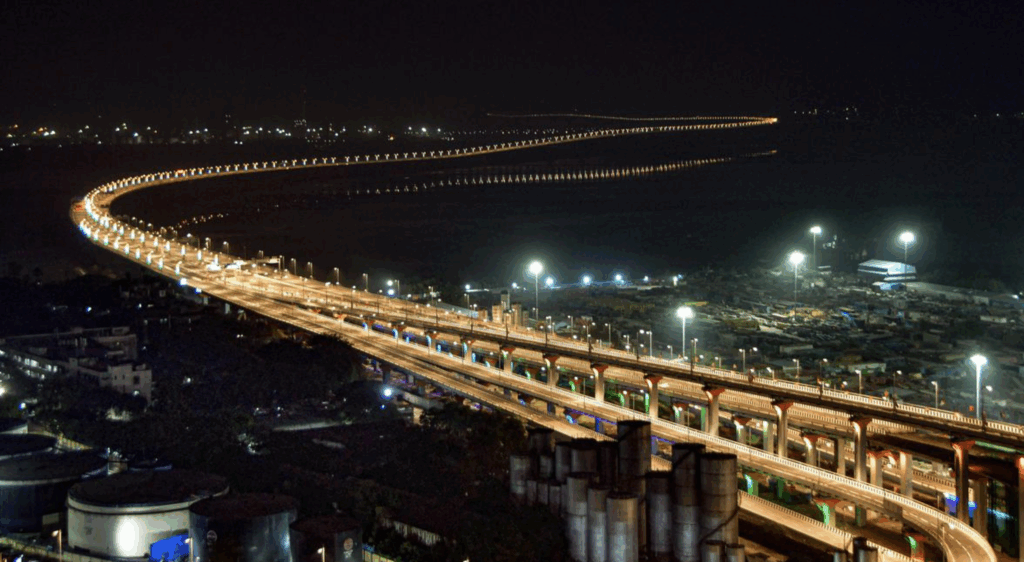
If approved, the project is expected to be executed through the Build-Operate-Transfer (BOT) model, with construction likely to begin in 2027 and targeted for completion by 2030. The expansion aims to improve capacity, reduce congestion, and support future transportation demand between Maharashtra’s two largest urban centres.
Rising Traffic Is Driving The Expansion
The 94.6-km Mumbai-Pune Expressway, which became operational in 2002, was originally designed for much lower traffic volumes than it handles today. According to estimates, the corridor now carries around 65,000 vehicles on weekdays and more than 100,000 vehicles during weekends. Traffic volumes are also growing by approximately 5-6% annually.
The situation is expected to become even more challenging with the upcoming Navi Mumbai International Airport and the planned expansion of aviation infrastructure around Pune. These developments are likely to generate additional passenger and freight traffic on the already busy corridor.
Revised Funding Model Submitted
MSRDC’s revised proposal focuses on making the project financially viable through future toll collections. Under the BOT model, the selected concessionaire would finance, construct, operate, and maintain the expanded highway while recovering costs through toll revenues over a specified concession period.
Officials believe the existing traffic density is sufficient to generate the revenues required for recovering both construction and operational costs, making the project attractive to private investors.
Major Challenges During Construction
While the expansion promises long-term benefits, executing the project will not be easy. Unlike a greenfield highway, the widening work must be carried out while keeping traffic moving on one of India’s busiest expressways.
Managing daily vehicle movement, especially during weekends and holiday periods, will be among the biggest engineering and operational challenges facing the project. Authorities will need to ensure minimal disruption while maintaining safety standards throughout the construction period.
Improving Connectivity For Decades Ahead
The expansion is expected to significantly enhance the expressway’s carrying capacity, reduce travel delays, and improve freight movement between Mumbai and Pune. Combined with the recently inaugurated Missing Link project, the widened corridor could transform connectivity between the two cities and support economic growth across the region.
As traffic demand continues to rise, the proposed ten-lane expressway is being viewed as a critical infrastructure upgrade that could serve Maharashtra’s transportation needs for decades to come.
Summary
The Maharashtra State Road Development Corporation has submitted a revised proposal to expand the Mumbai-Pune Expressway from six lanes to ten lanes. Driven by rising traffic volumes and future infrastructure projects such as the Navi Mumbai International Airport, the expansion could begin in 2027 and be completed by 2030 if approved. The project aims to improve capacity, reduce congestion, and strengthen connectivity between Mumbai and Pune for the long term.