The Indian government has withdrawn emergency restrictions on natural gas supplies that were imposed earlier this year following disruptions to liquefied natural gas (LNG) shipments through the Strait of Hormuz. The decision comes after maritime traffic resumed in the strategic waterway following a ceasefire in the West Asia conflict, easing concerns over India’s energy security.
The move signals growing confidence that LNG supplies from the Gulf region have stabilised, allowing authorities to restore normal allocation mechanisms across industries that were affected by the emergency measures.
Why The Government Had Imposed Restrictions
In March 2026, India invoked emergency powers under the Essential Commodities Act after disruptions in LNG shipments through the Strait of Hormuz threatened domestic energy supplies. Several suppliers reportedly declared force majeure, forcing the government to intervene and prioritise gas allocation for critical sectors.
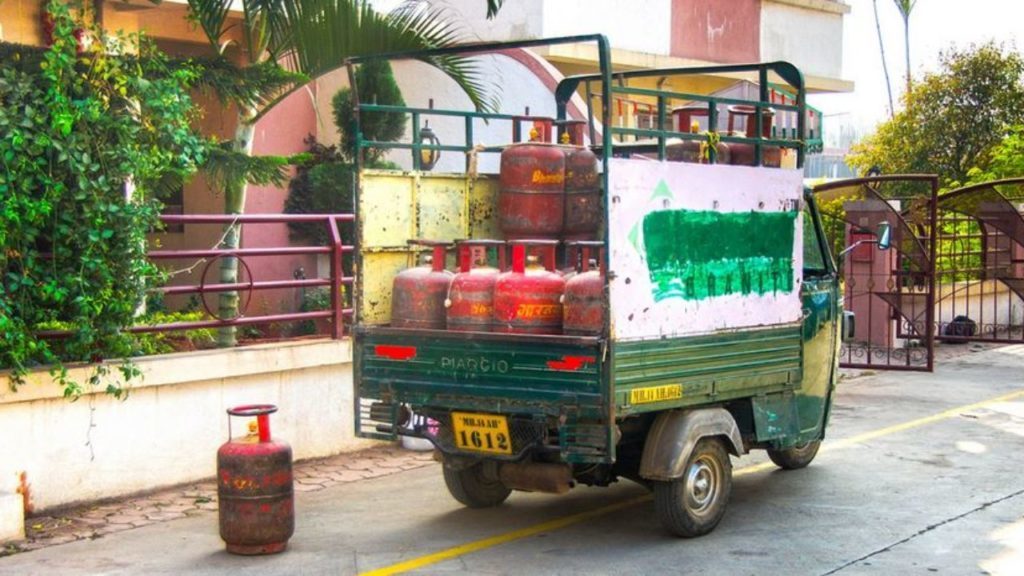
Under the emergency framework, priority sectors such as household piped natural gas (PNG), compressed natural gas (CNG) for transport, LPG production, and gas pipeline operations were guaranteed uninterrupted supplies. Meanwhile, gas allocations to power plants, petrochemical units, and some industrial consumers were curtailed.
LNG Supplies Have Normalised
The Petroleum Ministry stated that the situation has improved significantly following the ceasefire and the resumption of maritime traffic through the Strait of Hormuz. As a result, the government has amended the Natural Gas (Supply Regulation) Order, 2026, removing most of the special provisions that allowed direct intervention in gas allocation.
The restoration of LNG shipments has reduced concerns about shortages and enabled the government to return to normal market-based distribution arrangements. Fertiliser plants, refineries, city gas distributors, and industrial consumers are expected to receive regular gas allocations once again.
Why The Strait Of Hormuz Matters To India
India remains heavily dependent on energy imports. The country imports nearly 88% of its crude oil requirements and around half of its natural gas needs. Approximately 40-45% of India’s crude oil imports and nearly 65% of its LNG supplies pass through the Strait of Hormuz, making it one of the most critical energy routes for the nation.
Any disruption in this narrow waterway can significantly impact fuel availability, energy prices, and industrial operations across the country.
A Positive Signal For Energy Security
The withdrawal of emergency curbs reflects improving stability in global energy supply chains after months of uncertainty. While the government is expected to continue monitoring developments in West Asia, the decision suggests that immediate concerns over LNG availability have largely subsided.
For industries and consumers alike, the move should help ensure smoother energy supplies and reduce the risk of disruptions that had emerged during the peak of the Strait of Hormuz crisis.
Summary
The Indian government has withdrawn emergency natural gas supply restrictions imposed during disruptions to LNG shipments through the Strait of Hormuz. Following a ceasefire in West Asia and the resumption of maritime traffic, LNG supplies have normalised, allowing authorities to restore regular gas allocations. The move is expected to benefit industries, fertiliser plants, refineries, and city gas distributors while easing concerns over India’s energy security.