Plastic Packaging Banned For Pan Masala
The Food Safety and Standards Authority of India (FSSAI) has introduced new packaging rules for pan masala, effectively banning the use of plastic-based packaging for the product.
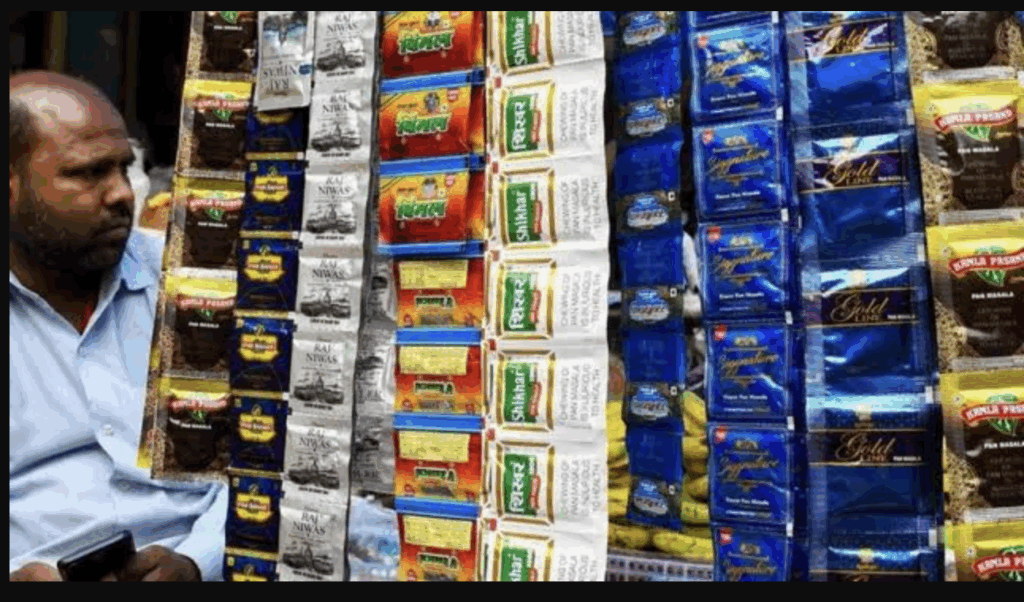
The new regulations prohibit manufacturers from using plastic, aluminium foil and metallised layers in pan masala packaging. The move is aimed at shifting the industry towards plastic-free packaging materials and reducing the environmental impact of widely used small sachets.
The amendment was notified under the Food Safety and Standards (Packaging) Regulations, 2018.
Paper Packaging Must Be Completely Plastic-Free
Under the new rules, pan masala can be packaged using paper, paperboard, cellulose or other naturally derived materials.
However, these materials must be completely free from plastic. This means manufacturers cannot use paper packaging that contains hidden plastic layers or synthetic laminates.
The rules specifically prohibit materials containing polyethylene, polypropylene, polyester, polyvinyl chloride (PVC), synthetic polymers, copolymers or plastic laminates.
Aluminium Foil And Metallised Layers Also Banned
The restrictions go beyond conventional plastic packaging.
FSSAI has also ruled out the use of aluminium foil and metallised layers in packaging made from paper or naturally derived materials.
This could require manufacturers to significantly redesign the packaging formats currently used for pan masala products.
Many pan masala products are sold in small sachets that use multiple layers of plastic and other materials to protect the contents. These formats will now have to be replaced with packaging that complies with the new requirements.
Tin And Glass Containers Allowed
Manufacturers have two additional options under the amended regulations: tin and glass containers.
Both have been separately listed as permitted packaging materials for pan masala.
Companies will therefore have to evaluate whether plastic-free paper-based packaging, tin containers or glass containers are most suitable for their products.
New Rules Are Already In Effect
The amendment was notified after FSSAI completed a consultation process.
A draft of the proposed changes was issued on April 28, 2026, giving stakeholders 60 days to submit objections and suggestions.
After considering the feedback received, FSSAI finalised the amendment. The regulations came into force from the date of publication in the Official Gazette.
The new provisions also bring certain requirements under the Plastic Waste Management Rules, 2016 into the regulatory framework for pan masala packaging.
Pan Masala Itself Has Not Been Banned
The new regulation is specifically about packaging, not the sale or manufacture of pan masala itself.
FSSAI has added pan masala to the relevant packaging schedule and specified which materials can be used for packing the product.
The immediate impact will therefore be on manufacturers and packaging suppliers, who will need to move away from plastic-based and metallised formats.
Manufacturers Face A Packaging Overhaul
The changes are expected to force pan masala companies to redesign packaging, identify new suppliers and potentially modify manufacturing and distribution processes.
The transition could also affect packaging and logistics costs depending on the material companies choose.
For consumers, the most visible change could be the disappearance of the familiar small plastic sachets as manufacturers shift towards paper-based, tin or glass alternatives.
Summary
FSSAI has banned plastic-based packaging for pan masala and prohibited the use of aluminium foil and metallised layers. Manufacturers can instead use completely plastic-free paper, paperboard, cellulose and other naturally derived materials, along with tin or glass containers. The rules are already in effect and will require companies to redesign wexisting packaging formats. The regulation targets packaging and does not ban pan masala itself.