Government Objects To Pre-Ride Tipping
The Centre has asked ride-hailing platforms such as Uber and Rapido to remove the option that allows passengers to select a tip for drivers before a ride begins.
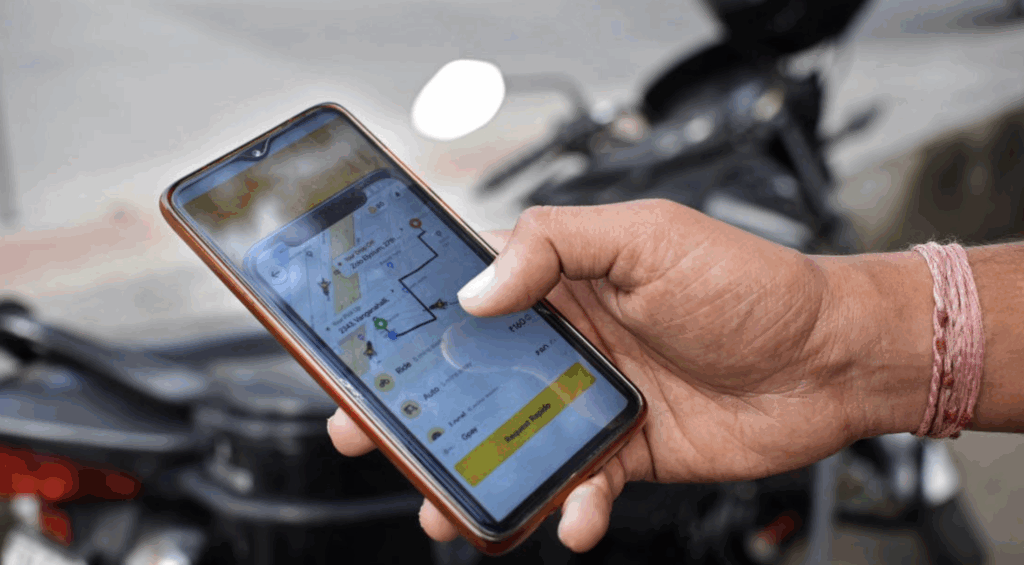
The government has raised concerns that displaying a tipping option before the passenger has even experienced the service could influence or pressure customers into paying an additional amount.
The move comes as authorities examine practices on digital platforms that could potentially influence consumer choices in ways that are considered misleading or manipulative.
Why The Government Wants The Feature Removed
Under the Consumer Protection Act, 2019, practices that are misleading, manipulative or otherwise unfair to consumers can attract regulatory scrutiny.
The Centre’s concern is that a passenger should ideally decide whether to tip after completing the ride and assessing the service received.
Providing the option before the journey could create an impression that tipping is expected or necessary, even though the passenger has not yet experienced the driver’s service.
Tip Should Come After The Ride
The government’s position effectively favours moving tipping decisions to the end of the journey.
Passengers would then be able to assess factors such as the driver’s behaviour, punctuality, driving, assistance with luggage and overall service before deciding whether they want to provide an additional payment.
This would also make the tipping decision more closely connected to the actual service received.
Uber And Rapido Among Platforms Under Focus
The direction affects app-based mobility platforms where passengers book rides digitally and can make additional payments through the application.
Platforms such as Uber and Rapido have integrated tipping into their digital payment experience, allowing passengers to provide additional money to drivers.
The government’s intervention could therefore require changes to how these platforms present tipping options within their apps.
What It Means For Drivers
Tips can provide an additional source of income for drivers, particularly in a gig-economy model where earnings depend heavily on the number and value of completed rides.
Removing the pre-ride option does not necessarily mean passengers will no longer be able to tip. The focus is on when the option is presented to consumers.
A post-ride tipping system could continue to allow drivers to receive tips while ensuring that passengers make the decision after experiencing the service.
A Bigger Push For Fair Digital Practices
The move is part of a wider effort to examine how digital platforms influence consumer decisions.
As more everyday services shift to apps, regulators are increasingly looking at the design of digital interfaces, including how prices, additional charges, recommendations and payment options are presented.
The Centre’s objection to pre-ride tipping highlights how even a seemingly small app feature can come under scrutiny when it potentially influences consumer behaviour.
Ride-Hailing Apps May Need To Change Their Interfaces
If the platforms comply with the Centre’s direction, passengers could see changes in how tipping is presented on ride-hailing apps.
Instead of being asked to choose a tip before the journey, users could be given the option after the ride has been completed.
The change would give consumers greater control over whether they want to provide an additional payment and ensure that the decision is based on the service actually received.
Summary
The Centre has asked ride-hailing platforms such as Uber and Rapido to remove the option allowing passengers to select a tip before their ride begins. The government considers pre-ride tipping potentially misleading or manipulative because customers have not yet experienced the service. The move could shift tipping decisions to after the ride, allowing passengers to assess the service before deciding whether to pay an additional amount.