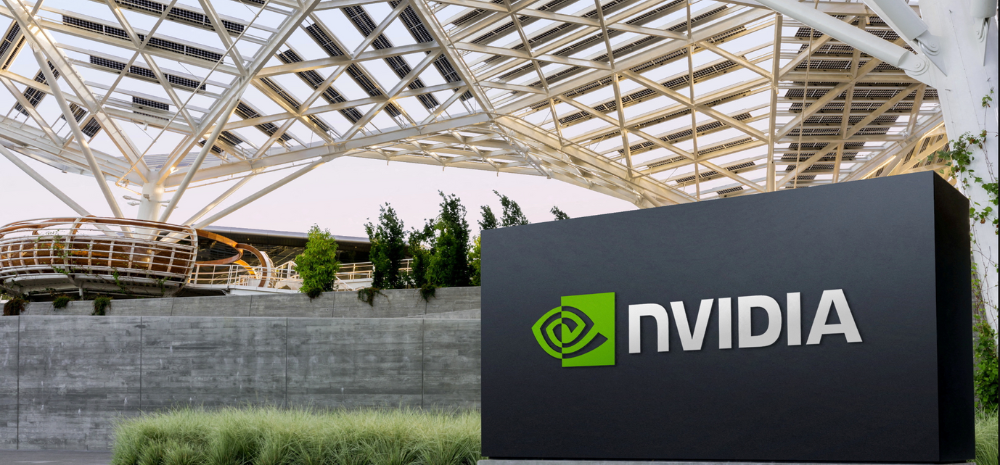
Nvidia’s journey from a niche graphics card producer to the world’s most valuable company is nothing short of historic. The firm has become the backbone of global artificial intelligence infrastructure, powering everything from data centers to autonomous vehicles. Recent reports suggest bookings worth nearly $500 billion for its next-generation AI chips — a clear signal of unprecedented demand.
Outpacing Global Economies
With a $5 trillion market cap, Nvidia now ranks above the GDPs of every country except the United States, China, and Germany. Japan’s GDP stands at $4.28 trillion and India’s at $4.13 trillion, both trailing the chipmaker’s valuation. This astonishing figure reflects investor optimism around AI’s future, even as Nvidia’s growth defies traditional economic comparisons.
Tech Titans Dominate The Global Stage
Other major players are close behind. Apple recently crossed the $4 trillion mark, while Microsoft continues to hover in the same range. Together, these tech giants have market values that exceed the GDPs of nations like the UK, France, and Canada — illustrating how a few technology leaders are redefining global wealth concentration.
Challenges Ahead Despite Record Growth
Nvidia’s share price has jumped nearly 50% in 2025 alone, fueled by robust sales in China and a potential easing of U.S. chip export rules. However, the company faces ongoing challenges, including U.S.-China trade restrictions that could limit growth in key markets. Still, Nvidia’s dominance remains unchallenged, with a valuation surpassing the combined worth of Saudi Aramco, Berkshire Hathaway, and Tesla.
The New Economic Reality
Nvidia’s rise to a $5 trillion valuation signals a major shift in the global economic landscape — from industrial might to technological innovation. As AI continues to drive the next wave of digital transformation, the line between corporate valuation and national economic power is blurring faster than ever before.