In a landmark ruling, the US Supreme Court has reaffirmed the constitutional principle of birthright citizenship, ensuring that children born on American soil will continue to receive US citizenship regardless of their parents’ immigration status. The decision has been widely viewed as a significant relief for Indian professionals, students, and families living in the United States on temporary visas.
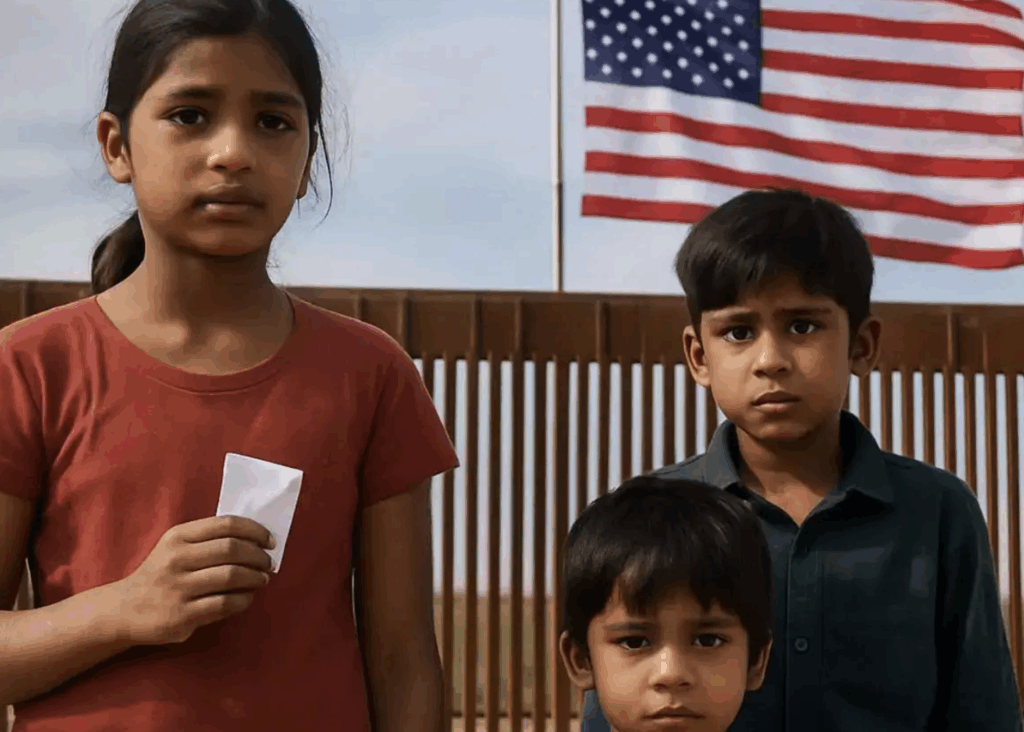
The ruling effectively blocks efforts to restrict automatic citizenship for children born in the US, preserving a long-standing interpretation of the 14th Amendment to the US Constitution.
Why the Decision Matters to Indians
The United States is home to one of the world’s largest Indian diaspora communities. Hundreds of thousands of Indians reside in the country on H-1B work visas, L-1 intra-company transfer visas, and F-1 student visas. Many of these families have children who are either born in the US or plan to start families while living there.
Had birthright citizenship been restricted, uncertainty could have emerged regarding the legal status of children born to temporary visa holders. The Supreme Court’s decision removes that uncertainty and maintains the existing framework under which any child born in the US automatically becomes a US citizen.
A Setback for Immigration Restrictions
The ruling is also seen as a setback for efforts to narrow immigration-related rights through executive action. The court reaffirmed that citizenship by birth is protected by the Constitution and cannot be altered through administrative orders alone.
Legal experts note that the judgment reinforces constitutional protections that have existed for more than a century and provides greater predictability for immigrant communities across the country.
What Changes for Indian Families?
For most Indian professionals and students currently living in the US, the immediate impact is continuity rather than change. Children born in the country will continue to receive citizenship at birth, allowing them access to the rights and protections available to US citizens.
However, experts caution that a child’s US citizenship does not automatically grant permanent residency or citizenship to parents. Immigration pathways for parents remain governed by existing visa and green card regulations.
Broader Implications
The decision arrives at a time when immigration remains one of the most debated political issues in the United States. By reaffirming birthright citizenship, the Supreme Court has provided clarity for millions of immigrant families and reinforced a key constitutional principle.
For Indian professionals facing long green-card backlogs and visa uncertainties, the ruling offers reassurance that their US-born children will continue to enjoy automatic citizenship rights under the Constitution.