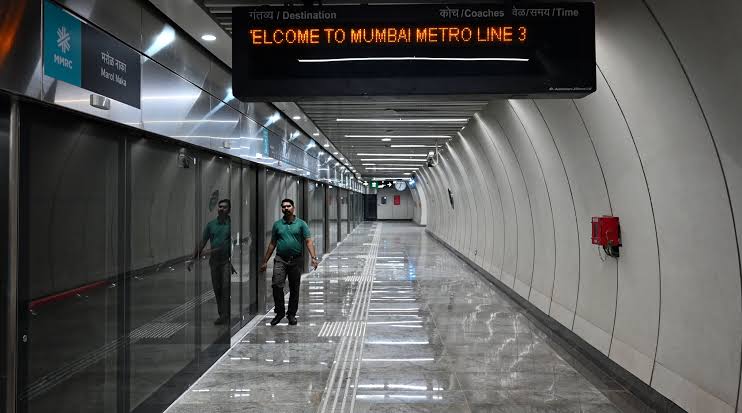
Mumbai Metro Line 3, also known as the Aqua Line, has significantly improved connectivity across the city with its fully underground corridor. However, a recent study has highlighted several accessibility issues that continue to affect commuters, including long staircases, inadequate last-mile connectivity and navigation challenges at stations. The findings suggest that while the metro infrastructure is modern, better planning is needed to make daily travel more convenient and inclusive for all passengers.
Study Highlights Key Commuter Concerns
The study, titled Accessibility and User-Friendliness of Mumbai Metro Aqua Line (Line 3), surveyed all 27 stations along the 33.5-kilometre corridor. Researchers found that although lifts and escalators are available and generally functional, commuters often have to navigate long staircases and multiple levels before reaching platforms.
The report also pointed out that poor signage and insufficient wayfinding information make it difficult for passengers, particularly senior citizens, first-time users and people with disabilities, to move around stations efficiently.
Last-Mile Connectivity Remains A Major Issue
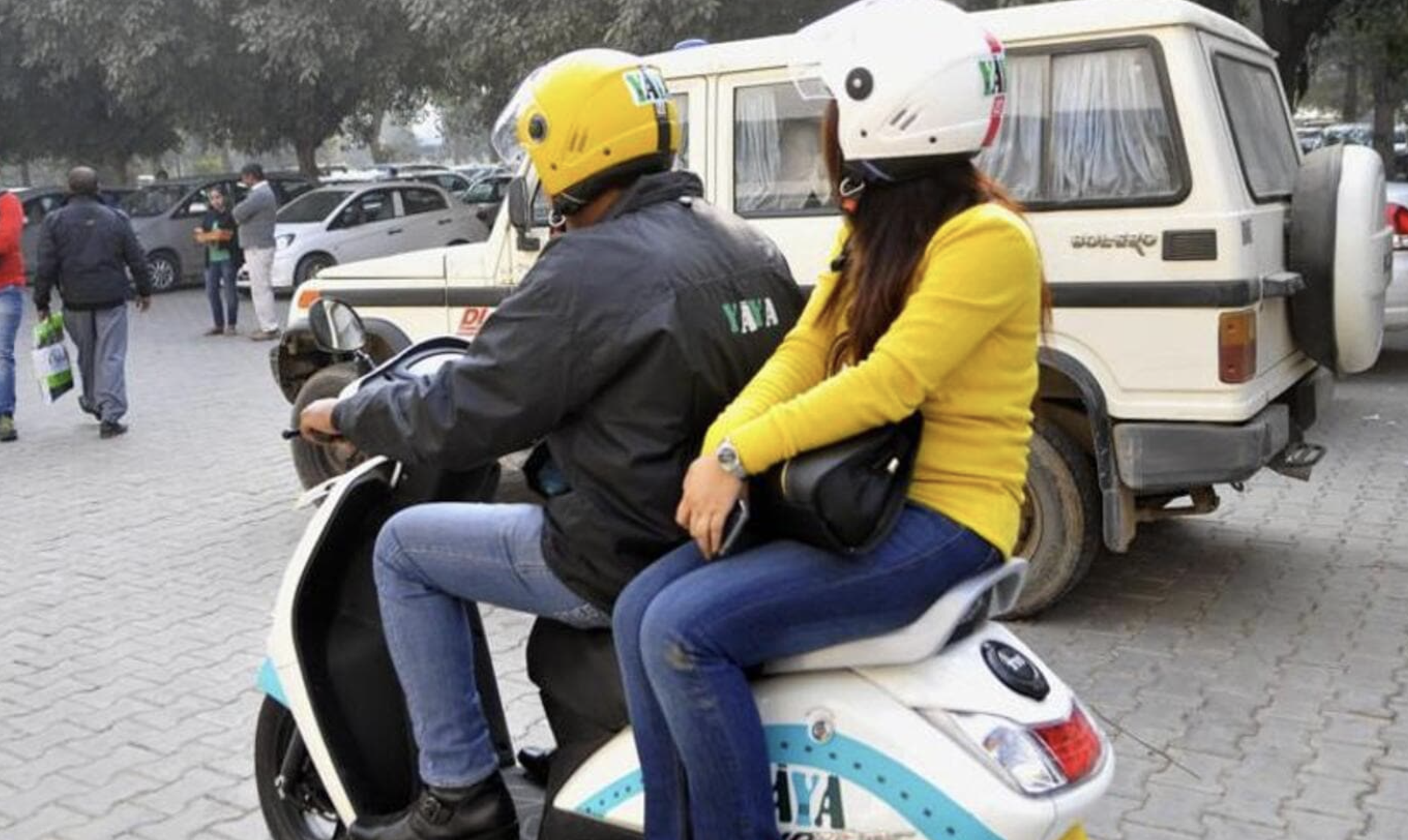
One of the biggest concerns identified in the study is the lack of seamless connectivity between Metro 3 stations and other modes of transport. Many stations have limited access to buses, taxis and auto-rickshaws, forcing commuters to walk long distances after exiting the metro.
Researchers noted that improving pedestrian infrastructure, creating dedicated pick-up and drop-off zones, and strengthening integration with public transport services could significantly enhance the commuter experience. Better last-mile connectivity is considered essential for increasing metro ridership and encouraging more people to shift away from private vehicles.
Recommendations For A Better Metro Experience
The study recommends practical measures such as adding more downward escalators, improving directional signage, reducing walking distances where possible and creating barrier-free access for elderly passengers and persons with disabilities. It also suggests closer coordination between metro authorities and civic agencies to improve connectivity outside station premises.
Mumbai Metro Line 3 remains one of the city’s most ambitious transport projects, connecting key business districts, residential areas and the airport. However, experts believe that addressing accessibility and last-mile challenges will be crucial for ensuring that commuters fully benefit from the world-class infrastructure. With passenger numbers expected to grow steadily, improving convenience and ease of access could play a vital role in making Metro 3 the preferred mode of transport for millions of Mumbaikars.
Summary:
A recent study has identified long staircases, inadequate last-mile connectivity and navigation issues as major challenges affecting Mumbai Metro Line 3 commuters. While the Aqua Line offers modern infrastructure, researchers recommend better signage, additional escalators and improved links with buses and taxis to make the metro more accessible, convenient and commuter-friendly for daily travel.