The Indian government is likely to approve a ₹37,500 crore incentive scheme to promote coal gasification projects, marking one of the biggest energy initiatives in recent years.
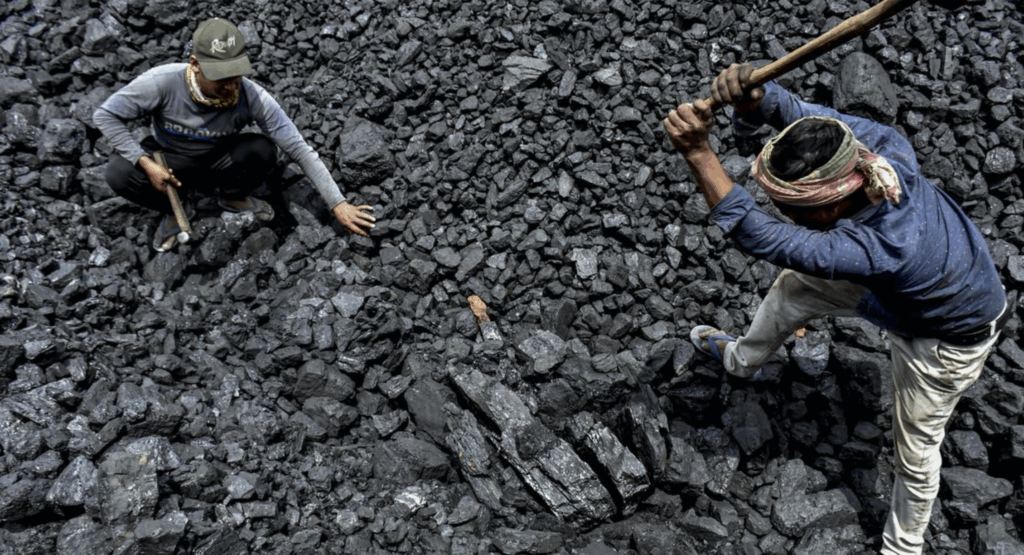
The proposal has already been prepared by the coal ministry and is expected to receive Cabinet clearance soon.
What Is Coal Gasification?
Coal gasification is a process that converts coal into synthetic gas (syngas), which can then be used to produce:
- Fertilisers like urea
- Chemicals such as methanol
- Cleaner fuels
This allows India to use its abundant coal reserves more efficiently instead of relying heavily on imports.
Why the Government Is Pushing This
The main goal behind this scheme is to reduce India’s dependence on imports, especially:
- Liquefied Natural Gas (LNG)
- Urea and fertilisers
- Key industrial chemicals
India currently imports large quantities of these commodities, making it vulnerable to global price shocks and geopolitical disruptions.
Financial Support Structure
Under the proposed scheme:
- Total outlay: ₹37,500 crore
- Maximum support per project: up to ₹3,000 crore
This is a significant increase compared to earlier coal gasification incentives, signaling a stronger push to accelerate projects across the country.
Boost to Energy Security
The initiative is part of a broader strategy to strengthen energy security.
By converting domestic coal into usable fuels and chemicals, India can:
- Reduce reliance on volatile global markets
- Save foreign exchange
- Ensure stable supply for industries like fertilisers and chemicals
Target: 100 Million Tonnes Capacity
India has set an ambitious target of achieving 100 million tonnes of coal gasification capacity by 2030.
The new scheme is expected to play a critical role in achieving this goal by encouraging both public and private sector participation.
Not Just Energy—Industrial Impact Too
The benefits go beyond energy:
- Boost to fertiliser production (reducing import bills)
- Growth in chemical manufacturing
- Increased demand for domestic coal
- Job creation in new industrial projects
This makes it a multi-sector economic push, not just an energy reform.
Challenges Ahead
Despite the ambition, there are hurdles:
- High initial investment and technology costs
- Environmental concerns, including emissions and water usage
- Execution delays in past projects
Experts say implementation will be key to success.
The Bottom Line
The ₹37,500 crore coal gasification push reflects India’s strategy to turn its coal reserves into a strategic advantage.
If executed well, it could reduce imports, strengthen energy security, and reshape the country’s industrial ecosystem.