Motorola has introduced a major innovation with its Razr Ultra 2026, becoming one of the first brands to bring silicon-carbon battery technology to mainstream smartphones.
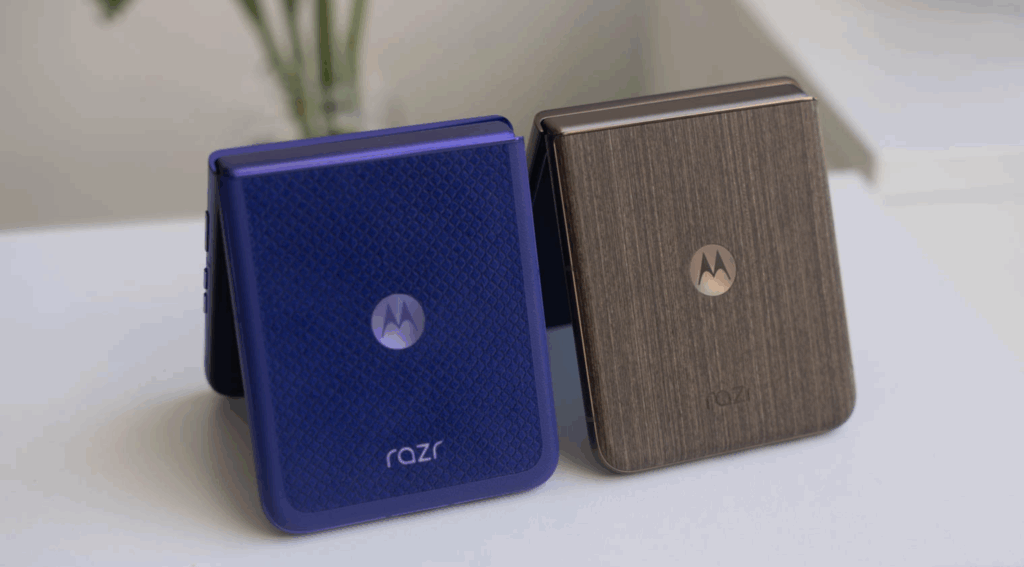
This puts Motorola ahead of competitors like Apple and Samsung in adopting next-gen battery tech.
What Makes Silicon-Carbon Batteries Special
Traditional smartphones use lithium-ion batteries. The Razr Ultra 2026 switches to silicon-carbon cells, which offer a key advantage:
👉 Higher energy density
This means:
- More battery capacity
- Same or even smaller physical size
For foldable phones—where space is limited—this is a game-changing upgrade.
Bigger Battery Without Bigger Phone
Thanks to this new technology, Motorola has managed to:
- Increase battery capacity to 5,000mAh
- Up from 4,700mAh in the previous model
- Without increasing the phone’s size or thickness
That’s a big deal in foldables, where battery improvements usually mean bulkier designs.
Why This Matters for Foldable Phones
Foldables typically struggle with battery life due to:
- Thin form factor
- Limited internal space
- Power-hungry large displays
Silicon-carbon batteries solve this by packing more energy into the same space—making foldables more practical for daily use.
Motorola’s Bigger Bet: Even Larger Batteries
The innovation doesn’t stop with the Razr Ultra.
Motorola’s new foldable lineup also includes devices with even bigger batteries:
- Up to 6,000mAh in the Razr Fold
- Still maintaining a slim design
This signals a broader shift toward battery-first innovation in smartphones.
Beating the Competition—For Now
While brands like Apple and Samsung dominate the premium market, they have not yet adopted silicon-carbon batteries in their mainstream devices.
That gives Motorola a temporary edge in:
- Battery innovation
- Foldable usability
- Real-world endurance
The Bigger Industry Shift
This move could trigger a wider trend:
- Other brands may adopt silicon-carbon batteries soon
- Longer battery life could become standard
- Slim devices may no longer compromise on power
It’s similar to how fast charging and OLED displays eventually became industry norms.
The Bottom Line
Motorola hasn’t just upgraded a phone—it has introduced a new battery standard.
If silicon-carbon technology scales across the industry, it could redefine:
👉 How long smartphones last
👉 How thin powerful devices can be