Gold Falls Sharply After Warsh’s Speech
Gold prices suffered their biggest single-day decline since July after US Federal Reserve Chairman Kevin Warsh reaffirmed the central bank’s determination to bring inflation back to its 2% target.
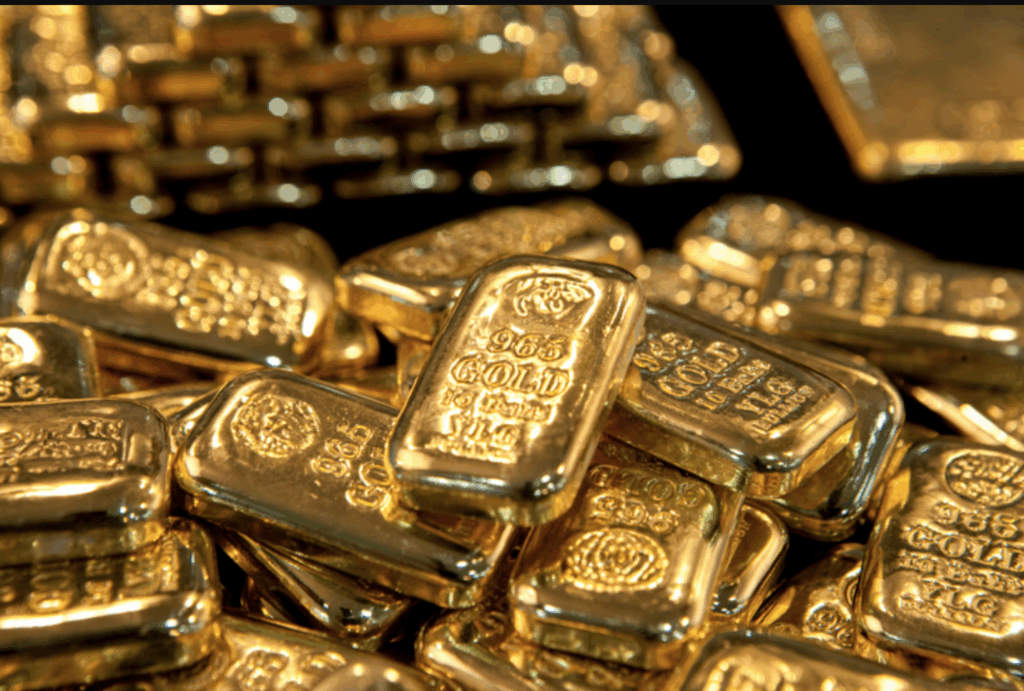
Spot gold fell as much as 2% to around $4,485.76 an ounce, while silver dropped about 3.5%. The decline came as investors reassessed expectations for US interest rates following Warsh’s remarks at the Federal Reserve’s annual Jackson Hole conference.
Warsh Sends a Strong Inflation-Fighting Message
Warsh’s speech was interpreted as significantly more hawkish than some investors had expected.
The Fed chairman said policymakers needed to be confident that underlying inflation was moving towards the central bank’s 2% objective at a sufficient pace. If that confidence is absent, he indicated that the Federal Reserve still has more work to do.
He also described short-term interest rates as the Fed’s primary tool for achieving its economic objectives, while suggesting that unconventional policies should be used sparingly outside genuine crises.
Higher Rate Expectations Pressure Gold
Gold does not generate interest or dividends, which makes it particularly sensitive to expectations surrounding interest rates.
When investors expect interest rates to remain high or rise, the opportunity cost of holding gold increases. Higher Treasury yields can therefore make interest-bearing assets more attractive compared with the precious metal.
Following Warsh’s remarks, US Treasury yields moved higher and expectations for a potential rate increase strengthened. The US dollar also gained, creating another source of pressure on gold because bullion is primarily priced in dollars.
Markets Reconsider September Rate-Cut Expectations
The Federal Reserve has kept interest rates unchanged at its recent policy meetings, while investors have been closely watching economic data for clues about the next move.
Warsh’s latest comments have complicated expectations surrounding the September meeting. Although economic indicators have shown signs of slowing, the Fed remains concerned that inflation has not moved decisively enough towards its 2% objective.
Before Warsh’s speech, markets had reduced expectations of a rate increase after weaker economic indicators. His comments prompted investors to reassess that view.
Gold Had Recently Been Near Record Levels
The latest decline comes after a strong run for gold.
Spot gold had reached more than $4,696 an ounce earlier in the week, its highest level in more than three months. The subsequent fall therefore represents a sharp reversal from the recent rally.
Despite the decline, the broader investment case for gold has not disappeared. Gold-backed exchange-traded funds have continued to attract substantial inflows, while central banks have remained important buyers of the metal.
According to the report, bullion-backed ETFs tracked by Bloomberg added more than 28 tonnes during the previous week, followed by another 20 tonnes during the current week.
Is the Gold Rally Over?
The latest sell-off does not necessarily signal the end of gold’s longer-term upward trend.
Gold continues to benefit from several structural factors, including central-bank buying, investor demand and geopolitical uncertainty. However, the market has become increasingly sensitive to US monetary policy after the precious metal’s powerful rally.
The immediate direction of prices could therefore depend heavily on upcoming US inflation, employment and economic-growth data. Any evidence that inflation remains stubbornly high could keep pressure on gold, while signs of cooling inflation could revive expectations of easier monetary policy.
Indian Gold Prices Also Face Pressure
Movements in international gold prices typically influence domestic bullion markets, although Indian prices are also affected by the rupee-dollar exchange rate, import costs, taxes and local demand.
The sharp international decline therefore creates the possibility of lower domestic gold prices, although the extent of any reduction in India will depend on currency movements and local market conditions.
For consumers, the fall could provide some relief after gold prices had climbed to exceptionally high levels.
Summary
Gold suffered its biggest drop since July after Federal Reserve Chairman Kevin Warsh delivered a hawkish message on inflation and reaffirmed the Fed’s 2% target. Spot gold fell as much as 2%, while the dollar and Treasury yields strengthened. Higher interest-rate expectations pressured the non-yielding metal, although strong ETF inflows and central-bank demand continue to support gold’s broader outlook.