Global financial giant JPMorgan Chase has warned that oil markets are approaching a potentially dangerous turning point as global crude inventories continue shrinking rapidly.
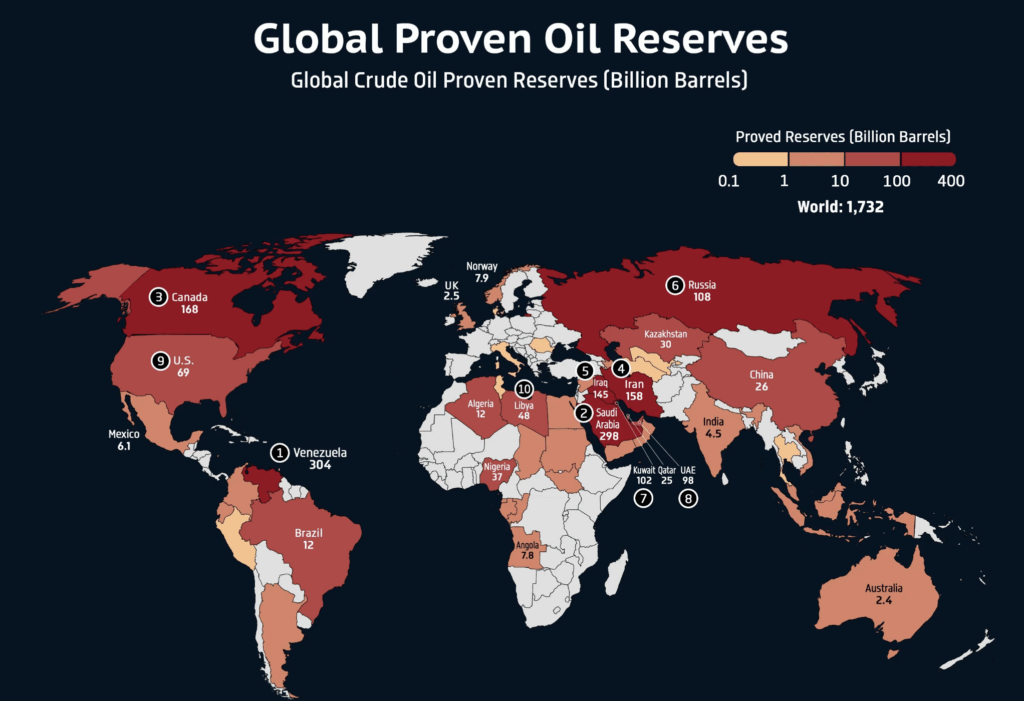
According to analysts at the investment bank, existing reserves could begin drying up by mid-June if disruptions in the Middle East — particularly around the Strait of Hormuz — continue at current levels. The warning has intensified concerns about a possible supply shock that could send oil prices soaring globally.
The latest assessment comes amid rising geopolitical tensions involving Iran and increasing uncertainty around tanker traffic in one of the world’s most critical energy corridors.
Why The Strait Of Hormuz Matters
The Strait of Hormuz is considered the world’s most important oil shipping route, with nearly 20% of global crude oil trade passing through the narrow waterway.
Any disruption in this region immediately impacts global fuel supply chains. Over the past few weeks, tanker traffic has become increasingly volatile due to regional tensions, insurance risks, shipping delays, and fears of escalation involving Iran.
While oil supplies have continued moving in limited volumes, analysts warn that the current flow is insufficient to fully stabilize inventories if the disruption continues for several more weeks.
Countries such as India, China, Japan, and South Korea remain particularly vulnerable because they depend heavily on Middle Eastern crude imports transported through Hormuz.
The Backstory: Why Markets Didn’t Panic Earlier
Interestingly, oil prices initially remained relatively stable despite rising geopolitical tensions.
Several temporary factors helped prevent an immediate crisis. China reportedly reduced energy demand during recent weeks, while strategic petroleum reserves in some countries provided short-term cushioning.
At the same time, oil exporters such as the United States increased shipments to global markets, partially offsetting supply disruptions from the Gulf region.
Many traders and governments also believed the crisis would be resolved quickly through diplomatic negotiations.
However, according to JP Morgan analysts, the situation is now entering a more dangerous phase because these temporary buffers are gradually disappearing.
Inventories Are Falling Faster Than Expected
Oil inventories act as a safety cushion during supply disruptions. Governments, refiners, and companies use stored reserves to stabilize prices and maintain supply chains during emergencies.
But those inventories are now reportedly declining faster than expected.
JP Morgan analysts believe that if tanker disruptions continue into June, global markets may suddenly realize that available spare supply is far lower than previously assumed.
That realization could trigger panic buying across global markets, where countries and energy companies aggressively rush to secure remaining supplies before prices climb even higher.
Experts describe this type of market reaction as a “non-linear spike,” where prices jump sharply within a short period rather than rising gradually.
Some analysts believe Brent crude could potentially move toward $130–150 per barrel under a prolonged disruption scenario.
What This Could Mean For India And The World
A sharp rise in crude oil prices would affect nearly every major economy.
For India, higher oil prices could increase fuel costs, transportation expenses, inflation, fertilizer prices, aviation costs, and import bills. Since India imports the majority of its crude oil requirements, prolonged price spikes could place heavy pressure on government finances and consumer spending.
Globally, expensive oil often leads to rising inflation and slower economic growth. Industries such as aviation, logistics, shipping, manufacturing, chemicals, and transportation are especially vulnerable during energy crises.
Economists also warn that central banks may struggle if inflation surges again while economic growth weakens simultaneously.
Markets Watching Every Development Closely
Global markets are now reacting almost instantly to updates involving tanker movements, military developments, diplomatic talks, and inventory data.
Even small improvements in shipping activity have temporarily eased oil prices, while new tensions immediately trigger fresh volatility.
For now, the world’s energy markets remain focused on one key question: can global supply chains stabilize before inventories fall to critically low levels?
If not, analysts believe the next few weeks could become one of the most volatile periods for global oil markets in recent years.