




The Maharashtra Food and Drug Administration (FDA) has launched a major investigation into the alleged illegal resale of expired, damaged and rejected food products. A First Information Report (FIR) has been registered against 10 people, including executives associated with Reliance Consumer Products, Reliance Retail, Blinkit and Zomato Hyperpure. The investigation has raised serious concerns about food safety, waste disposal practices and consumer protection in India’s retail and quick-commerce sectors.
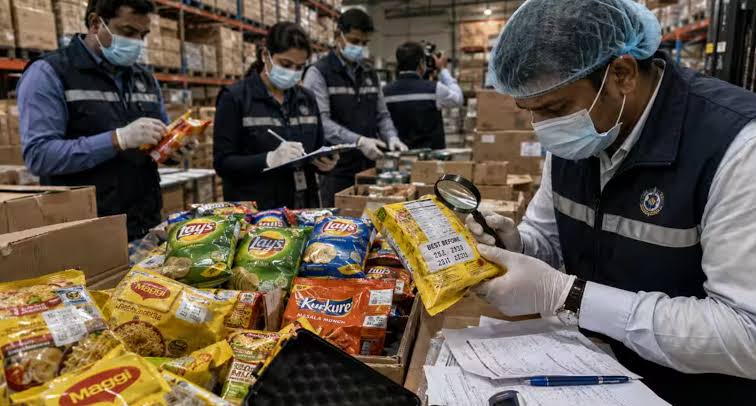
FDA Seizes Food Products Worth Over Rs 48 Lakh
The case came to light after coordinated inspections conducted across parts of Thane and Pune districts on October 14 and 15, 2026. According to officials, the FDA seized food products valued at approximately Rs 48.09 lakh during the operation.
The FIR was registered at Shanti Nagar police station in Thane under relevant provisions of the Food Safety and Standards Act, 2006, and the Bharatiya Nyaya Sanhita, 2023.
Those named in the case include officials and employees associated with Reliance Consumer Products, Reliance Retail, Blinkit Commerce and Zomato Hyperpure, along with disposal agency operators and local suppliers. The allegations remain under investigation, and the registration of an FIR does not establish guilt.
How Expired Products Allegedly Re-entered the Market
According to the preliminary investigation, expired, damaged and customer-rejected food items meant for destruction were allegedly diverted through waste-disposal contractors and unlicensed sorting yards.
Instead of being destroyed as required, some products were reportedly sorted and passed on to brokers, suppliers and local retailers. Products that appeared suitable for sale could then reach consumers despite having been marked for disposal.
Investigators also found discrepancies in disposal records, including inconsistencies in quantities and consignor-consignee details. Authorities are examining whether destruction certificates were issued without adequate verification that the products had actually been destroyed.
The alleged chain of diversion has raised questions about the effectiveness of safeguards used by large companies and their third-party disposal partners.
Reliance, Blinkit and Zomato Hyperpure Under Scrutiny
The FDA inspected warehouses and facilities associated with Reliance Consumer Products, Reliance Retail and Zomato Hyperpure, which supplies businesses and is associated with the wider quick-commerce ecosystem that includes Blinkit.
Officials reportedly found expired or damaged stock at multiple locations and sought supporting documentation for its transportation and disposal. Investigators are examining the roles of company personnel, contractors and intermediaries in the alleged diversion.
The FDA has also suspended the licences of five establishments linked to the case. Operations at four unlicensed premises were reportedly stopped as part of the enforcement action.
These measures underline the regulator’s focus on preventing unsafe products from entering the food supply chain.
Why the Investigation Matters for Consumers
Quick-commerce platforms have become an important part of urban shopping, offering groceries and packaged food within minutes. Their business models rely on extensive warehouse networks, supplier relationships and rapid inventory turnover.
The case highlights the importance of tracking expired and rejected products throughout their disposal journey. Companies must ensure that contractors follow authorised destruction procedures and maintain verifiable records.
For consumers, the allegations raise concerns about whether products marked for disposal can be diverted and sold through informal retail channels. Effective enforcement, traceable inventory systems and independent verification of destruction processes will be critical to restoring confidence.
Regulatory Action Could Have Wider Implications
The investigation could prompt retailers, consumer-goods companies and quick-commerce operators to strengthen audits of disposal agencies and tighten controls over damaged and expired inventory.
The case also illustrates why food safety responsibility extends beyond the point of sale. Manufacturers, warehouses, distributors, disposal contractors and retailers all play a role in preventing unsafe food from reaching households.
As the investigation progresses, the authorities will need to establish how the products were diverted, who was responsible and whether further enforcement action is warranted.
Summary
The Maharashtra FDA has filed an FIR against 10 people associated with Reliance, Blinkit, Zomato Hyperpure, disposal agencies and local suppliers over the alleged resale of expired and damaged food products. The agency seized stock worth Rs 48.09 lakh and suspended five establishments’ licences. Investigators are examining disposal records and an alleged diversion network that may have returned unsafe products to the market.