




The Indian government has decided to stop diverting sugarcane juice, sugar syrup and B-heavy molasses for ethanol production during the 2026-27 ethanol supply year, beginning in November 2026. The move aims to protect domestic sugar supplies and control rising retail prices amid concerns over lower sugarcane production. However, ethanol production from C-heavy molasses will remain permitted, while the government plans to continue its 20% ethanol blending programme using alternative feedstocks.
Sugar Supply Takes Priority Over Fuel Blending
The Centre’s decision comes as India faces concerns about sugar availability ahead of the festive season and the upcoming agricultural cycle. The government wants to ensure that more sugarcane-derived sugar reaches the domestic market instead of being diverted towards biofuel production.
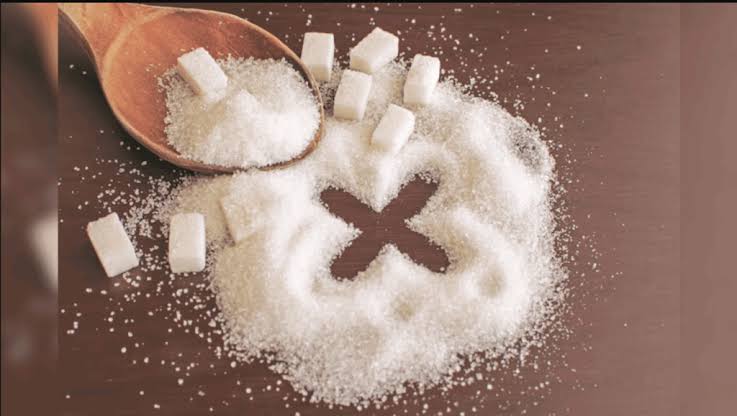
Under the new procurement tender issued to oil marketing companies (OMCs), including Indian Oil Corporation, Bharat Petroleum and Hindustan Petroleum, ethanol produced from sugarcane juice, sugar syrup and B-heavy molasses will not be eligible for procurement during the upcoming supply year.
However, C-heavy molasses, a by-product generated during sugar manufacturing, will continue to be permitted as a feedstock for ethanol production.
The decision reflects the government’s attempt to balance energy security with food availability and consumer affordability.
Why Has the Government Restricted Sugar-Based Ethanol?
Sugar prices have risen amid concerns about domestic production, reduced rainfall in important sugarcane-growing regions and the possibility of weather-related agricultural stress.
Maharashtra and Karnataka, two of India’s major sugar-producing states, face particular concerns over crop yields. The anticipated impact of El Niño conditions has added to uncertainty surrounding agricultural output.
By preventing the diversion of sugar-rich feedstocks, the government expects sugar mills to maximise sugar recovery from sugarcane. This could improve domestic availability and help moderate prices if production and market supplies remain under pressure.
The restriction also highlights the challenge of managing India’s competing priorities: reducing petroleum imports through ethanol blending while ensuring sufficient food supplies for consumers.
Ethanol Blending Programme Will Continue
Despite the restrictions, the government has not abandoned its ethanol blending programme. India achieved its target of blending 20% ethanol with petrol ahead of schedule, and the programme remains an important part of its energy strategy.
To maintain supplies, oil marketing companies will increasingly rely on ethanol produced from alternative sources, including maize, broken rice and surplus rice procured through the Food Corporation of India.
The government has also reduced the procurement price for maize-based ethanol to Rs 68.86 per litre, alongside marginal reductions in certain incentives.
The shift towards grain-based ethanol could help maintain fuel blending levels without putting additional pressure on sugar supplies. However, it may also affect the economics of grain-based distilleries and require adjustments to procurement and production planning.
Impact on Sugar Mills and Ethanol Producers
The decision presents a mixed picture for the sugar industry. Mills may benefit from recovering and selling more sugar in the domestic market, particularly if prices remain elevated. However, those that invested in facilities designed to produce ethanol from sugarcane juice or B-heavy molasses may face operational and financial challenges.
Industry representatives have welcomed the government’s focus on balancing agricultural priorities with fuel requirements. At the same time, ethanol producers have called for pricing structures that keep maize-based production commercially viable and support investments in grain-based distilleries.
What It Means for Consumers and India’s Energy Strategy
For consumers, preventing sugar diversion could improve market availability, although the impact on retail prices will depend on actual production, demand, inventories and distribution.
For India’s energy sector, the policy signals a stronger emphasis on diversifying ethanol feedstocks. Greater reliance on maize and rice may reduce pressure on sugar supplies, but it also raises questions about grain availability, agricultural resource use and production costs.
The coming supply year will test whether India can maintain its ethanol blending ambitions while protecting consumers from further sugar price increases.
Summary
The government has barred ethanol procurement from sugarcane juice, sugar syrup and B-heavy molasses for the 2026-27 supply year beginning November 2026. C-heavy molasses remains eligible. The decision aims to protect domestic sugar availability amid production concerns and rising prices. India will continue its 20% ethanol blending programme using alternatives such as maize, broken rice and surplus rice, while ethanol producers face changing procurement economics.