Like steel tracks sketching new destinies across the city, Bengaluru’s growth is now being written in lines of transit.
Metro Lines Redraw the Real Estate Map
Bengaluru’s next real estate surge is no longer driven by technology alone—it is being reshaped by expanding metro connectivity. As transit infrastructure spreads across the city, it is transforming demand patterns in office, residential, and industrial segments, particularly along emerging corridors in the south and central regions.
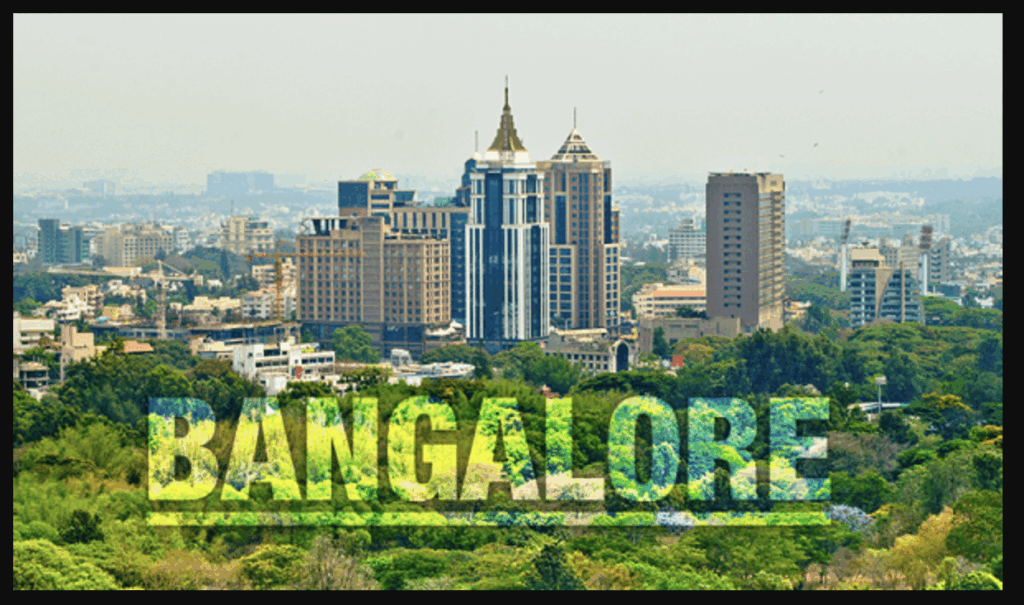
A report by Colliers highlights that Bengaluru leads globally in tech talent availability, with nearly double the workforce of the next-largest city. However, the city’s rapid expansion has often outpaced planning. Now, sustained investments in metro rail, roads, and airport infrastructure are beginning to ease congestion and unlock new growth zones.
Operational metro corridors like the Green Line (Madhavara–Silk Institute) and Purple Line (Challaghatta–Whitefield) have already boosted demand in micro-markets such as Whitefield, KR Puram, MG Road, and Indiranagar. Even peripheral hubs like Hoskote and Nelamangala are seeing increased industrial and warehousing activity due to improved access.
The recently launched Yellow Line (RV Road–Bommasandra) is strengthening South Bengaluru, especially Electronic City and Hosur Road. Meanwhile, the upcoming Pink Line (Kalena Agrahara–Nagawara), expected between 2026 and 2027, is set to reduce commute times and ease congestion in key areas like Bannerghatta Road and JP Nagar.
Rising Demand Across Homes, Offices, and Warehousing
Metro connectivity is fueling strong commercial growth, with Colliers estimating 5–7 million sq ft of Grade A office demand across CBD, SBD 2, and Electronic City over the next two years. Total stock in these areas could reach nearly 40 million sq ft by 2027, with rentals projected to rise 5–10 percent.
Flexible workspaces are also expanding, accounting for 16 percent of leasing activity, as improved transit supports hybrid work models with decentralized offices closer to residential zones.
The residential market is witnessing even sharper gains. Property prices along the Yellow Line, particularly in Electronic City, have already climbed, while areas along the upcoming Pink Line could see price increases of up to 40 percent in the coming years.
Industrial and warehousing demand is also on the rise, with 1–2 million sq ft expected across clusters like Bommasandra, Jigani, and Anekal, along with emerging hubs such as Harohalli.
Looking ahead, the proposed Blue Line, expected by 2028, could further unlock North Bengaluru and the Outer Ring Road, cementing the city’s transition into a transit-led real estate ecosystem.
As the metro hums beneath the surface, Bengaluru rises above it—faster, closer, and more connected than ever before.
Summary
Bengaluru’s real estate growth is increasingly driven by metro expansion, transforming demand across residential, commercial, and industrial sectors. Key lines like Yellow and upcoming Pink are boosting connectivity and property values, with prices rising sharply in some areas. Office demand and flexible workspaces are also growing, positioning the city as a transit-led real estate market.