The Supreme Court has suggested an unusual new mechanism to recover unpaid traffic fines in India: linking outstanding traffic challans to electricity bills.
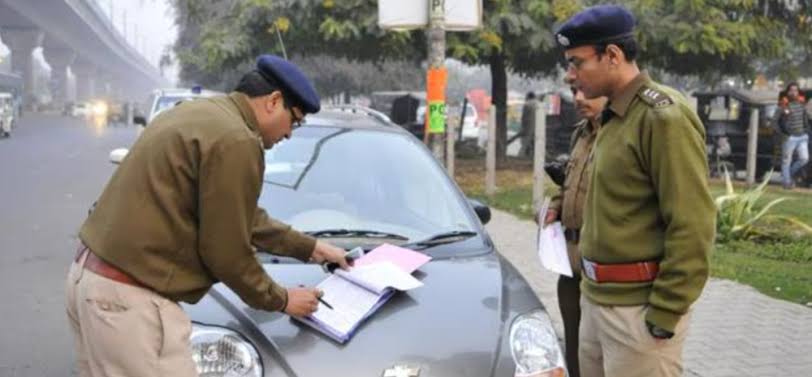
The proposal came during a hearing on the recovery of unpaid e-challans, as the court was informed that traffic fines worth around Rs 45,000 crore had been issued across states and Union Territories, with approximately Rs 25,000 crore recovered so far.
‘Add It To Electricity Dues’
A bench of Justices JB Pardiwala and KV Viswanathan questioned the effectiveness of simply issuing thousands or lakhs of e-challans when authorities struggle to recover the fines.
The court suggested that unpaid challans could potentially be added to a person’s electricity dues.
Under such a system, a person with unpaid traffic penalties could be required to clear those dues along with the electricity bill. The court suggested that continued non-payment could eventually lead to disconnection of the electricity supply.
However, this was a suggestion made during the hearing, not an order directing electricity companies to immediately start collecting traffic fines.
Rs 45,000 Crore In Challans, Rs 25,000 Crore Recovered
The court was informed that states and Union Territories have issued e-challans involving approximately Rs 45,000 crore in fines.
Around Rs 25,000 crore has reportedly been recovered, leaving roughly Rs 20,000 crore outstanding.
The figures highlighted the gap between issuing digital traffic penalties and actually collecting them from violators.
The Supreme Court said authorities need to find practical mechanisms that work at the ground level.
Vehicle Registration Could Be Blocked
The court also discussed several other possible measures against people who repeatedly fail to pay their traffic fines.
These include blacklisting vehicles with unpaid challans on the Parivahan portal and blocking ownership transfers.
Authorities could also consider withholding vehicle registration renewals, fitness certificates, duplicate registration certificates and Pollution Under Control certificates until outstanding fines are cleared.
Driving Licence Renewal Also Discussed
The bench also considered restrictions involving driving licences.
Possible measures include preventing renewal of licences associated with unpaid challans and taking action against repeat offenders.
The court additionally suggested random checks of vehicles to identify those carrying unpaid e-challans.
If a vehicle is found to have an unpaid challan, authorities could consider taking steps including impounding the vehicle.
No Immediate Electricity Bill Rule Yet
For motorists, the most important point is that the electricity-bill mechanism has not been implemented through this hearing.
The Supreme Court has suggested the idea to the government and authorities as one possible way of improving recovery.
Any actual system linking traffic penalties with electricity bills would require the relevant authorities to work out its legal, administrative and operational framework.
The court’s broader focus is on ensuring that traffic penalties are not merely generated electronically but are actually recovered.
Summary
The Supreme Court has suggested linking unpaid traffic challans to electricity bills to improve recovery of traffic fines. Authorities told the court that around Rs 45,000 crore in e-challans had been issued, with Rs 25,000 crore recovered and roughly Rs 20,000 crore still outstanding. The court also discussed blocking vehicle transfers, registration renewals, licences and other documents for persistent defaulters.