In the silent spaces where hunger meets illness, a hidden form of diabetes has long gone unnamed—until now.
Understanding a New Face of Diabetes
The International Diabetes Federation recently recognised Type 5 diabetes, a long-debated condition linked to chronic undernutrition. Yet, experts warn that millions—especially in low- and middle-income countries—may still be misdiagnosed due to limited awareness and healthcare access.
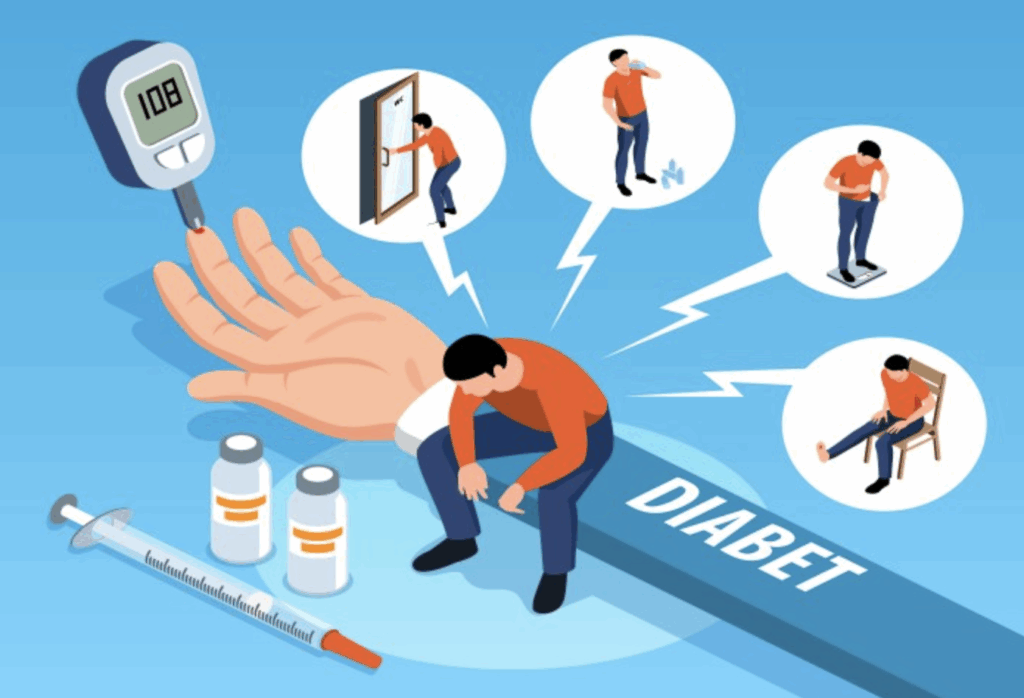
Also known as Malnutrition-related diabetes mellitus, Type 5 diabetes differs fundamentally from Type 1 Diabetes and Type 2 Diabetes. While Type 1 involves autoimmune destruction of insulin-producing cells and Type 2 is driven by insulin resistance, Type 5 stems from chronic nutritional deficiency, often during early development. Other related forms include Type 3c Diabetes and Gestational Diabetes.
What makes Type 5 distinct is its unique metabolic profile—patients exhibit impaired insulin production but little to no insulin resistance. It is most prevalent in regions across Asia and Africa where malnutrition is widespread. This atypical presentation makes it difficult to classify using traditional diagnostic frameworks, leaving many patients unidentified or incorrectly diagnosed.
Misdiagnosis, Risks, and the Urgent Need for Action
Despite formal recognition, Type 5 diabetes remains underdiagnosed. For decades, patients with its symptoms were often classified under Type 1 or Type 2 diabetes, leading to ineffective or even harmful treatments. A major reason is the lack of standardised diagnostic criteria and limited awareness among healthcare providers.
The consequences of misdiagnosis can be severe. Treatments designed for Type 2 diabetes may not work effectively, as insulin resistance is not the primary issue. In some cases, excessive insulin therapy can cause hypoglycemia—dangerously low blood sugar—particularly in individuals facing food insecurity.
Experts stress that managing Type 5 diabetes requires a tailored approach, including nutritional rehabilitation, careful insulin dosing, and consistent glucose monitoring. Without these, patients face higher risks of complications and poor health outcomes.
Growing research now supports Type 5 as a distinct condition, with evidence highlighting its unique metabolic characteristics. In response, the International Diabetes Federation has formed a dedicated working group to establish clear diagnostic and treatment guidelines. The World Health Organization is also being urged to formally adopt this classification, which could accelerate global awareness and policy action.
As diabetes cases continue to rise globally, Type 5 underscores a deeper reality—that the disease is not only shaped by genetics or lifestyle, but also by nutrition and inequality.
Until science reaches every empty plate, some diseases will remain written not just in genes, but in hunger itself.
Summary
Type 5 diabetes, recently recognised by the International Diabetes Federation, is linked to chronic undernutrition and differs from other forms due to impaired insulin production without resistance. It remains widely misdiagnosed, especially in developing regions. Incorrect treatment can be harmful, highlighting the need for better awareness, diagnostic standards, and tailored care to address this nutrition-linked global health challenge.