India’s southwest monsoon has hit a significant pause after an initially promising start, resulting in a growing rainfall deficit across large parts of the country. Weather experts and the India Meteorological Department (IMD) are closely monitoring the situation as delayed monsoon progress raises concerns over agriculture, water availability, and inflation.
The slowdown comes at a crucial time for the Kharif sowing season, when millions of farmers depend on timely and widespread rainfall for crop cultivation.
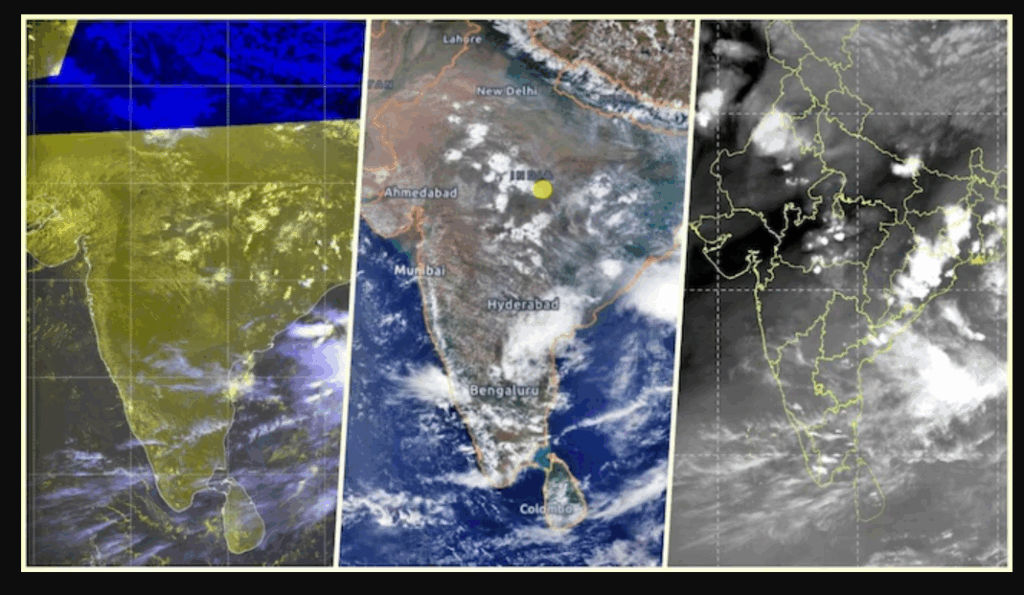
Monsoon Progress Slows Across Several Regions
According to the IMD, the southwest monsoon has stalled over many parts of central and western India, with its further advance expected only around June 23 in some regions. The delay has been attributed to weak moisture-bearing winds and the absence of strong monsoon weather systems that typically drive rainfall across the country.
While parts of northwest India have received rainfall due to western disturbances, several key agricultural regions continue to report substantial rainfall deficits. Central India has witnessed one of the sharpest shortfalls this season.
Maharashtra Among The Worst-Affected States
Maharashtra has emerged as one of the most affected states, with the monsoon yet to fully establish itself across several regions. Weather forecasts had earlier warned of below-normal rainfall across most parts of the state during the 2026 monsoon season.
The impact is already visible. Mumbai is facing water shortages due to extremely low reservoir levels, while parts of Vidarbha are reporting rainfall deficits exceeding 70 percent. Several districts have also experienced heatwave conditions as the delayed monsoon allows temperatures to remain unusually high for this time of year.
El Niño Adds To Weather Uncertainty
Meteorologists have linked part of the slowdown to developing El Niño conditions in the Pacific Ocean. Historically, El Niño events are associated with weaker monsoon rainfall in India, although experts stress that multiple atmospheric and oceanic factors influence monsoon behaviour.
The IMD has indicated that El Niño is likely to strengthen during the latter half of the monsoon season, increasing uncertainty about rainfall distribution during the critical July-August period.
Risks For Agriculture And Inflation
Agriculture remains highly dependent on monsoon rainfall, with nearly half of India’s farmland lacking reliable irrigation facilities. Delayed rainfall can affect the sowing of crops such as rice, pulses, cotton, and oilseeds, potentially impacting yields later in the season.
Economists have also warned that a weak monsoon could contribute to higher food prices and inflation if crop production is affected. Lower rural incomes and weaker consumer spending could have broader implications for economic growth.
Hope Rests On Revival Of Monsoon Activity
Despite the current pause, weather officials remain hopeful that conditions will improve in the coming weeks. Forecasts indicate the possibility of further monsoon advancement and increased rainfall activity towards the end of June.
For now, farmers, policymakers, and businesses alike are watching the skies closely, as the performance of the monsoon over the next few weeks could shape India’s agricultural output, water security, and economic outlook for the remainder of the year.
Summary:
India’s southwest monsoon has stalled after an encouraging start, leading to significant rainfall deficits across several regions. Maharashtra, central India, and parts of Vidarbha are among the worst affected. Experts cite weak monsoon systems and developing El Niño conditions as key factors. The delay is raising concerns over agriculture, water supplies, food inflation, and overall economic growth.