Mumbai could soon face stricter water rationing as water stock in the seven lakes supplying drinking water to the city has fallen below 10 percent of total capacity. The Brihanmumbai Municipal Corporation (BMC) is considering imposing an additional 10 percent cut in water supply from July if rainfall does not improve significantly in the coming days.
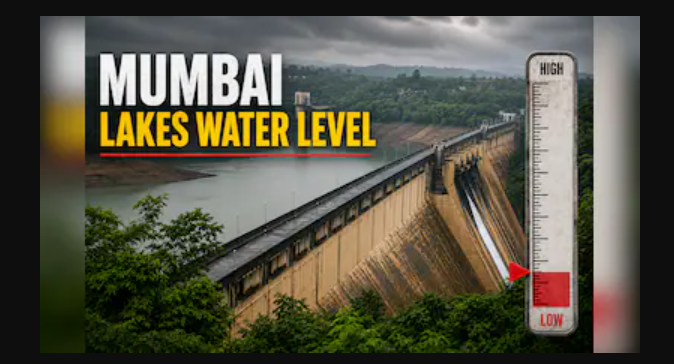
The move comes amid concerns over depleting reservoir levels and delayed monsoon inflows, raising the possibility of tighter water management measures across the city.
Water Levels Reach Critical Stage
According to BMC data, the combined water stock in the seven reservoirs supplying Mumbai has dropped to less than 10 percent of their total capacity. These lakes—Bhatsa, Upper Vaitarna, Middle Vaitarna, Modak Sagar, Tansa, Vehar, and Tulsi—serve as the primary source of drinking water for more than 1.2 crore residents.
Officials are closely monitoring water levels as the city enters a crucial phase of the monsoon season. While some rainfall has been recorded in the catchment areas, inflows have not yet reached levels required to significantly improve reservoir storage.
Additional Water Cut Under Consideration
Mumbai is already under a 10 percent water supply cut imposed earlier as a precautionary measure. With reservoir levels continuing to remain low, civic authorities are now considering an additional 10 percent reduction, which would effectively increase the overall water restriction to 20 percent.
BMC officials have indicated that a final decision will depend on rainfall received in the catchment regions over the next few weeks. If substantial inflows are recorded, the proposed additional cut may not be necessary.
Impact On Residents And Businesses
Any further reduction in water supply could affect residential societies, commercial establishments, and industrial users across Mumbai. Housing societies may be required to implement stricter water conservation measures, while businesses dependent on large quantities of water could face operational challenges.
Experts have urged citizens to adopt responsible water usage practices, including reducing wastage, repairing leaks, and promoting water recycling wherever possible.
Monsoon Rainfall Holds The Key
Historically, Mumbai’s reservoirs receive most of their annual replenishment during the southwest monsoon. The city depends heavily on sustained rainfall in the catchment areas located outside Mumbai to restore reservoir levels before the end of the monsoon season.
Weather conditions over the next few weeks will therefore play a crucial role in determining whether stricter water restrictions become necessary.
Authorities Remain Hopeful
Despite the current situation, officials remain optimistic that stronger monsoon activity could improve water storage levels in the coming weeks. BMC continues to monitor reservoir inflows daily and has assured residents that contingency plans are in place to manage water resources effectively.
For now, the city is being urged to conserve water as authorities prepare for the possibility of tighter supply controls if reservoir levels fail to recover.
Summary:
Mumbai may face an additional 10 percent water supply cut from July as water stock in the city’s seven reservoirs has fallen below 10 percent of total capacity. The BMC is monitoring monsoon inflows before making a final decision. If implemented, the move would increase overall water restrictions and affect residential, commercial, and industrial consumers across the city.